Pest issues rarely follow a predictable pattern. Some months pass quietly with no visible activity, while others suddenly bring ants, cockroaches, rodents, or mosquitoes back into homes and workplaces. This uncertainty is the main reason many property owners and business operators start considering a pest control annual contract instead of relying only on one-time treatments. The focus shifts from reacting to emergencies toward maintaining consistent protection and peace of mind throughout the year.
This article explains how a pest control annual contract works, how it differs from reactive or one-off pest treatments, and why long-term prevention often makes more sense for both residential and commercial properties. It also explores how annual contracts operate across different seasons, what value users receive even when pests are not visible, how cost structures are typically designed, how safety and low-toxicity approaches are maintained, and what transparency elements customers should expect before committing to a contract.
Table of Contents
ToggleReactive pest treatment versus proactive annual protection
Most people are introduced to pest control through a reactive situation. A cockroach appears in the kitchen, rodents are heard in the ceiling, or ants suddenly cover a work surface. A service is called, the problem is treated, and once the visible activity stops, the issue is considered resolved.
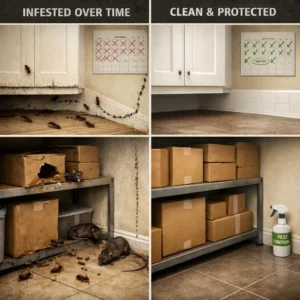
Reactive or one-time pest treatments are designed to solve an immediate problem. They are effective at reducing visible pest activity but are limited in scope. Once the treatment is completed, protection usually ends unless another service is scheduled.
A pest control annual contract works differently. Instead of waiting for pests to appear, the goal is to prevent them from establishing in the first place. The approach is proactive, planned, and ongoing, focusing on risk reduction rather than emergency response.
Key differences include:
- One-time treatments respond to active infestations
- Annual contracts focus on prevention and monitoring
- Reactive services are problem-specific
- Annual protection covers multiple pest risks over time
How a pest control annual contract works throughout the year
A pest control annual contract is structured to provide coverage across all seasons, accounting for changes in pest behavior throughout the year. Different pests become more active at different times, and a good annual plan adjusts accordingly.
Most annual contracts include:
- Scheduled routine inspections
- Preventive treatments at planned intervals
- Targeted treatment if activity is detected
- Adjustments based on seasonal pest risks
For example, warmer months may require increased focus on insects such as cockroaches, ants, mosquitoes, or flies. Cooler months may shift attention toward rodents seeking shelter. An annual contract allows these changes to be addressed without the need to book new services each time.
Why prevention matters even when pests are not visible
One of the most common questions about a pest control annual contract is its value during periods when no pests are seen. This concern usually comes from viewing pest control only as a reaction to visible problems.
Annual pest control works more like insurance. The value is not only in solving problems when they appear, but in reducing the likelihood of those problems happening at all.
Preventive value includes:
- Early detection of hidden pest activity
- Blocking entry points before infestations start
- Reducing breeding opportunities
- Maintaining treatment barriers over time
- Lowering the risk of sudden outbreaks
Even when pests are not visible, inspections and preventive measures help maintain a protected environment.
Seasonal pest behavior and contract adjustments
Pest activity changes with temperature, humidity, and environmental conditions. A pest control annual contract is designed to adapt to these shifts rather than applying the same treatment repeatedly.
Seasonal considerations may include:
- Increased insect activity during warmer months
- Higher rodent movement during cooler periods
- Moisture-related issues during humid seasons
- Outdoor pest risks around gardens or waste areas
By adjusting treatment focus throughout the year, annual contracts maintain consistent protection without unnecessary chemical use.
Comparing one-off pest services and annual contracts
Choosing between one-time pest control and an annual contract often comes down to cost perception and risk tolerance. While one-off services may seem cheaper initially, they are usually limited in coverage and duration.
A comparison highlights key differences:
| Aspect | One-Time Treatment | Annual Contract |
|---|---|---|
| Purpose | Immediate problem resolution | Long-term prevention and control |
| Coverage | Specific pest or incident | Multiple pest risks over time |
| Cost structure | Pay per visit | Planned periodic cost |
| Follow-ups | Limited or optional | Included as part of contract |
| Prevention scope | Minimal | Comprehensive and ongoing |
Over time, repeated one-off treatments can exceed the cost of an annual contract while still leaving gaps in protection.
Cost structure and pricing factors in annual contracts
A pest control annual contract does not have a single fixed price. Instead, pricing is based on several factors that reflect the level of protection required.
Common cost factors include:
- Type of property (apartment, villa, office, warehouse)
- Property size and layout
- Pest risks specific to the location
- Frequency of scheduled visits
- Inclusion of indoor and outdoor areas
Rather than paying separately for each incident, an annual contract spreads cost over time and includes preventive inspections, routine treatments, and response visits if pests appear.
Guarantees, coverage limits, and realistic expectations
Annual pest control contracts are designed to reduce risk, not to promise that pests will never appear. Ethical providers explain what the contract covers and what it does not.
Realistic expectations include:
- Reduced likelihood of infestations
- Faster response when activity is detected
- Defined coverage for specific pest types
- Clear terms for additional treatments if needed
Understanding these boundaries helps avoid misunderstandings and ensures the contract delivers real value.
Safety standards and treatment approaches in annual plans
One advantage of a pest control annual contract is consistency. The same provider becomes familiar with the property, allowing treatments to be applied more precisely and safely over time.
Safety-focused approaches often include:
- Low-toxicity or reduced-odor products where possible
- Integrated pest management techniques
- Targeted application instead of broad spraying
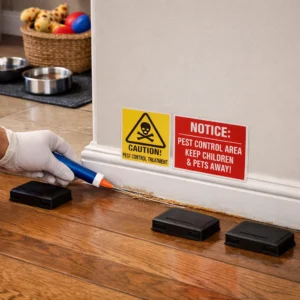
- Clear preparation and re-entry instructions
This consistency reduces unnecessary chemical exposure for families, employees, and pets.
Consistency of technician visits and service quality
With an annual contract, technician visits follow a schedule rather than being rushed responses to emergencies. This allows for better planning, documentation, and follow-through.
Benefits of consistent service include:
- Better understanding of property-specific risks
- Accurate tracking of pest activity trends
- Improved treatment effectiveness over time
- Clear communication and reporting after each visit
Transparency elements in a pest control annual contract
Before committing to a pest control annual contract, transparency is essential. Customers should clearly understand what they are agreeing to.
Important contract elements include:
- Service frequency and visit schedule
- List of pests covered under the contract
- Warranty or retreatment terms
- Cancellation or renewal conditions
- Reporting or documentation after each visit
Clear documentation helps property owners track service history and compliance.
The role of seasonal checklists in year-round protection
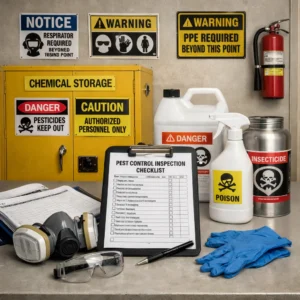
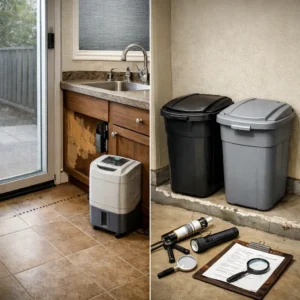
Many annual contracts include seasonal checklists to ensure no critical areas are overlooked. These checklists guide inspections and preventive actions based on the time of year.
Seasonal checklists may focus on:
- Entry points and sealing during cooler months
- Moisture control during humid periods
- Outdoor risk areas during warmer seasons
- Waste management and storage practices
This structured approach keeps pest control proactive and organized.
A practical perspective on choosing annual protection
A pest control annual contract is not just for severe infestations. It is often chosen by property owners who want predictability, reduced risk, and long-term protection rather than reacting to emergencies.
For homes, it provides comfort and peace of mind. For businesses, it supports hygiene standards, operational continuity, and compliance.
A natural next step if long-term protection is the goal
Pest problems often return when only treated once and forgotten. A pest control annual contract offers a structured way to stay ahead of risks through inspection, prevention, and timely response.
First Station Pest Control Services offers annual pest control contracts designed around property needs, seasonal risks, and transparent terms. For those considering long-term protection, using the WhatsApp or Call button at the top of the page allows a calm discussion about coverage options, service frequency, and suitability without pressure.
Conclusion
A pest control annual contract shifts pest management from reaction to prevention. By understanding how annual protection works, what value it provides even when pests are not visible, how costs are structured, and what transparency to expect, homes and businesses can make informed decisions that support long-term safety and peace of mind.