When dealing with an ant infestation, it’s essential to understand which type of ants you’re facing. While ants might seem harmless at first, certain species can cause significant damage or pose health risks. This guide explores how to identify the most common types of ants, why controlling ants goes beyond just killing them, and how to manage infestations effectively through baits, sealing, and smart prevention techniques.
Table of Contents
ToggleIdentifying Different Types of Ants
Understanding which species of ant you’re dealing with is critical for choosing the correct pest control method. There are three main types of ants commonly found in households: Carpenter ants, Odorous House ants, and Pharaoh ants. Each type has distinct characteristics that help in identification and treatment.
1. Carpenter Ants
Carpenter ants are large, usually black or reddish in color, and often mistaken for termites because they cause similar damage. Unlike termites, they don’t eat wood; they hollow it out to create their nests. You may find these ants near wooden structures, especially in damp or decaying wood.
Visual cues: Large, dark-colored ants, about 1/2 to 5/8 inches long, often seen near wooden structures.
Where they hide: They prefer areas with damp wood, often nesting in beams, window sills, or areas with water damage.
2. Odorous House Ants
Odorous House ants are small, brown to black in color, and have a distinctive odor when crushed. These ants are typically attracted to sugary food sources, making them a frequent visitor in kitchens and pantries.
Visual cues: Small, about 1/8 inch long, and dark brown or black. They often leave a trail of ants and are known for the “rotten coconut” smell when crushed.
Where they hide: They tend to nest in walls, under floors, or in decaying wood, and they often invade homes in search of food.
3. Pharaoh Ants
Pharaoh ants are one of the most difficult species to control because they live in large colonies and can have multiple queens. They are tiny and light yellow to red with darker markings on their abdomen. Pharaoh ants can spread disease because they are known to infest hospitals and other high-risk areas.
Visual cues: Tiny, about 1/16 inch long, yellow to light brown with darker abdomens.
Where they hide: They are often found in cracks, crevices, and behind appliances, particularly in warm, humid environments like kitchens and bathrooms.
Why Killing Individual Ants Doesn’t Solve the Problem
One of the biggest misconceptions about ant infestations is that killing the ants you see solves the issue. In reality, this approach merely addresses the visible problem, leaving the root cause untouched. Ants operate on a sophisticated system of pheromone trails that they use to communicate with the rest of the colony.
When you kill individual ants, you’re not tackling the source—you’re only eliminating a small fraction of the infestation. Ants will continue to follow their pheromone trails, and more ants will take their place. This is why controlling the source of the problem is crucial.
Debunking Ant Control Myths
1. “Ants are only found in dirty houses”
Many people believe that ants only infest dirty homes or places with poor hygiene. While cleanliness can certainly attract ants by offering food and water sources, ants can invade even the cleanest homes. The truth is, ants are opportunistic creatures and will enter homes in search of food, water, or shelter, regardless of cleanliness.
2. “Killing the ants is all I need to do”
As mentioned earlier, simply killing visible ants won’t get to the heart of the infestation. Effective pest control requires understanding the colony, its entry points, and its nesting areas. The correct method is to eliminate the colony, which means targeting their nests and breeding grounds.
The Trojan Horse Method: Using Bait Instead of Sprays
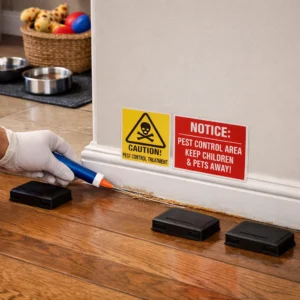
One of the most effective ways to handle an ant infestation is using the Trojan Horse Method. This technique involves using ant bait rather than spraying insecticide directly on the ants. Bait works by attracting ants to a food source that contains poison, which they then take back to the colony, ultimately killing the queen and the rest of the colony.
How to Effectively Use Ant Bait
When using ant bait, patience is key. Ants will take the bait back to the colony, and it might take several days to see noticeable results. Here are some important tips to get the most out of bait:
- Place the bait in areas where ants are frequently seen, such as along walls, behind appliances, or near food sources.
- Do not disturb the ants or clean the area around the bait. Cleaning can disrupt their trail and prevent the ants from returning to the bait.
- Use multiple bait stations if the infestation is widespread.
It’s important to understand that it might look like the situation is getting worse before it improves. As ants carry the bait back to the colony, more ants may appear, but the population will ultimately be reduced.
Setting Realistic Expectations for Ant Control
Ant control doesn’t provide instant results. Unlike sprays that kill ants on contact, bait works over time to eliminate the colony. This means that while you may see more ants initially, the situation will improve as the colony begins to die off.
Be patient, and continue to monitor the bait stations. It may take several days for the full effect of the bait to be realized. If the problem persists, it may be time to call in a professional pest control service to inspect your home for nests or breeding grounds that are hard to reach on your own.
Advanced Prevention Strategies
Once you’ve dealt with the immediate problem, prevention becomes the key to avoiding future infestations. There are several advanced strategies to ensure that ants don’t return:
1. Seal Entry Points
Ants can find the tiniest entry points to gain access to your home. Check windows, doors, cracks, and gaps around pipes. Sealing these points with caulk or weatherstripping can prevent ants from entering in the first place.
2. Trim Branches and Vegetation
Ants use tree branches and shrubs to gain access to your home, so trimming branches that touch the house or roofline can significantly reduce the chances of ants getting inside.
3. Use Dish Soap to Erase Pheromone Trails
Ants use pheromone trails to communicate and find their way back to food sources. You can disrupt this process by using simple dish soap and water. Spray it on the trails or areas where ants are traveling, and wipe it away to erase their scent markers.
4. Clean Frequently
Ants are attracted to food, especially sugary items and grease. Regularly cleaning countertops, floors, and behind appliances will remove food traces and reduce the chances of attracting ants back into your home.
5. Keep Your Home Dry
Moisture attracts ants, especially carpenter ants. Fix any leaks, wipe down moisture-prone areas, and use dehumidifiers to keep your home dry.
When to Call a Professional for Ant Pest Control
If the infestation persists or if you can’t locate the source, it’s time to contact a pest control expert. A professional will be able to assess the situation, identify the species, locate the nest, and apply more targeted treatments such as colony elimination or barrier treatments.
Here’s when professional help is the better choice:
- You see ants repeatedly even after applying bait or spraying
- The problem involves multiple rooms or multiple species of ants
- Health concerns, such as allergic reactions to bites, arise
- Structural damage is suspected (e.g., carpenter ants)
Professionals will have access to stronger treatments, the ability to identify nests in hard-to-reach places, and the knowledge to prevent future infestations effectively.
Conclusion
Controlling ants isn’t about killing the ones you see—it’s about managing the infestation at the colony level. By using baits, sealing entry points, and taking preventive actions, you can effectively handle ant problems at home. For severe infestations or situations where DIY methods don’t work, professional pest control services are the safest and most effective solution. Be patient with the process and realistic about your expectations, as eliminating an ant colony takes time and careful planning.