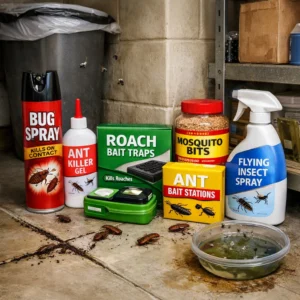
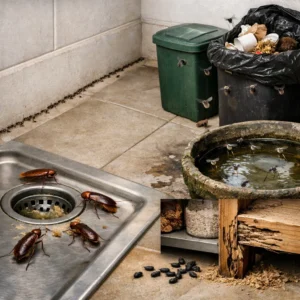
Dealing with pest control at home can be overwhelming when pests start invading your space. Whether you’re noticing pests like ants or cockroaches, or finding droppings from rodents, identifying the problem early is crucial. This guide will help you not only identify the pests but also give you practical steps you can take right away for temporary relief, and when it’s time to call in professional pest control services. We’ll also walk through simple DIY methods, the safest non-toxic pest control techniques, and ongoing maintenance tips to ensure pests stay away in the future.
Table of Contents
ToggleIdentifying the Pest Problem at Home
The first step in controlling pests is accurately identifying the pest. Different pests leave behind specific signs that can help you figure out what you’re dealing with. Below are some common pests, their signs, and what attracted them:
Cockroaches
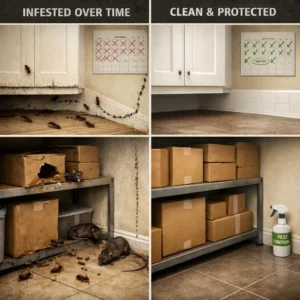
Signs: Small dark droppings, foul odor, and a greasy smear trail. Cockroaches tend to hide in dark, moist places like kitchens and bathrooms.
What attracts them: Food scraps, moisture, and warmth. They can enter your home through cracks or plumbing pipes.
Ants
Signs: Visible trails of ants, especially around food or water sources.
What attracts them: Sweet or greasy foods, and often water, especially in humid areas.
Rodents (Mice/Rats)
Signs: Droppings, gnaw marks, visible nests (often behind furniture or in hidden corners), and sounds at night.
What attracts them: Food, water, and shelter. They often enter through small holes or cracks in the building.
Bed Bugs
Signs: Small blood stains on sheets, bed bug bites (red and itchy), and sometimes tiny, dark spots on furniture.
What attracts them: Human blood. They often hide in mattress seams, box springs, and cracks in furniture.
Termites
Signs: Hollow wood, termite wings near entry points, and visible tunnels on wood surfaces.
What attracts them: Moisture and wood. They are often found in warm, humid environments with wooden structures or furniture.
Quick Wins for Immediate Pest Control
Once you’ve identified the pest problem, there are a few quick wins you can implement to get some immediate relief while preparing for a more long-term solution.
5-Minute Sweep
- Wipe Down Surfaces: Clean counters, tables, and floors with soapy water or an all-purpose cleaner to remove crumbs and sticky substances that might attract pests.
- Seal Food Containers: Make sure all food is sealed properly, especially sugary snacks and leftovers. Ants and rodents are attracted to food residue, so sealing containers will discourage them from coming back.
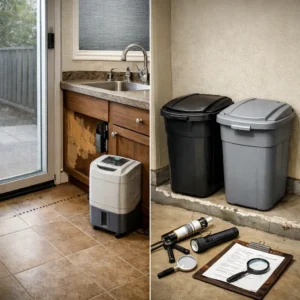
- Empty Trash Cans: Pests are attracted to garbage, so regularly empty trash bins and sanitize them with disinfectant.
Simple DIY Repellents
For a more temporary solution, DIY repellents can help keep pests at bay. These remedies use natural ingredients and are safe for households with pets or children.
- Peppermint Oil: Ants and spiders dislike peppermint oil. Mix a few drops of peppermint oil with water in a spray bottle and spray it around entry points like windows, doors, and cracks.
- Soapy Water: A simple solution of dish soap and water can kill many soft-bodied pests like aphids or spiders on contact.
- Vinegar: Vinegar can help deter ants and fruit flies. Mix vinegar and water in a spray bottle and use it to clean surfaces or spray around entryways.
Safety Considerations
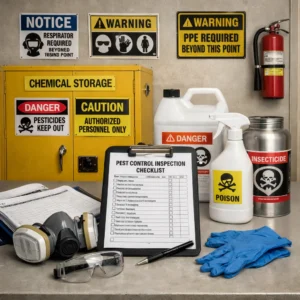
When applying any type of pest control, safety should always be a priority. If using DIY chemical methods or professional pesticides, make sure to use the proper personal protective equipment (PPE). This includes:
- Gloves to prevent direct contact with chemicals
- Face masks to avoid inhaling fumes
- Protective eyewear to prevent chemicals from getting into your eyes
For non-toxic methods, like peppermint oil or vinegar, always ensure good ventilation to avoid inhaling strong fumes for long periods.
When Should DIY Stop and Professional Help Be Called?
There are cases where DIY solutions simply won’t be enough. If the pest problem continues to escalate or becomes unmanageable, professional help is necessary. Here are some indicators that it’s time to call in an expert:
- Bed Bugs: If you see bites or notice bloodstains on your sheets, it’s likely time to call a professional. Bed bugs are notoriously difficult to get rid of with DIY methods alone.
- Structural Damage: If you see visible damage to your home (such as wood that feels hollow or crumbling) from termites, it’s time for a professional to assess the damage and treat the problem.
- Repeated Infestations: If pests keep returning despite your best DIY efforts, this means you’re likely not addressing the root cause, which a professional pest control service can pinpoint.
Different Types of Pest Control Solutions
Mechanical (Prevention)
Prevention is the first step in pest control. This includes methods like sealing cracks, installing screens, and removing conditions that attract pests. By using these simple steps, you can reduce the chances of pests entering or thriving inside your home.
Natural (Low Infestations)
For low-level infestations, natural pest control options such as essential oils, traps, and other home remedies can help. These methods are non-toxic and often safe for families and pets. However, they may require more frequent application and may not be as effective for large infestations.
Chemical (Targeted Strikes)
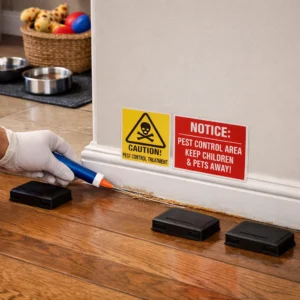
For more severe infestations, chemical treatments are often necessary. Professionals use targeted sprays, baits, and treatments that are designed to eliminate pests quickly and prevent recurrence. While effective, these methods should always be handled with care, especially in homes with children or pets.
When calling a professional pest control service, they will assess your situation and determine the best approach, whether it’s mechanical, natural, or chemical control methods.
Ongoing Maintenance to Prevent Future Infestations
Once you’ve dealt with a pest problem, it’s essential to keep your home pest-free in the long run. This involves regular maintenance and awareness of conditions that invite pests.
Seasonal Checklist
Pests behave differently throughout the year, so it’s important to adapt your maintenance routine based on the season. Here’s a general seasonal checklist:
- Winter: Seal cracks and check for rodents trying to enter the home for warmth.
- Spring: Inspect for termite damage as they begin swarming.
- Summer: Regularly clean trash cans, and check for mosquitoes around water sources.
- Fall: Prepare for winter pests by cleaning gutters and sealing gaps in windows and doors.
Landscaping Tips
Landscaping can also play a crucial role in preventing pests. Keeping bushes trimmed, removing fallen leaves, and avoiding water accumulation in yards can reduce the attraction for many pests.
Conclusion
Pest control at home is an ongoing process that requires vigilance, preventive measures, and professional help when needed. From simple DIY fixes to when it’s time to call a professional, this guide has provided the information necessary to keep pests at bay while ensuring your home remains safe for everyone. Regular maintenance, quick action, and choosing the right solutions will help you effectively manage any pest problems that arise, keeping your home and family safe in the long term.