A pest control cleaning company is often needed at a moment when a home or workplace does not just feel uncomfortable, but unsafe or unsettled. After an infestation—whether it involved insects, rodents, or hidden biohazards—the problem is rarely solved by pest removal alone. What many people truly need is a full reset: removing pests, cleaning what they leave behind, and restoring a sense of hygiene, safety, and peace of mind.
This article explains what a pest control cleaning company actually does, why safety-first protocols matter, how cleaning agents differ from pesticides, how residues and biohazards are handled, and why sanitization after an infestation is essential. It also covers the benefits of an integrated pest control and cleaning approach, what transparent processes look like, how pricing is typically structured, and what practical steps help prevent problems from returning. The goal is not to judge, but to help you understand how professional support can make a space feel livable again.
Table of Contents
ToggleWhy cleaning is just as important as pest removal
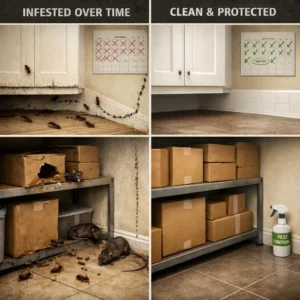
When pests are present, they leave more behind than what the eye can see. Even after insects or rodents are removed, invisible traces often remain. These traces can continue to attract pests, affect indoor air quality, or create health risks if not addressed properly.
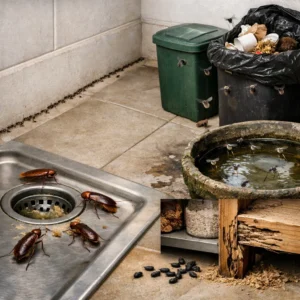
Common post-infestation issues include:
- Droppings, urine, or shed skins in hidden areas
- Pheromone trails that guide insects back to food sources
- Bacteria and pathogens on surfaces
- Contaminated dust in vents or storage spaces
- Odors that signal nesting or decay
A pest control cleaning company focuses on eliminating these remnants, not just the pests themselves. This is why sanitization is a critical part of recovery after an infestation.
Safety-first protocols: cleaning agents versus pesticides
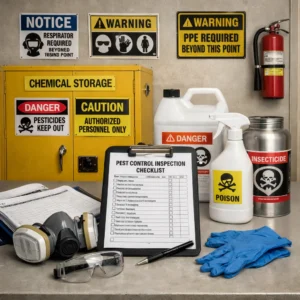
One of the most common concerns after pest activity is safety—especially for families, children, employees, and pets. Understanding the difference between cleaning agents and pesticides helps explain how professionals manage risks responsibly.
Cleaning agents
Cleaning agents are designed to remove dirt, grease, bacteria, and organic residue from surfaces. In post-infestation cleaning, they are used to:
- Sanitize contaminated surfaces
- Remove pest droppings and residue
- Neutralize odors
- Reduce allergens and airborne particles
Professional-grade cleaning products are selected for effectiveness and controlled use, often with low odor and minimal residue.
Pesticides
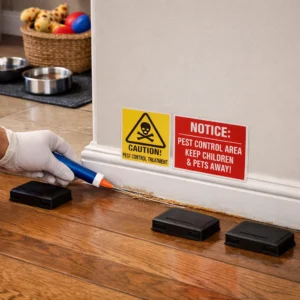
Pesticides are used to control or eliminate pests. They are applied in targeted ways based on pest type, infestation level, and environment. A responsible pest control cleaning company ensures that pesticides and cleaning agents are never mixed improperly and that each step follows a clear safety sequence.
This separation of roles—first controlling pests, then cleaning and sanitizing—is a key part of safety-first service design.
How residue, pheromone trails, and biohazards are handled
Many infestations persist or return because residues are left behind. Even when pests are removed, chemical signals and organic waste can continue to attract new activity.
Professional post-infestation cleaning focuses on:
- Pheromone trail removal: Insects like ants and cockroaches rely on chemical trails. Cleaning these areas breaks the navigation path.
- Biohazard containment: Rodent droppings, urine, and nesting material are handled using protective equipment and controlled disposal methods.
- Surface sanitization: Kitchens, bathrooms, storage areas, and frequently touched surfaces are disinfected.
- Hidden area cleaning: Behind appliances, inside cabinets, under sinks, and in utility spaces where pests often hide.
This level of detail is difficult to achieve with basic household cleaning, especially when contamination is not immediately visible.
Why sanitization matters after an infestation
Sanitization is not about making a space look clean—it is about making it safe again. After an infestation, surfaces may carry bacteria, allergens, or pathogens that are not removed by regular wiping or vacuuming.
Sanitization helps to:
- Reduce health risks from bacteria and allergens
- Improve indoor air quality
- Remove lingering odors associated with pests
- Restore confidence in using the space
For many people, this step is what transforms a stressful experience into a sense of closure and relief.
The advantage of an integrated pest control and cleaning approach
Hiring separate pest control and cleaning services may seem logical, but it often creates gaps in responsibility and efficiency. An integrated approach offered by a pest control cleaning company addresses the problem as a whole.
Key advantages include:
- Single coordinated visit: Pest control and cleaning follow a planned sequence.
- No duplicated effort: Technicians understand what areas were treated and what needs cleaning.
- Deeper coverage: Hidden spaces are treated and cleaned together.
- Clear accountability: One team oversees the full process.
This approach reduces disruption, saves time, and increases the likelihood of long-term success.
Deep cleaning of hidden areas that attract pests
Pests rarely live in open spaces. They prefer dark, warm, and undisturbed areas that are often overlooked during routine cleaning.
A pest control cleaning company typically focuses on:
- Behind and under kitchen appliances
- Inside cabinets and drawers
- Under sinks and around plumbing
- Storage rooms and closets
- Utility areas and service shafts
By addressing these zones, the service removes conditions that make a space attractive to pests in the first place.
What process transparency looks like
Transparency is essential when someone allows professionals into their home or workplace. A reputable pest control cleaning company explains what will happen at every stage.
Before the service
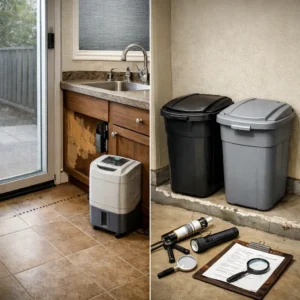
- Initial inspection to assess pest activity and contamination
- Explanation of the scope of pest control and cleaning
- Preparation instructions for occupants
During the service
- Controlled pest treatment in affected areas
- Cleaning and sanitization using appropriate products
- Protective measures for furniture and sensitive items
After the service
- Walkthrough or summary of completed work
- Guidance on re-entry and ventilation
- Prevention and maintenance advice
Some companies also provide checklists or before-and-after visuals to help clients understand the impact of the service.
Pricing transparency: what affects cost
Pricing for a pest control cleaning company varies based on several factors. Rather than fixed prices, most services provide quotes after understanding the situation.
Common cost factors include:
- Type of pest involved
- Size of the affected area
- Level of contamination
- Number of rooms or zones requiring cleaning
- Access difficulty and safety requirements
Quotes are usually provided after inspection so that the scope is clear and there are no surprises. Transparent providers explain what is included and what is optional.
Addressing emotional concerns without judgment
Experiencing an infestation can feel embarrassing or overwhelming. Many people worry about being judged for their living conditions, even when pests are caused by factors beyond their control.
A professional pest control cleaning company approaches each situation with respect and discretion. The focus is not on blame, but on restoring safety and comfort. Framing the service as a home or workplace “reset” helps clients move forward without stigma.
Post-service education to prevent recurrence
Education is a key part of long-term success. After cleaning and pest control, clients benefit from simple guidance that supports prevention.
This may include:
- Seasonal cleaning routines
- Safe product recommendations for daily use
- Moisture and waste management tips
- Storage and organization advice
- Early warning signs of returning pests
Small adjustments can make a significant difference in reducing future risk.
FAQ: common questions after an infestation
Is it safe to stay in the space after treatment?
In most cases, yes. Professionals provide clear guidance on re-entry times and ventilation based on the products used.
Will cleaning remove all pest-related odors?
Targeted cleaning and sanitization significantly reduce odors, especially when hidden sources are addressed.
Can pests return after cleaning?
Cleaning reduces risk, but prevention depends on maintenance and environmental factors. Follow-up guidance helps minimize recurrence.
Is professional cleaning necessary if pests are gone?
Yes, because residues and biohazards may remain even when pests are no longer visible.
Is this service suitable for offices and businesses?
Yes. Integrated pest control and cleaning is especially valuable in workplaces where hygiene and reputation matter.
Conclusion
A pest control cleaning company provides more than pest removal—it offers a structured, safety-first way to restore hygiene, comfort, and confidence after an infestation. By combining pest control with deep cleaning, transparent processes, and practical education, these services help spaces truly recover and reduce the chance of future problems.