A pest control engineer is often misunderstood as simply a more technical name for an exterminator. In reality, the role goes far beyond eliminating visible pests. A pest control engineer focuses on understanding how infestations start, how they spread, and how entire environments can be designed or adjusted to prevent pests from returning. This approach treats pest problems as systems to be analyzed and managed, not just symptoms to be removed.
This article explains what distinguishes a pest control engineer from traditional extermination services, explores the technical foundations behind the profession, describes real-world responsibilities and diagnostic workflows, outlines the professional pathway and career development, discusses compensation and pricing structures without listing exact figures, and looks ahead to modern tools and future trends shaping the industry.
Table of Contents
TogglePest control engineer versus traditional exterminator
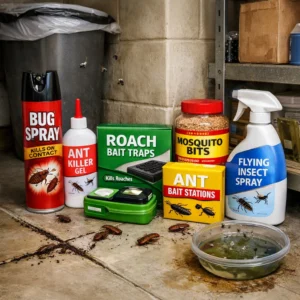
The most important distinction between a pest control engineer and a traditional exterminator lies in how problems are approached. Traditional extermination typically focuses on eliminating pests that are currently visible. While this can provide short-term relief, it often does not address why the infestation occurred in the first place.
A pest control engineer takes a system-based view. Instead of asking only “how do we kill the pests,” the engineer asks:
- Where did the infestation originate?
- What environmental conditions support pest survival?
- How do pests move through the structure?
- What changes can prevent recurrence?
This difference is similar to treating symptoms versus diagnosing and managing a disease. Extermination removes the immediate problem; pest control engineering aims to prevent the problem from returning.
Integrated Pest Management as the core philosophy
Most pest control engineers operate using Integrated Pest Management (IPM) principles. IPM is a structured framework that combines multiple control strategies rather than relying on chemical treatment alone.
Key components of IPM include:
- Monitoring pest activity over time
- Identifying pest species accurately
- Understanding pest life cycles and behavior
- Reducing environmental factors that attract pests
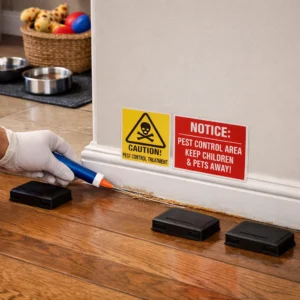
- Using chemical treatments only when necessary
By applying IPM, a pest control engineer can reduce chemical usage, improve safety, and achieve more sustainable results.
Technical foundations of the pest control engineer role
The work of a pest control engineer is grounded in technical knowledge drawn from biology, chemistry, environmental science, and building systems. This technical foundation allows engineers to analyze infestations scientifically rather than relying on trial-and-error methods.
Pest biology and life cycles
Understanding pest biology is essential. Different pests reproduce at different rates, respond to environmental conditions differently, and require distinct control strategies.
A pest control engineer studies:
- Reproductive cycles and growth rates
- Preferred habitats and nesting behavior
- Feeding patterns and food preferences
- Seasonal activity changes
This knowledge helps predict how quickly an infestation can grow and where intervention will be most effective.
Behavior patterns and movement analysis
Pests do not move randomly. They follow predictable paths influenced by temperature, moisture, food availability, and structural design.
Pest control engineers analyze:
- Entry and exit points
- Travel routes through walls and ceilings
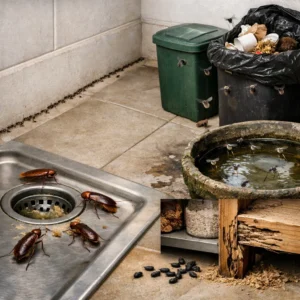
- Attraction points such as waste or moisture
- Interaction between different pest species
By mapping these patterns, engineers can target control measures precisely.
Treatment chemistry concepts
While pest control engineers do not need to be chemists, they must understand treatment chemistry concepts well enough to apply products safely and effectively.
This includes knowledge of:
- Active ingredients and their modes of action
- Residual versus non-residual treatments
- Resistance development in pest populations
- Environmental and health impact considerations
Proper chemical understanding helps engineers avoid overuse and reduce long-term resistance issues.
Analyzing and predicting infestation growth
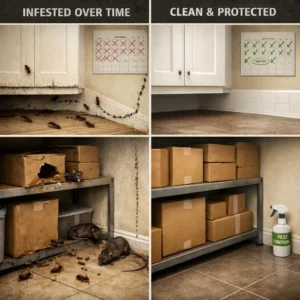
One of the defining skills of a pest control engineer is the ability to assess how an infestation may evolve if left untreated. This involves combining biological knowledge with environmental data.
Engineers evaluate:
- Current infestation size and distribution
- Availability of food and water sources
- Structural features that facilitate spread
- Human activity patterns within the space
Based on this analysis, the engineer can predict whether the infestation is likely to remain localized or expand rapidly, allowing for proactive intervention.
Real-world responsibilities of a pest control engineer
In practice, the work of a pest control engineer involves much more than on-site treatment. The role includes planning, diagnosis, communication, and long-term monitoring.
Diagnostic workflows
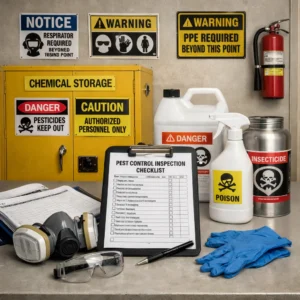
Diagnostic workflows are structured processes used to assess pest problems accurately. A typical workflow may include:
- Initial consultation and data gathering
- Site inspection and pest identification
- Environmental and structural assessment
- Risk evaluation for occupants and operations
- Design of a tailored control plan
This systematic approach ensures that no critical factors are overlooked.
Complex case scenarios
Pest control engineers often handle complex cases where standard treatment methods fail. Examples include:
- Recurring infestations in multi-unit buildings
- Pest issues in healthcare or food-processing facilities
- Resistance to common treatment products
- Simultaneous presence of multiple pest species
In these situations, engineers may redesign sanitation processes, recommend structural changes, or implement long-term monitoring systems.
Communication and documentation
A key responsibility of a pest control engineer is clear communication. Clients, facility managers, and regulators all need to understand what is happening and why specific actions are recommended.
This often involves:
- Explaining findings in non-technical language
- Documenting inspection results and treatment plans
- Providing preventive guidelines
- Maintaining records for compliance purposes
Strong communication builds trust and improves long-term outcomes.
Professional pathway and required qualifications
Becoming a pest control engineer typically requires more training and specialization than entry-level pest control roles.
Certifications and licensing
Most regions require pest control engineers to hold specific certifications or licenses. These credentials demonstrate knowledge of safety regulations, treatment methods, and ethical practices.
Common certification areas include:
- Pest identification and biology
- Chemical handling and safety
- Integrated Pest Management principles
- Regulatory compliance
Core skills and competencies
Beyond formal qualifications, successful pest control engineers develop a range of practical skills:
- Analytical thinking and problem-solving
- Attention to detail during inspections
- Clear written and verbal communication
- Adaptability in complex environments
These skills allow engineers to tailor solutions rather than rely on generic treatments.
Career progression
Career paths for pest control engineers may include:
- Senior technical specialist roles
- Consulting and advisory positions
- Training and certification instruction
- Management or operations leadership
As experience grows, engineers often move toward strategic planning and system design rather than daily treatment work.
Compensation and pricing structures explained
Compensation for pest control engineers reflects their technical expertise and responsibility level. Rather than being paid solely for treatment visits, engineers are often compensated for analysis, planning, and long-term management.
From a service perspective, pricing structures associated with pest control engineering typically consider:
- Complexity of the infestation
- Size and type of the property
- Duration of monitoring and follow-up
- Level of customization required
Instead of fixed figures, pricing is usually presented as structured service tiers or project-based agreements. This reflects the value of system design and ongoing control rather than one-time interventions.
Modern tools used by pest control engineers
Advancements in technology are changing how pest control engineers work. Modern tools allow for more precise monitoring, data collection, and analysis.
Sensors and monitoring devices
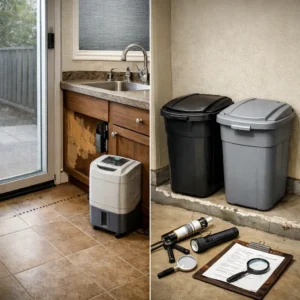
Sensors can detect pest activity, temperature, and humidity levels. This data helps engineers identify trends and intervene before infestations become severe.
Data-driven monitoring
Digital record-keeping and data analysis allow engineers to track pest activity over time. Patterns can be identified and addressed proactively.
AI-assisted identification
Artificial intelligence tools are increasingly used to identify pest species through images or sensor data. This improves accuracy and speeds up diagnosis.
Eco-sustainable control methods
Modern pest control engineering emphasizes sustainability. Engineers explore methods that reduce chemical reliance, such as physical barriers, biological controls, and environmental modification.
Future trends in pest control engineering
The role of the pest control engineer is evolving. Future trends are likely to include:
- Greater use of predictive analytics
- Integration with smart building systems
- Expanded use of non-toxic control methods
- Stronger regulatory emphasis on sustainability
These developments will further distinguish pest control engineering as a technical and strategic profession.
Interactive elements for deeper understanding
To help property owners and facility managers better understand pest control engineering, interactive tools can be useful. These may include:
- Self-assessment checklists for infestation risk
- Decision trees for treatment selection
- Educational quizzes on pest identification
Such tools encourage proactive engagement and informed decision-making.
Conclusion
A pest control engineer represents a shift from reactive extermination to proactive system management. By combining technical knowledge, structured workflows, and modern tools, pest control engineers provide safer, more sustainable, and more effective solutions. As pest challenges become more complex, the role of the pest control engineer will continue to grow in importance across residential, commercial, and industrial environments.