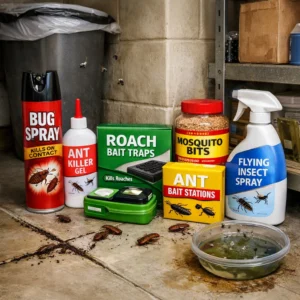
When it comes to pest control, selecting the right equipment is just as important as knowing the type of pest you are dealing with. Whether you’re a homeowner trying to control a small infestation or a professional pest control provider, understanding how to match the right tools to specific pests can greatly affect the outcome of your efforts. In this article, we’ll explore how to identify the pests you’re dealing with, match them to the right pest control equipment, and explain why choosing the right tool makes all the difference. We’ll also cover key considerations such as safety, equipment maintenance, and the cost of inaction if you don’t choose the right pest control equipment.
Table of Contents
ToggleIdentifying the Right Pest for the Right Equipment
The first step in effective pest control is identifying the pest you’re dealing with. Once you have a clear understanding of what you’re facing, selecting the appropriate equipment becomes a much easier task. Different pests require different treatments and tools, which vary greatly in terms of design, application method, and effectiveness.
Common Pests and Their Equipment Needs
Here’s a breakdown of some of the most common pests and the equipment best suited for them:
- Cockroaches: These pests are best controlled with high-quality sprayers or foggers. Cockroaches are resistant to many types of insecticides, so using the right equipment with the correct PSI (pounds per square inch) can ensure an even distribution of the pesticide and get to all the cracks and crevices where they hide. Professional-grade sprayers with a nozzle that provides fine mist are ideal for cockroach control.
- Bed Bugs: Bed bugs are notoriously difficult to eliminate because they hide in the smallest cracks, bedding, and furniture seams. Professional bed bug control often requires heat treatment or targeted insecticide applications using specialized equipment like steamers and dust applicators. A steamer with high PSI will provide the heat necessary to kill bed bugs at all life stages.
- Ants: Ants are often treated with baits or sprays. For small infestations, consumer-grade sprayers or bait stations may be sufficient, but for large colonies, using a sprayer with a high-capacity tank and nozzle precision will help target nests deep within walls.
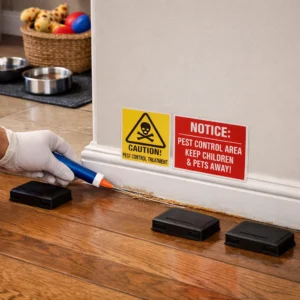
- Rodents: For rodent control, traps are essential, but for larger infestations, rodenticide dispensers and bait stations are often required. These need to be placed in areas where rodents are active but away from pets or children. Traps and dispensers need to be durable and designed to safely store the rodenticide or trap the rodents without harm to non-target animals.
- Termites: Termite control typically requires more specialized equipment like drilling systems and injectors. Professional-grade equipment that delivers chemicals deep into the foundation is necessary for thorough treatment. These systems can be adjusted for different PSI levels to ensure the treatment reaches the right depth.
Pro-Grade vs. Consumer-Grade Pest Control Equipment
When selecting pest control equipment, one of the biggest choices you’ll face is whether to go for consumer-grade tools or professional-grade equipment. Let’s break down the key differences:
Pro-Grade Pest Control Equipment
Professional-grade pest control equipment is designed for frequent, heavy-duty use and typically offers superior performance compared to consumer-grade tools. Here are the key features of pro-grade equipment:
- Higher PSI: Professional sprayers often feature higher PSI, allowing for deeper penetration of pesticides or fumigants. This is essential for larger or more stubborn infestations.
- Durability: Pro-grade tools are made from more robust materials, ensuring they withstand heavy use over time. They often feature stainless steel components, high-quality seals, and precision-engineered nozzles.
- Nozzle Precision: The nozzle of professional sprayers is often more precise, allowing for a controlled and even distribution of chemicals, which ensures that every crack and crevice gets treated.
- Larger Capacity: Pro-grade equipment often has larger reservoirs, meaning fewer refills during extended applications. This makes it ideal for larger properties, commercial spaces, or professional pest control companies.
Consumer-Grade Pest Control Equipment
Consumer-grade equipment is typically less expensive and easier to use, but it lacks the durability and advanced features of professional tools. Here are the key features of consumer-grade equipment:
- Lower PSI: Consumer-grade sprayers typically have a lower PSI, which may be less effective in treating deep infestations or pests that require a fine mist.
- Smaller Capacity: These tools are smaller and more lightweight, which makes them ideal for small areas or home use but may require frequent refilling during larger treatments.
- Basic Nozzle Designs: The nozzles on consumer sprayers are often less precise, which can lead to uneven application and wasted product. However, they are sufficient for smaller jobs like treating individual rooms or spot treatment of outdoor areas.
- Inexpensive Materials: Consumer-grade equipment is often made from plastic, which may not withstand frequent or extended use, and may need replacement sooner than professional tools.
While consumer-grade equipment can be a good option for light, occasional pest issues, professional-grade tools are necessary for more extensive infestations, regular treatments, and commercial properties.
Safety Considerations for Pest Control Equipment
When using pest control equipment, safety should always be a top priority. Improper handling of equipment or chemicals can result in health risks, contamination, and even environmental damage.
Personal Protective Equipment (PPE)
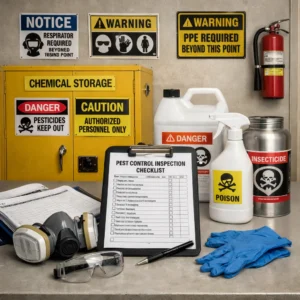
Proper PPE is necessary when handling pest control chemicals. Here are the basics of PPE you should wear:
- Gloves: Always wear durable gloves that protect your skin from direct contact with pesticides or chemicals.
- Goggles: Protective eyewear is essential to shield your eyes from accidental splashes or fumes.
- Mask: A respirator mask or dust mask is necessary to prevent inhalation of fumes or particles when applying pesticides or dealing with dust mites.
- Long-Sleeve Clothing: Wearing long-sleeve shirts and pants can prevent chemicals from contacting your skin.
Safe Storage of Equipment and Chemicals
After using pest control equipment, it’s crucial to store everything safely:
- Store pesticides, tools, and equipment in a dry, secure place away from children and pets.
- Ensure sprayers are cleaned after each use and stored in a location where they won’t be exposed to extreme temperatures.
- Keep chemicals in their original containers with labels intact, so you can easily identify them and follow safety guidelines.
Pet-Safe Tools and Methods
When you have pets in your home, selecting pet-safe pest control tools and methods is essential. Professional pest control services now offer more eco-friendly and non-toxic solutions that minimize harm to animals. Some pet-safe options include:
- Low-toxicity insecticides
- Biological treatments such as beneficial nematodes
- Steam treatments that don’t require chemicals
Always ensure that your pets are kept out of treated areas for the recommended duration before re-entering.
Maintenance of Pest Control Equipment
To ensure your pest control equipment lasts and works effectively, maintenance is key. This includes cleaning sprayers, calibrating spreaders, and checking for wear and tear.
Cleaning Sprayers
After every use, it’s important to clean your sprayer properly to prevent clogging and contamination. Follow these steps:
- Empty any remaining chemical solution from the tank.
- Rinse the tank with clean water and run it through the nozzle to flush out any leftover product.
- Disassemble the sprayer, remove the nozzle, and clean it with a brush or cloth to remove any debris.
Calibrating Spreaders
If you use a spreader for granular treatments, calibration ensures that the right amount of product is applied. To calibrate a spreader:
- Set the spreader on a flat surface and fill it with the pest control product.
- Run the spreader for a set distance and weigh the remaining product to ensure even distribution.
- Adjust the settings on the spreader to match the desired spread rate.
Visual Guides and Equipment in Action
Seeing pest control equipment in action can help you understand its proper use. Videos or step-by-step images can clarify how to operate your tools effectively. For instance, you may find video loops or image galleries showing a sprayer releasing a fine mist or a dust applicator spreading powder over affected areas.
The Cost of Inaction: Why Choosing the Wrong Equipment Can Cost More
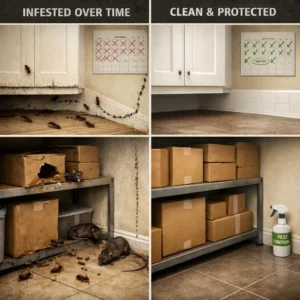
Using the wrong pest control equipment or failing to act quickly can result in bigger infestations, damage to your home, and higher treatment costs later. For example, using a low-quality sprayer on a large cockroach infestation will likely result in the need for additional treatments and products, leading to higher overall costs. Similarly, choosing not to invest in proper equipment for termite treatment can lead to severe structural damage that may cost thousands to repair.
Choosing the right pest control equipment, especially when dealing with serious infestations, is an investment in your home or business’s long-term health and safety.
Conclusion: Investing in the Right Pest Control Equipment
Whether you’re tackling a small pest issue or dealing with a large-scale infestation, using the right pest control equipment can make all the difference in your success. From identifying the pests to choosing the proper tools, understanding maintenance, and following safety precautions, investing in the right equipment leads to better, longer-lasting results. Remember, the cost of using the wrong equipment is far higher than getting professional-grade tools from the start.