Pest problems are far more common than most people admit. Seeing insects in the kitchen, hearing scratching sounds at night, or finding unexplained bites can trigger embarrassment, stress, or even anxiety. Many people worry that a pest issue reflects poor hygiene or neglect, when in reality pests are opportunistic and can affect even the cleanest homes and most well-managed businesses. This is often the moment when people start looking for a pest control expert—not just someone to spray chemicals, but someone who understands the problem and can solve it properly.
This article explains what a pest control expert really does, how to identify common pest problems accurately, why DIY and over-the-counter solutions often fail in recurring or complex cases, what happens during a professional inspection and treatment process, how pricing is usually influenced, and what kind of results, follow-ups, and accountability you should realistically expect. It also compares expert pest control with DIY approaches and provides practical guidance on questions to ask before hiring an expert, common myths to avoid, and essential safety considerations for families, pets, and workplaces.
Table of Contents
ToggleReducing stigma and anxiety around pest problems
One of the biggest barriers to solving pest problems effectively is the stigma attached to them. Many people delay seeking help because they feel embarrassed or fear being judged. In reality, pests are not a sign of personal failure. They are driven by biology, access, and environmental conditions.
Common reasons pests appear include:
- Small structural gaps around pipes, doors, or windows
- Moisture from leaks or condensation
- Shared walls or ceilings in apartments and offices
- Nearby construction or renovation activity
- Seasonal changes that push pests indoors
A pest control expert understands this and approaches the situation without judgment. Their role is to diagnose and solve the problem, not assign blame.
Why accurate pest identification matters
Many pest problems look similar on the surface but require very different solutions. Misidentification is one of the main reasons treatments fail.
For example:
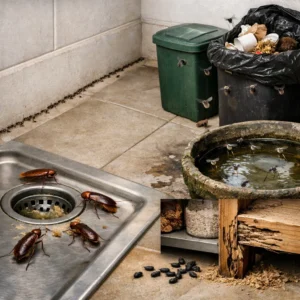
- Cockroaches are often confused with beetles, but their behavior and hiding places differ significantly.
- Bed bug bites are frequently mistaken for mosquito bites or skin allergies.
- Ant trails may indicate food-seeking ants, while others suggest a nearby nesting colony.
- Termite damage is sometimes confused with general wood rot or moisture damage.
A pest control expert is trained to distinguish between similar-looking pests by examining physical characteristics, droppings, nesting materials, damage patterns, and activity timing. Correct identification allows the treatment to target the root of the problem rather than the symptoms.
Why DIY and over-the-counter solutions often fail
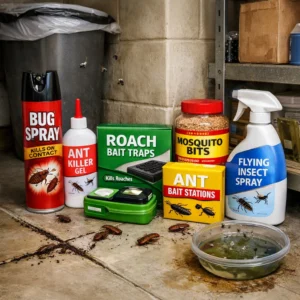
DIY pest control products are widely available and often seem appealing because they promise quick results at a lower upfront cost. While they may help in very early or isolated cases, they frequently fail when the problem is recurring or complex.
Common reasons DIY solutions fail include:
- They target visible pests but not nests or breeding areas
- Incorrect dosage or application methods
- Pests developing resistance to commonly used chemicals
- Driving pests deeper into walls or neighboring areas
- Lack of follow-up and monitoring
In some cases, repeated DIY attempts can make the infestation worse by spreading pests or masking the true extent of the problem. A pest control expert knows when surface treatments are insufficient and when deeper intervention is needed.
What defines a true pest control expert
Not all pest control services are equal. A true pest control expert goes beyond basic spraying and focuses on understanding pest behavior, biology, and environmental factors.
Key qualities of a pest control expert include:
- Strong knowledge of pest life cycles and habits
- Ability to identify entry points and hidden nesting areas
- Use of Integrated Pest Management (IPM) strategies
- Precision in applying treatments only where needed
- Clear communication and education for clients
Expertise means choosing the right method for the right situation, not applying the same treatment everywhere.
Understanding Integrated Pest Management (IPM)
Integrated Pest Management is a core principle used by any serious pest control expert. IPM focuses on long-term control by combining multiple strategies rather than relying solely on chemicals.
IPM typically includes:
- Inspection and monitoring
- Accurate pest identification
- Environmental modification (reducing food, water, and shelter)
- Physical controls such as sealing entry points
- Targeted chemical use only when necessary
This approach reduces health risks, minimizes chemical exposure, and improves long-term results.
What happens during a professional inspection
A professional inspection is the foundation of effective pest control. Rather than guessing, a pest control expert takes time to assess the situation thoroughly.
During an inspection, you can expect:
- Questions about when and where pest activity was noticed
- Visual checks of affected and adjacent areas
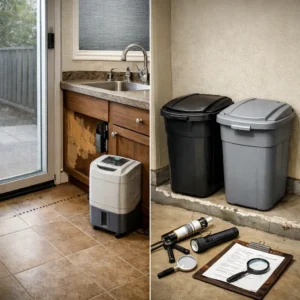
- Inspection of kitchens, bathrooms, storage, and entry points
- Identification of moisture issues or structural gaps
- Assessment of infestation severity
The inspection allows the expert to design a treatment plan tailored to your specific situation.
How professional treatment is applied
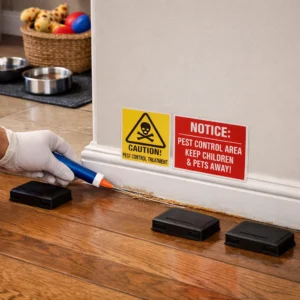
Professional treatment is not about covering every surface with chemicals. A pest control expert applies treatments strategically to maximize effectiveness and safety.
This may include:
- Targeted application in nesting or high-activity areas
- Baits or traps designed for specific pests
- Residual treatments in controlled locations
- Non-chemical measures where appropriate
Precision reduces unnecessary exposure and improves results.
Factors that influence pest control pricing
Pricing for professional pest control varies and is influenced by several factors. A pest control expert does not quote blindly without understanding the situation.
Common pricing factors include:
- Type of pest involved
- Size and layout of the property
- Severity and spread of the infestation
- Access difficulty and safety requirements
- Need for follow-up visits or monitoring
Rather than focusing only on upfront cost, it is important to consider long-term effectiveness and accountability.
What results and follow-ups are reasonable to expect
Professional pest control is a process, not always a one-time event. A pest control expert sets realistic expectations and explains what happens after treatment.
Reasonable expectations include:
- Reduced activity shortly after treatment
- Possible temporary increase in visible pests as treatments take effect
- Clear guidance on what is normal and what is not
- Follow-up visits if activity persists
Warranties or guarantees usually depend on pest type and environmental factors, not blanket promises.
Expert pest control versus DIY approaches
Comparing professional pest control with DIY solutions highlights important differences.
- Effectiveness: Experts target the source; DIY often targets symptoms.
- Safety: Professionals use controlled methods; DIY risks overuse.
- Long-term results: Experts focus on prevention; DIY often leads to recurrence.
- Accountability: Experts provide follow-ups; DIY has no support.
For complex or recurring problems, expert intervention is usually more cost-effective in the long run.
Key questions to ask before hiring a pest control expert
Before choosing a provider, asking the right questions helps ensure you are working with a true expert.
- How do you identify the pest and its source?
- What treatment methods do you recommend and why?
- How do you ensure safety for children and pets?
- What follow-up or monitoring is included?
- What results should I realistically expect?
Common pest control myths to avoid
Misinformation often leads to ineffective decisions.
- Myth: A clean home cannot have pests
- Myth: One treatment solves all pest problems
- Myth: Stronger chemicals mean better results
- Myth: DIY is always cheaper in the long run
A pest control expert helps separate myths from practical reality.
Safety considerations for families, pets, and workplaces
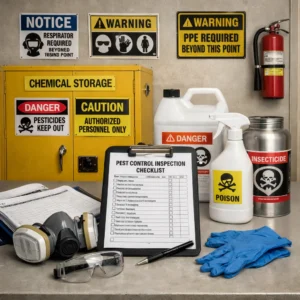
Safety is a core responsibility of professional pest control.
Essential safety practices include:
- Clear preparation instructions before treatment
- Protection of food and sensitive areas
- Pet-specific precautions
- Ventilation and re-entry guidance
Expert-led treatments minimize risk while maintaining effectiveness.
A calm next step when pest problems persist
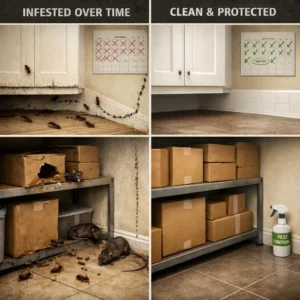
When pest issues continue despite cleaning or DIY efforts, it is often a sign that deeper factors are involved. Ignoring the problem can increase health risks, property damage, and stress.
Working with a pest control expert provides clarity, structure, and accountability. Through inspection-led treatment, careful application, and follow-up support, professional pest control helps restore comfort and peace of mind without unnecessary fear or stigma.
Conclusion
A pest control expert offers more than temporary relief. By understanding pest behavior, applying Integrated Pest Management principles, prioritizing safety, and setting realistic expectations, expert pest control delivers effective and sustainable results for homes, businesses, and workplaces.