Pest control fogging is a powerful tool used to eliminate pests, but it is important to understand when and how it should be used. Often confused with “bug bombs” or traditional aerosol sprays, fogging involves a specific method that targets pests in hard-to-reach areas. While effective, fogging has limitations and should be applied properly for maximum results. This article explains the differences between bug bombs and professional Ultra-Low Volume (ULV) fogging, provides actionable preparation and safety steps, discusses the environmental considerations, and guides you on what to expect after fogging treatment. Additionally, we’ll go over when fogging might not be the best solution and provide alternatives for certain types of pest problems.
Table of Contents
ToggleWhat is pest control fogging?
Pest control fogging involves dispersing an insecticide in the form of fine droplets or mist, which can penetrate deep into cracks, crevices, and wall harborages where pests may be hiding. This method contrasts with “bug bombs” or aerosol sprays that are designed for surface-level treatment. Fogging uses a specialized machine to release the insecticide, often in a very fine mist, to cover a wide area with minimal liquid, allowing it to settle into cracks and difficult-to-reach spots.
Two main types of fogging are typically used:
- ULV (Ultra-Low Volume) fogging: A professional pest control method that uses specialized equipment to emit a very fine mist that targets deep harborages in walls and other hidden spaces.
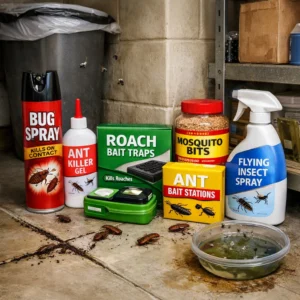
- Bug bombs: Over-the-counter aerosol devices that release a pesticide into the air in an enclosed space. They are often less effective in reaching deep harborages, and are more surface-oriented.
While bug bombs may be convenient and easy to use, they often fail to effectively eliminate pests in hidden locations. Professional ULV fogging, on the other hand, targets these deeper harborages, offering more thorough pest control.
The effectiveness and limitations of fogging
Fogging is effective at treating widespread infestations of pests such as mosquitoes, flies, and certain types of cockroaches. It is particularly useful in addressing pests that are hiding in cracks, behind walls, or inside other hard-to-reach areas. However, it is not a catch-all solution and comes with some limitations.
Fogging can:
- Reach hidden harborages deep within walls and under floors
- Cover large areas efficiently
- Target pests in sensitive areas, like the kitchen or bathroom, that are difficult to treat with other methods
However, there are situations where fogging is not the ideal choice:
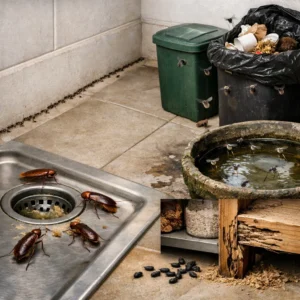
- German cockroaches: These pests tend to hide in tiny cracks and crevices, and fogging may disturb them, causing them to scatter and spread the infestation.
- Bed bugs: Fogging is typically ineffective for bed bugs. These pests live in mattresses, furniture, and cracks, and fogging can push them into deeper hiding spots, worsening the infestation.
In these cases, alternative methods such as targeted insect growth regulators (IGRs) or heat treatments may be more effective.
How to prepare for pest control fogging
Proper preparation is key to a successful fogging treatment. It is essential to take steps that will minimize risk and ensure the safety of both the household and the pest control technicians.
Before fogging, follow these preparation steps:
- Cover electronics and electrical equipment: Fogging can damage electronic devices like computers, televisions, and microwaves. Cover them with plastic or remove them from the room if possible.
- Turn off pilot lights: If you’re fogging an area with gas appliances, turn off any pilot lights to avoid fire hazards.
- Seal food and remove pets: Fogging chemicals can contaminate food and pose health risks to pets. Seal all food items in containers or remove them from the treated area, and make sure pets are kept outside or in a separate room during treatment.
- Evacuate the area: Ensure that everyone, including children and pets, leaves the area during fogging. The mist can be harmful if inhaled.
Once the area has been sealed and everyone is out, the technician will begin fogging, dispersing the pesticide into the air.
Post-fog cleaning process
After fogging, there will likely be some residue left behind. It’s essential to clean properly to minimize exposure to any lingering chemicals.
Here’s what you should do after fogging:
- Wipe down surfaces: After the recommended waiting period (typically a few hours), wipe down countertops, tables, and other surfaces that may have come into contact with the mist.
- Avoid certain areas: Do not immediately clean floors or surfaces that were treated in areas like corners or behind furniture. Let the treatment sit for its full duration to maximize effectiveness.
- Ventilate the area: Open windows and doors to allow fresh air to circulate and help remove any remaining pesticide fumes from the area.
Following these steps ensures that you don’t accidentally reintroduce contaminants into the environment.
When fogging is used for mosquitoes: Environmental considerations
One of the most common applications of fogging is for mosquito control, especially for outdoor events like weddings, parties, or festivals. Mosquito fogging provides quick relief by killing adult mosquitoes that are present in the area. However, it is important to time this treatment properly to reduce environmental impacts.
Environmental considerations include:
- Avoid fogging near pollinators: Fogging can affect non-target species, including pollinators like bees. It’s important to avoid fogging in areas with active flower gardens or near beehives.
- Timing is everything: Fogging should be done during low-activity times for pollinators (e.g., early mornings or late evenings) when insects are less likely to be active.
- Eco-friendly options: When possible, opt for non-toxic or eco-friendly fogging agents that target mosquitoes but have minimal impact on the environment.
While mosquito fogging provides quick relief, always consider the surrounding environment and take appropriate precautions to protect beneficial insects.
When fogging is the wrong choice
While fogging is effective for many pest types, it’s not always the right solution. In some cases, fogging can actually make the problem worse by pushing pests into deeper hiding places.
Fogging should not be used when:
- German cockroaches: These pests tend to scatter when disturbed. Fogging can cause them to move into deeper parts of the building, making it harder to control the infestation.
- Bed bugs: Fogging doesn’t target bed bugs effectively, and it may cause them to disperse to other areas, complicating treatment.
In these cases, it’s better to use targeted treatments like insect growth regulators (IGRs) or professional heat treatments.
What to expect after fogging: Smell, residue, and ventilation
After the fogging treatment, it’s common to notice a lingering smell. This is because fogging involves applying a chemical insecticide that leaves a residue in the treated areas.
Here’s what you should expect:
- Smell: There will likely be a chemical smell in the air after fogging. This is temporary, and it will dissipate once the room is ventilated.
- Residue: You may notice a fine residue on furniture, counters, or floors. Wipe these surfaces down after the recommended wait time.
- Ventilation: Open windows and doors to air out the room, which helps remove any lingering chemical fumes.
Ensure that you follow the post-fog cleaning process to avoid any exposure to chemicals.
Interactive tool: Is fogging the right solution for your pest problem?
Wondering if fogging is the right choice for your pest problem? Use the following flowchart or quiz to guide you:
Conclusion
Pest control fogging is a highly effective method for controlling many types of pests, but it is not suitable for every situation. Understanding how it works, preparing for treatment, following safety steps, and knowing when not to use fogging can help ensure you are making the right choice for your pest control needs. If you are unsure whether fogging is the best solution for your home or business, consulting with a professional pest control service can provide clarity and guide you toward the most effective treatment plan.