Bed bugs are one of the most stressful household pest problems because they are difficult to see, hard to eliminate, and quick to spread. Many infestations go unnoticed at the beginning, allowing the problem to grow quietly until bites, skin irritation, or visible signs start to appear. This is why proper pest control for bed bugs focuses not only on killing the insects, but also on confirming the infestation accurately, treating it thoroughly, and preventing it from coming back.
This article explains how to identify a bed bug infestation, where bed bugs usually hide, how basic inspections work, which treatment approaches are most effective, how heat treatment and targeted chemical applications are often combined, what prevention steps actually help, how DIY methods compare with professional services, when expert intervention becomes necessary, and what health, safety, and eco-friendly considerations should be taken into account.
How to identify a bed bug infestation
Correct identification is the most important first step in pest control for bed bugs. Many people confuse bed bugs with mosquitoes, fleas, or other insects, which can delay proper treatment.
Common signs of a bed bug infestation include:
- Small red or itchy bites, often in lines or clusters
- Dark spots or stains on mattresses, sheets, or pillowcases
- Small blood marks on bedding
- Live insects hiding in seams or cracks
- A musty or sweet odor in severe infestations
Bites alone are not always enough to confirm bed bugs, as skin reactions vary between individuals. Visual inspection is essential.
Where bed bugs usually hide
Bed bugs are excellent at hiding in tight spaces close to where people sleep or rest. They avoid open areas and light, which makes them difficult to detect without careful inspection.
Common hiding spots include:
- Mattress seams and labels
- Bed frames and headboards
- Cracks in walls or wooden furniture
- Behind baseboards and wall sockets
- Inside sofas, chairs, and cushions
- Behind picture frames and loose wallpaper
Because bed bugs can spread through furniture, luggage, and clothing, infestations often move from one room to another without being noticed.
Basic inspection steps to confirm bed bugs
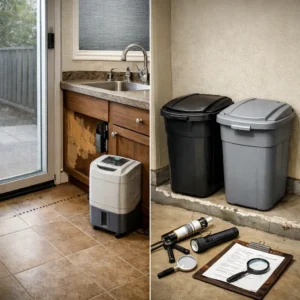
Initial inspection helps confirm whether bed bugs are present and how widespread the infestation may be. This is a key part of effective pest control for bed bugs.
Basic inspection steps include:
- Removing bedding and checking mattress seams closely
- Inspecting bed frames, joints, and screw holes
- Checking nearby furniture and upholstery
- Looking behind baseboards and wall edges
- Using a flashlight to inspect dark crevices
Professional inspections are often more accurate because trained technicians know where to look and how to recognize early signs.
Why bed bugs are difficult to eliminate
Bed bugs are resilient pests. They can survive for long periods without feeding and hide in places that are difficult to reach with standard cleaning or spraying.
Challenges in pest control for bed bugs include:
- Resistance to some over-the-counter insecticides
- Ability to hide deep inside furniture and walls
- Eggs that are hard to kill with surface treatments
- Rapid spread through personal belongings
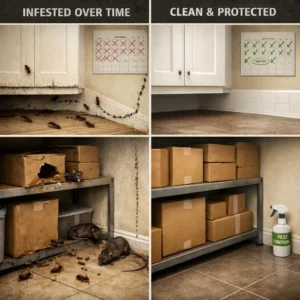
Because of these factors, incomplete treatment often leads to reinfestation.
Most effective treatment approaches for bed bugs
Successful pest control for bed bugs usually requires a combination of methods rather than a single treatment.
Targeted chemical treatment
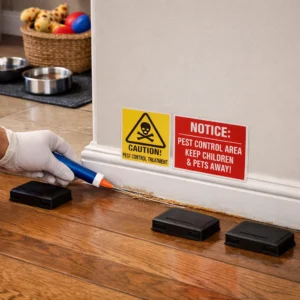
Professional chemical applications are applied directly to known hiding spots and travel paths. These treatments are designed to eliminate active bed bugs and reduce the chance of survival.
Unlike DIY sprays, professional products are applied in controlled dosages and specific locations to improve effectiveness and safety.
Heat treatment
Heat treatment is one of the most effective methods for bed bug control. It works by raising temperatures to levels that bed bugs and their eggs cannot survive.
Heat treatment is effective because:
- It kills all life stages, including eggs
- It penetrates furniture and fabrics
- No chemical residue remains after treatment
In many cases, heat treatment is combined with targeted chemical application to ensure complete control.
Why combined treatment methods work best
Using only one method often leaves gaps. Combined treatment allows different methods to complement each other.
For example:
- Heat eliminates hidden bugs and eggs
- Chemical treatment addresses remaining movement areas
- Follow-up inspections confirm effectiveness
This combined approach is a standard professional strategy in pest control for bed bugs.
Practical prevention and control measures at home
Prevention plays a major role in reducing the risk of bed bug infestations and supporting professional treatment.
Practical prevention steps include:
- Regularly washing bedding at high temperatures
- Vacuuming mattresses, bed frames, and furniture
- Reducing clutter around sleeping areas
- Sealing cracks and crevices in walls and furniture
- Inspecting second-hand furniture before bringing it home
These steps help limit hiding places and reduce reinfestation risk.
DIY options and their limitations
DIY methods are often attempted first because they seem affordable and convenient. However, their effectiveness is limited.
DIY approaches may include:
- Over-the-counter sprays
- Vacuuming and steam cleaning
- Mattress encasements
DIY methods may help reduce visible activity but usually fail to eliminate the entire infestation, especially eggs hidden deep inside furniture.
When professional pest control for bed bugs becomes necessary
Professional intervention is strongly recommended when:
- Bites continue despite cleaning efforts
- Bed bugs are found in multiple rooms
- DIY treatments fail repeatedly
- The infestation affects shared or rental properties
Early professional treatment often reduces overall cost and disruption.
Pricing details for professional bed bug treatment
Understanding pricing helps set realistic expectations when seeking pest control for bed bugs.
For residential properties, basic bed bug treatment pricing is typically structured by apartment size:
- Studio apartment: AED 119
- 1-bedroom apartment: AED 139
- 2-bedroom apartment: AED 179
- 3-bedroom apartment: AED 211
- 4-bedroom apartment: AED 238
- 5-bedroom apartment: AED 287
For commercial spaces, bed bug treatment pricing is usually based on area size:
- Up to 50 sqm: AED 120
- Up to 100 sqm: AED 180
- Up to 150 sqm: AED 230
- Up to 200 sqm: AED 275
All prices represent basic bed bug treatment. The final price is determined after inspection, based on infestation severity, number of affected areas, and treatment method required.
Health and safety considerations
Bed bugs do not transmit disease, but they can cause allergic reactions, skin irritation, sleep disruption, and psychological stress.
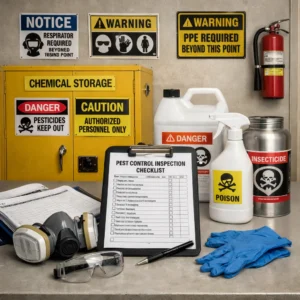
Professional pest control for bed bugs prioritizes safety by:
- Using approved treatment products
- Applying chemicals in controlled amounts
- Providing clear preparation and re-entry instructions
- Protecting children, pets, and sensitive occupants
Natural and eco-friendly treatment considerations
Some households prefer reduced-chemical or eco-friendly approaches. While fully chemical-free solutions are limited, professionals may use:
- Heat-based treatment methods
- Targeted application instead of broad spraying
- Integrated pest management strategies
These methods help reduce chemical exposure while maintaining effective control.
A practical next step if bed bugs are suspected
Bed bug infestations rarely disappear without proper treatment. Ignoring the problem often leads to wider spread, higher costs, and increased stress.
First Station Pest Control Services provides professional pest control for bed bugs using inspection-led treatment, combined methods, transparent pricing, and safety-focused procedures. If you are unsure whether bed bugs are present or want to understand treatment options and costs before committing, using the WhatsApp or Call button at the top of the page allows you to discuss your situation calmly and decide on the most appropriate next step.
Conclusion
Pest control for bed bugs requires accurate identification, effective treatment methods, and proper prevention. By understanding how infestations develop, knowing the limits of DIY approaches, and acting early with professional support, households and businesses can eliminate bed bugs safely and reduce the risk of reinfestation.