Pest control for restaurant operations is not just about eliminating pests but ensuring that the establishment remains compliant with health and safety regulations. A clean, safe, and pest-free environment is crucial not only for the well-being of your customers and staff but also for the reputation and longevity of your business. This article will explore why using an Integrated Pest Management (IPM) approach is essential, common restaurant pests, practical pest control solutions, and tips for selecting a reliable pest control partner for your restaurant.
Table of Contents
ToggleThe Importance of an Integrated Pest Management (IPM) Approach
An Integrated Pest Management (IPM) approach combines prevention, monitoring, and control measures to manage pests in an environmentally responsible way. Unlike traditional pest control methods that may rely heavily on chemicals, IPM focuses on using a combination of physical, biological, and cultural methods to manage pests effectively while reducing the use of toxic substances in sensitive areas such as food preparation zones.
The key components of IPM include:
- Inspection: Regularly checking the premises to identify potential entry points and areas where pests might thrive.
- Exclusion: Sealing gaps and cracks in walls, doors, windows, and around plumbing fixtures to prevent pest entry.
- Sanitation: Keeping the restaurant clean, especially in high-risk areas like the dish pit, storage rooms, drains, and behind kitchen equipment.
- Monitoring: Keeping track of pest activity with the use of pest logs and traps to catch any emerging issues early.
- Control: Using non-toxic methods to handle pest issues, such as air curtains, light traps, or natural repellents.
The goal of IPM is to manage pests in a way that minimizes risks to health, food safety, and the environment, and ensures compliance with local health department regulations. An effective IPM program helps restaurant owners maintain a hygienic environment, reduce health risks, and avoid costly violations.
Why Pest Control is Essential for Restaurants
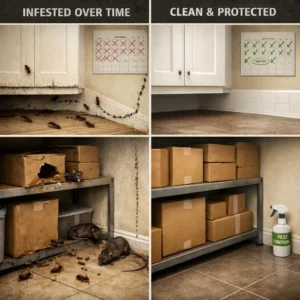
Restaurants are prime targets for pests, especially due to the abundance of food and waste. Without proper pest management, your restaurant could face health violations, loss of business, and severe damage to your reputation. For restaurant owners, pest control is not optional—it’s a necessity.
The risks of not addressing pest control in your restaurant include:
- Health risks: Pests can carry diseases, bacteria, and allergens that could contaminate food and create a health hazard for customers and staff.
- Regulatory non-compliance: Health departments require that food establishments maintain a clean, pest-free environment. Failure to comply can result in fines, closures, or even loss of your business license.
- Reputation damage: A single pest sighting or pest-related complaint can quickly spread, damaging your restaurant’s reputation and leading to loss of customers.
- Property damage: Pests like rodents and termites can damage your property by chewing through wiring, plumbing, and structural elements of the building.
To maintain a safe, clean, and compliant restaurant, a comprehensive pest management plan must be in place from day one.
Common Restaurant Pests
Restaurants are susceptible to a variety of pests. Here are some of the most common pests encountered in the restaurant environment:
Fruit Flies
Fruit flies are one of the most common pests found in restaurants, particularly in areas where fresh produce is stored. They are attracted to overripe fruits, vegetables, and other organic materials. Fruit flies breed quickly and can contaminate food, making them a significant concern in restaurants.
Rodents (Rats and Mice)
Rodents are a major problem for restaurants, particularly in commercial kitchens and storage areas. Mice and rats can chew through packaging, contaminate food, and spread diseases. They also hide in hard-to-reach areas such as walls, ceilings, and plumbing, making them difficult to detect without proper pest management.
Stored Product Pests
Stored product pests such as pantry beetles, weevils, and moths can infest dry goods such as flour, rice, and grains. These pests can be difficult to detect until they have already caused significant damage, contaminating your stock and creating a risk of contamination for customers.
Ants
Ants are another common pest in restaurants, particularly when food or crumbs are left behind in kitchens or dining areas. They form large colonies that can invade your restaurant’s food preparation areas, compromising food safety and hygiene.
Flies
Flies are attracted to garbage, food waste, and unsanitary conditions. They can contaminate food surfaces with bacteria, making it crucial to maintain cleanliness in trash areas and food preparation zones.
Practical Pest Control Solutions
Pest Log Book
One of the most effective ways to manage pest control in restaurants is by keeping a detailed Pest Log Book. This log records inspections, sightings, and treatments. Having a pest log book helps with tracking pest activity, identifying patterns, and ensuring compliance with health department regulations. It is an essential tool for maintaining audit-ready documentation and can help spot any recurring pest issues.
Light Traps and Air Curtains
Light traps are an excellent way to capture flying insects like fruit flies and other pests attracted to light. Installing light traps in areas like the kitchen, storage rooms, and near entryways can help reduce flying insect populations. Similarly, air curtains, which create a barrier of air over entry points, can help prevent flying pests from entering your restaurant when doors are open.
Proper Trash Management
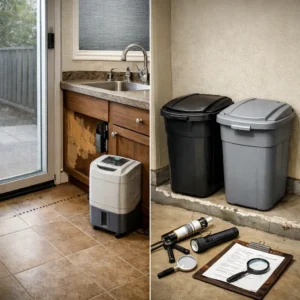
One of the most common sources of pest attraction is improperly managed trash. Garbage areas should be kept clean and sanitized, and trash should be removed regularly to prevent it from accumulating. Ensuring that trash bins are tightly sealed and placed away from food preparation zones will discourage rodents and flies from entering your premises.
Non-Toxic Solutions
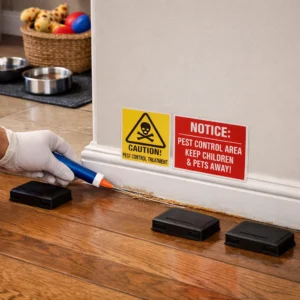
Restaurants have unique challenges when it comes to pest control because food safety must always be the top priority. Non-toxic or eco-friendly pest control options, such as plant-based sprays or traps, can be used to manage pests without posing any risk to customers or staff. These methods are especially important in areas like kitchens or food storage rooms, where chemical exposure must be minimized.
Choosing a Reliable Pest Control Partner for Your Restaurant
When selecting a pest control provider for your restaurant, it’s important to find someone who understands the unique challenges of maintaining a pest-free environment in a food-related business. Here’s what to look for in a commercial pest control partner:
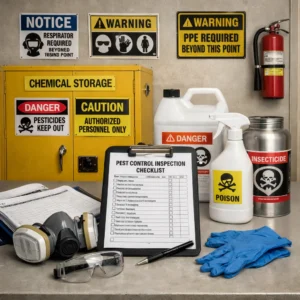
- Licensing and certification: Ensure that the company is licensed and approved by the local health and regulatory authorities. This guarantees they adhere to safe and legal pest control practices.
- Discretion: Your pest control provider should be discreet and professional. They should carry out their work without disrupting restaurant operations or alerting customers to the presence of pests.
- Emergency response time: A reliable provider should be able to respond quickly to emergencies, especially if there’s an active infestation or a customer has reported a pest sighting.
- Audit-ready documentation: Professional pest control services should provide regular documentation of treatments, inspections, and pest activity. This documentation is essential for health department audits and ensuring compliance.
Pricing for Pest Control for Restaurants
Pricing for pest control in restaurants can vary depending on the size of the establishment, the severity of the infestation, and the frequency of required treatments. Generally, restaurant pest control services include the initial inspection, followed by ongoing treatments to keep the premises pest-free.
For smaller restaurants, basic treatments for common pests like fruit flies, ants, and rodents typically start from around AED 119 for a studio or small unit. Larger restaurants or commercial properties may see prices ranging from AED 139 to AED 211 for initial treatments, with ongoing maintenance plans available for an additional cost.
Specialized treatments for more persistent pests like termites or bed bugs can be priced higher depending on the scope of the infestation. Prices for these treatments can start at AED 300 and go up significantly depending on the size of the restaurant and the severity of the problem.
For more detailed pricing information, including current rates and specific treatments, it’s always recommended to check the official pricing page or consult directly with a pest control provider.
What to Do If a Customer Notices a Pest
One of the most common crises in the restaurant business occurs when a customer notices a pest. This can quickly lead to negative reviews, lost business, and damaged reputation. Here are immediate steps to take:
- Act quickly: Acknowledge the issue promptly, apologize, and offer the customer an immediate solution, such as a discount or free meal.
- Assess the situation: Investigate the problem quickly to determine the extent of the issue and whether further action is needed.
- Contact your pest control provider: Immediately inform your pest control provider about the situation and schedule a service visit to handle any visible infestations.
- Document the incident: Keep a record of the customer’s complaint and the actions you took. This helps with future audits and demonstrates that you are proactive in addressing the problem.
Handling a pest sighting professionally and efficiently can help maintain customer trust and avoid major reputation damage.
Conclusion
Pest control for restaurants is a crucial aspect of running a successful food business. By using an Integrated Pest Management approach, maintaining cleanliness, managing trash, and investing in professional pest control services, you can protect your restaurant from pests while ensuring compliance with local health regulations. Always choose a licensed and reliable provider who understands the unique challenges of your business and can respond quickly in case of an emergency. Regular pest control treatments not only ensure a safe environment for customers and staff but also safeguard your restaurant’s reputation and long-term success.