Spiders are common visitors in both homes and businesses, and while they play an essential role in controlling the insect population, their presence can still cause concern. Whether it’s the occasional sighting in a corner or more frequent appearances, many people search for pest control for spiders when the number of spiders becomes overwhelming. This blog post explains why spiders are present in your space, how to distinguish between harmless and dangerous species, and the most effective methods to control them, especially considering the unique behaviors that make spiders different from other pests.
Table of Contents
ToggleWhy are spiders present in your space?
Spiders are primarily found where there is a food source, typically insects such as flies, mosquitoes, and ants. Their presence usually means that your home or business is attracting other pests. Spiders are natural predators, and they often settle in places that provide abundant food opportunities. However, they don’t just move in without reason—if you’re seeing spiders, it’s likely because there is a wider pest issue that needs attention.
Common signs of spider presence include:
- Visible webs, especially in corners, under furniture, or in attics
- Dead insects caught in webs
- Frequent sightings, particularly at night
- Egg sacs, which look like small white or yellow sacs hanging in webs
Once you’ve noticed these signs, it’s time to start thinking about spider control before they become more entrenched in your living or working spaces.
Distinguishing between harmless and dangerous spiders
Not all spiders are harmful. In fact, most are beneficial, as they help control other pests by eating flies, mosquitoes, and other small insects. However, some species of spiders are dangerous and require immediate action to protect yourself and your family or employees. It’s important to be able to differentiate between harmless and potentially dangerous species.
Harmless spiders
Many common household spiders are harmless and pose no threat to humans. Some of these include:
- Common House Spider: Typically brown or gray, with no venomous bite, they are often seen in corners of rooms or near windows.
- Cellar Spider: Also known as daddy longlegs, these spiders have long legs and are often found in basements or dark corners.
- Jumping Spiders: These spiders are small, with colorful markings. They are not aggressive and usually only bite in self-defense.
Dangerous spiders
While rare, some spiders in certain areas can be dangerous. The two main species to watch out for in the UAE and many other regions are:
- Black Widow Spider: Recognizable by its shiny black body and red hourglass on its abdomen, a black widow’s bite can cause severe pain, muscle cramps, and in extreme cases, death.
- Brown Recluse Spider: Known for its violin-shaped marking on its back, this spider’s bite can cause severe skin necrosis and systemic symptoms.
If you suspect a dangerous spider, avoid handling it. Contact a professional pest control service to handle the situation safely and effectively.
Why traditional sprays often fail for spiders
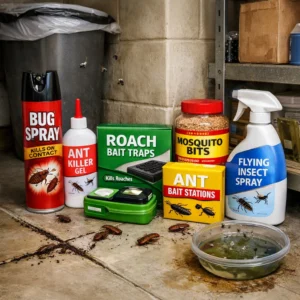
One of the most common mistakes people make when dealing with spiders is resorting to traditional insect sprays. While these sprays are effective for many types of insects, they tend to be ineffective for spiders for several reasons:
- Spiders have high bodies: Unlike insects, spiders tend to have long legs and a high body, making it difficult for traditional sprays to contact them effectively.
- Spiders groom themselves: Many spiders clean themselves regularly by grooming, which means any chemicals that land on them will likely be removed before having an effect.
- Spiders can hide effectively: Spiders often retreat into cracks, crevices, and corners that are difficult to reach with sprays.
For these reasons, spider control requires more targeted, long-lasting solutions than what traditional sprays can offer.
Effective pest control for spiders: solutions and techniques
When it comes to controlling spiders, the best approach is a combination of physical barriers, habitat modifications, and more targeted treatments. Below are some of the most effective methods:
Microencapsulated sprays
Microencapsulated sprays are designed to provide longer-lasting effects than traditional sprays. These sprays use small capsules that contain the pesticide, which are slowly released over time. This is much more effective for spiders, as it allows the chemical to remain active for weeks, even after initial contact.
Dusts
Dusts like diatomaceous earth or insecticidal dust are another effective solution for spider control. These products work by causing physical damage to the spider’s exoskeleton, leading to dehydration. When spiders walk through or ingest the dust, it damages their protective outer layer, ultimately killing them.
Sticky traps
Sticky traps are excellent for catching spiders and other crawling insects. Place them in areas where spiders are most active, such as along walls, in corners, and near entry points. These traps will not only catch the spiders but will also help monitor the level of infestation.
Peppermint oil
Peppermint oil is a natural and safe alternative that repels spiders. Mix a few drops of peppermint oil with water in a spray bottle and spray it around windows, doors, and baseboards. The strong smell repels spiders and other insects.
Diatomaceous earth
Diatomaceous earth is a non-toxic powder made from the fossilized remains of tiny aquatic organisms. When applied to areas where spiders are active, it can kill them by dehydrating them. It is safe to use around pets and children, making it a good option for households looking for a safer pest control solution.
How to physically control spiders: barriers and habitat modifications
Sometimes, the best way to deal with spiders is to prevent them from entering in the first place. You can do this by eliminating their hiding spots and sealing up entry points to your home or business.
Remove webs
Regularly removing webs prevents spiders from taking up residence in certain areas. Use a broom or vacuum to remove webs, and be sure to remove any egg sacs you find, as they can hatch into new spiders.
De-clutter your space
Spiders love cluttered areas where they can hide. Reducing the amount of clutter in your home or office—especially in basements, attics, and garages—will make it more difficult for spiders to find a place to settle.
Seal entry points
Spiders often enter through small cracks or gaps in walls, doors, windows, and vents. Seal these entry points with caulk, weatherstripping, or door sweeps to prevent them from getting inside. Make sure to check around windows, doors, and baseboards.
Use yellow LED bug lights
Insects are naturally attracted to bright white lights. However, yellow LED lights are less attractive to insects, including spiders. By switching to yellow LED lights outside your home or office, you can reduce the number of bugs and, by extension, the number of spiders attracted to your space.
Spider bite safety and identifying dangerous species
While most spiders in homes and businesses are harmless, there are a few species that pose a risk to humans. Knowing how to identify dangerous bites and handling them appropriately is crucial in case of an emergency.
How to identify dangerous bites
Spider bites usually cause localized redness, swelling, and mild pain. However, bites from dangerous spiders like the Black Widow or Brown Recluse can lead to more severe reactions, such as:
- Intense pain, especially in the bite area
- Muscle cramps or spasms
- Nausea or vomiting
- Skin necrosis (in the case of a Brown Recluse bite)
- Difficulty breathing (in extreme cases)
If you suspect a dangerous spider bite, seek medical attention immediately. It is crucial to identify the spider species and provide the medical team with relevant information to administer the appropriate treatment.
Spider-Proofing Checklist
To help boost engagement and retention, we’ve created a downloadable Spider-Proofing Checklist that you can use to prevent spider infestations and keep your space safe from creepy crawlers.
Click here to download your Spider-Proofing Checklist
Conclusion
Spider control requires more than just spraying chemicals in the corner of the room. To effectively manage spider infestations, it’s essential to understand their behavior, address the food sources they depend on, and use the right solutions for both short-term and long-term control. Whether it’s by using eco-friendly treatments like peppermint oil or diatomaceous earth, sealing entry points, or removing webs, effective spider control is about reducing their presence and preventing future infestations.
If you’re facing a significant spider problem or want professional help to handle the situation, remember that pest control services are just a call away. For comprehensive, safe, and professional spider control solutions, contact a licensed pest control service provider who can offer tailored advice and treatments that suit your space.