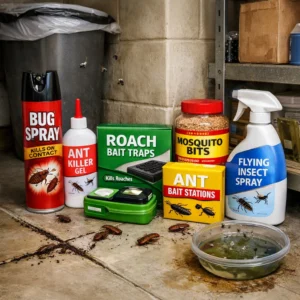
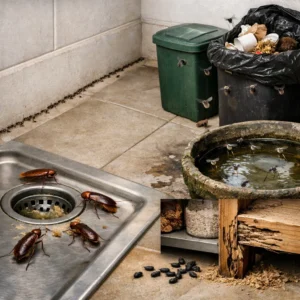
Pest control in Dubai is a practical necessity for homes and businesses operating in a hot, densely built city. High temperatures, complex building structures, and constant human activity create conditions where pest problems can appear quickly and spread if not handled correctly. This guide explains what pest control services in Dubai typically include, why pest issues are common, which pests affect residential and commercial properties most, how to choose a Dubai Municipality–approved provider, what safety standards you should expect, how pricing is usually structured with real examples, and what kind of guarantees or follow-up services are realistic.
Table of Contents
ToggleWhy pest problems are common in Dubai
Dubai’s environment allows pests to thrive throughout the year. Unlike regions with cold seasons that naturally reduce pest activity, Dubai’s warm climate supports continuous breeding cycles.
Several conditions contribute to frequent pest issues:
- Hot climate: High temperatures accelerate insect reproduction and increase daily activity.
- Dense urban living: Apartments, villas, offices, restaurants, and warehouses are often connected through shared walls, ceilings, and service shafts.
- Building design: False ceilings, drainage systems, AC ducts, and utility gaps create hidden nesting and movement pathways.
- Moisture sources: Condensation from air conditioners, plumbing leaks, and bathrooms provide ideal conditions for cockroaches, mosquitoes, and mold.
- Food availability: Frequent food deliveries, shared waste areas, and commercial kitchens increase exposure if hygiene lapses.
Because of these factors, pest control in Dubai is often both a corrective and preventive service.
What pest control services in Dubai typically include
Professional pest control in Dubai follows a structured process. It goes far beyond simple spraying and focuses on identifying causes, not just symptoms.
Most professional services include:
- Initial inspection: Identifying the pest type, infestation level, and affected areas.
- Source detection: Locating entry points, nests, or breeding zones.
- Risk assessment: Evaluating safety concerns for children, pets, food areas, or sensitive environments.
- Targeted treatment: Using pest-specific methods rather than generic chemicals.
- Prevention advice: Guidance on hygiene, storage, moisture control, and minor repairs.
This inspection-first approach is what separates professional pest control from short-term DIY attempts.
Most common pests affecting homes and businesses in Dubai
Cockroaches
Cockroaches are among the most widespread pests in Dubai. They thrive in kitchens, bathrooms, drainage areas, and storage spaces. Beyond being unpleasant, cockroaches can spread bacteria and trigger allergies.
Targeted approaches such as cockroach control focus on hiding areas, entry points, and sanitation rather than surface spraying alone.
Bed bugs
Bed bugs are commonly reported in apartments, hotels, and shared accommodations. They spread through luggage, furniture, and fabrics and are difficult to eliminate without structured treatment.
Professional services like bed bug control emphasize containment and careful handling to prevent spread.
Ants
Ant infestations are common in villas, ground-floor units, and properties near gardens. They follow scent trails and often require colony-level treatment rather than visible removal.
This is why services such as ant control focus on source elimination.
Termites
Termites pose a serious risk in Dubai, especially in villas and properties with wooden elements. Damage often occurs silently and may only be discovered after significant structural impact.
Rodents (rats and mice)
Rats and mice are common near restaurants, warehouses, older buildings, and waste areas. They create health risks through contamination and property damage, including electrical hazards.
Structured approaches like rat control and mouse control focus on exclusion, monitoring, and prevention.
Mosquitoes and flies
Mosquitoes and flies thrive near standing water, gardens, and waste areas. Mosquitoes affect comfort and health, while flies compromise hygiene in food-related environments.
Services such as mosquito control and fly control emphasize breeding-site reduction.
Dust mites and mold-related issues
Dust mites and mold are less visible but directly affect indoor air quality and respiratory health. They are common in humid, poorly ventilated areas.
Specialized services like dust mite control and mold control address these hidden risks.
DIY pest control versus professional pest control in Dubai
DIY pest control may help in very early stages, such as basic cleaning or sealing small gaps. However, Dubai’s climate often makes DIY solutions temporary.
DIY may be reasonable when:
- The infestation is minor and newly noticed
- The pest source is obvious and easy to remove
- No sensitive occupants are involved
DIY usually fails when:
- Pests return within days or weeks
- Multiple rooms or units are affected
- Nests are hidden inside walls or ceilings
- Incorrect chemical use spreads pests or creates resistance
How to choose a Dubai Municipality–approved pest control provider
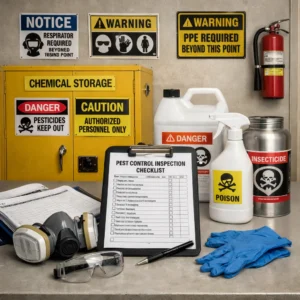
Dubai Municipality approval is essential for pest control services. Approved providers follow regulated standards for technician training, chemical use, and safety.
When selecting a provider, look for:
- Clear compliance with Dubai Municipality requirements
- Trained, uniformed technicians
- Transparent explanation of inspection and treatment steps
- Use of approved products and controlled methods
- Clear safety instructions before and after treatment
Safety standards for families and pets
Professional pest control in Dubai prioritizes safety when applied correctly.
You should expect:
- Clear preparation instructions before treatment
- Protection of food preparation and storage areas
- Guidance on re-entry time if required
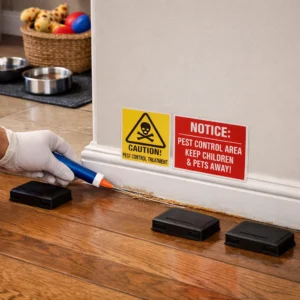
- Special precautions for children, pets, and sensitive individuals
- Ventilation and aftercare advice
Typical pricing structure for pest control in Dubai
Pest control pricing in Dubai is not a single fixed figure. Costs vary depending on pest type, property size, and infestation level. However, understanding real price ranges helps set realistic expectations.
For common residential pest control services such as cockroaches, ants, bed bugs, mosquitoes, or flies, basic apartment treatments often start from around AED 119 for studio apartments. Pricing increases gradually for larger units, such as one-bedroom or two-bedroom apartments, due to wider treatment coverage.
For commercial properties, pricing is typically calculated by area. Basic treatments for small commercial spaces may start from approximately AED 120 for areas up to 50 sqm, with higher costs for larger spaces or facilities with multiple risk zones.
Certain pests require specialized pricing structures. Rodent control may include bait station installation priced per unit, while termite control is usually calculated after a detailed inspection due to potential structural risks. Mold treatment is commonly priced per square meter or running meter, depending on affected surfaces.
All prices represent basic pest control treatment. The final cost is always determined after inspection by a specialist, based on infestation severity, access conditions, and site characteristics. Customers receive a clear estimate before work begins, with no hidden charges.
For the most accurate and up-to-date pricing details, you can review the pricing page, which explains how costs are structured across different services.
What guarantees, follow-up visits, and maintenance plans to expect
Ethical pest control providers avoid unrealistic promises. Pest behavior and environmental conditions mean that long-term control often requires monitoring.
Realistic expectations include:
- Clear explanation of what results to expect and when
- Guidance on normal pest activity after treatment
- Follow-up visits if activity persists
- Optional maintenance or inspection plans for high-risk properties
Preventive pest control for long-term protection
Preventive pest control is often more cost-effective than repeated reactive treatments.
Effective prevention includes:
- Regular inspections of high-risk areas
- Sealing cracks, gaps, and entry points
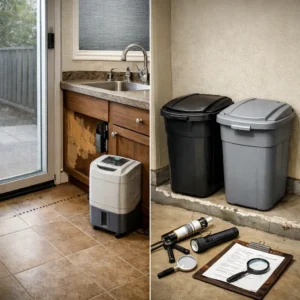
- Moisture control and leak repairs
- Proper waste management
- Consistent hygiene routines
Why acting early matters
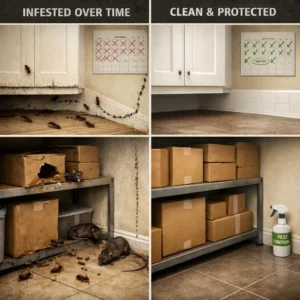
Ignoring early signs often leads to larger infestations and higher costs.
Warning signs that should not be ignored include:
- Daytime insect activity
- Repeated sightings in the same areas
- Bite marks or allergic reactions
- Droppings or unusual odors
- Noises inside walls or ceilings
Pest control in Dubai is not just about eliminating pests but protecting health, property, and long-term costs. All treatments begin with inspection, and final pricing depends on individual site conditions. Checking the pricing page helps you understand current cost structures before making a decision.
Conclusion
Pest control in Dubai requires an understanding of climate, building structures, safety standards, and realistic expectations. By choosing a Dubai Municipality–approved provider, focusing on inspection and prevention, and acting early, homes and businesses can manage pest risks effectively and safely.