Living in a high-density apartment community comes with a specific set of pest risks, and pest control international city is a common need because problems can spread quickly between neighboring units. International City’s cluster-style buildings, shared walls, shared ventilation paths, and common areas make it easier for pests to move silently from one apartment to another. That is why even a “small” issue can become persistent if treatment is not done correctly and consistently.
This guide focuses on the realities of pest control international city for residents and building managers. It explains why bed bugs and cockroaches are especially difficult in cluster living, how to spot early warning signs, what you can do safely before professional treatment, what fast and discreet treatment should look like, what practical constraints matter (parking, access, elevators), how pricing typically works for studio and one-bedroom apartments with clear numbers, and why coordinated or cluster-wide treatment often reduces reinfestation. It also covers municipality and building-management compliance, licensing, and safety practices that protect families and pets in tightly connected buildings.
Table of Contents
ToggleWhy high-density cluster living changes pest control international city
In many residential areas, pests are contained within a single home or building. International City is different because cluster-style living increases the number of shared connections. These shared connections become “hidden highways” for pests.
Common ways pests spread in cluster buildings include:
- Shared walls and wall voids: Small gaps behind cabinets, around pipes, or inside plaster can connect units.
- Bathroom and kitchen plumbing lines: Roaches move through drain networks and pipe chases.
- Ventilation and AC pathways: Openings near ducts and vents can allow movement between apartments.
- Common corridors and stairwells: Pests can travel with foot traffic, deliveries, and waste movement.
- Trash rooms, chutes, and waste collection zones: Food residue and moisture attract pests and keep them active.
This is why pest control international city often requires a more disciplined approach: the goal is not only to treat one unit, but to reduce the pathways and conditions that allow the problem to keep coming back.
The two most persistent problems: bed bugs and cockroaches
While International City can face many pest types, two problems tend to cause the most stress for residents and the most repeat complaints for buildings: bed bugs and cockroaches. Both are persistent, both can spread between units, and both require a method that goes beyond “spray and hope.”
Why bed bugs are hard in cluster-style buildings
Bed bugs are not caused by “dirty homes.” They can enter any apartment through luggage, second-hand furniture, visitors, shared laundry movement, or even neighboring units if there are gaps in walls and electrical outlets. In cluster buildings, a single untreated unit can become a source that repeatedly reintroduces bed bugs to nearby apartments.
Bed bugs are difficult because they:
- Hide in mattress seams, bed frames, sofas, and behind wall fixtures.
- Can survive for long periods without feeding, which makes “waiting them out” ineffective.
- Spread easily when people move items from room to room during DIY attempts.
- Often require thorough inspection and repeat checks to confirm control.
Why cockroaches are hard in cluster-style buildings
Cockroaches thrive where there is food residue, moisture, and warmth—conditions that can exist in kitchens, bathrooms, behind appliances, under sinks, and along drain lines. In International City’s building layouts, cockroaches can move between units through drains and pipe gaps even when a single apartment is cleaned well.
Cockroaches are difficult because they:
- Hide in tight spaces (behind cabinets, inside motor compartments, under sinks).
- Travel through drain networks and shared service shafts.
- Reproduce quickly in warm environments.
- Can become resistant when household sprays are used repeatedly without strategy.
Effective pest control international city for these two pests must be targeted, safe, and supported by prevention—otherwise reinfestation is common.
Early signs you should not ignore
In high-density buildings, early action matters. Waiting can allow the problem to spread outward and increase both discomfort and cost.
Bed bug warning signs
- Small itchy bites, often in lines or clusters, especially after sleeping.
- Tiny dark spots on sheets (possible droppings).
- Small blood stains on bedding.
- Musty odor near beds or sofas in heavier infestations.
- Visible insects in mattress seams or bed frame joints.
Cockroach warning signs
- Roaches seen at night when lights turn on.
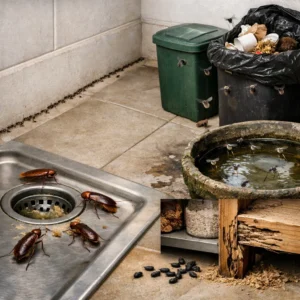
- Small pepper-like droppings near cabinets or appliances.
- Egg cases (ootheca) in hidden corners.
- Unpleasant odor in kitchen cabinet areas.
- More frequent sightings around drains and under sinks.
If you notice these signs, pest control international city is usually more successful when started early rather than after repeated DIY cycles.
What you can do safely before professional treatment
DIY steps can help reduce pest pressure and support professional treatment, especially if the infestation is still mild. The key is to focus on safe, practical actions rather than heavy chemical use.
Safe steps for cockroaches
- Deep clean grease zones: Focus on stove sides, backsplash edges, and cabinet handles.
- Dry moisture points: Fix leaks, wipe sinks, and keep sponges dry.
- Seal food: Use airtight containers, including for pet food.
- Reduce hiding places: Remove cardboard, old bags, and clutter under sinks.
- Cover drains at night: Use drain covers where possible (especially kitchen).
Safe steps for bed bugs
- Reduce movement of items: Avoid carrying bedding or clothes through the home uncovered.
- Heat-wash textiles: Wash bedding and clothing in hot water if fabric allows, then dry thoroughly.
- Use sealed bags: Store treated items in sealed bags to prevent recontamination.
- Vacuum carefully: Vacuum mattress seams and sofa edges, then dispose of vacuum contents sealed.
- Inspect sleeping areas: Check bed frames, headboards, and nearby furniture joints.
These steps are helpful, but they do not replace professional treatment when bed bugs or roaches are established or spreading.
Where DIY usually fails in International City buildings
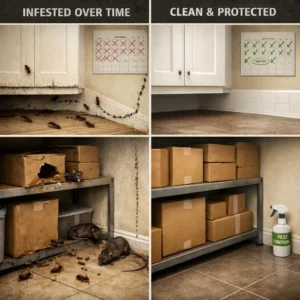
DIY fails most often in cluster buildings because the environment is interconnected. You may treat your apartment well, but pests can return through shared building pathways or from untreated neighboring units.
DIY commonly fails when:
- Roaches are traveling through drains and pipe chases from other units.
- Bed bugs are present in multiple rooms or multiple apartments in the cluster.
- Household sprays are used repeatedly, pushing pests deeper into hiding spots.
- Infestation severity is underestimated (only the “visible” pests are treated).
- Prevention steps are not coordinated with the building’s overall conditions (trash rooms, corridors, shared areas).
At this stage, calling a licensed provider for pest control international city becomes the safer and more cost-effective decision.
What fast and discreet treatment should look like
In International City, many residents want treatment to be fast and discreet—especially in shared buildings where privacy matters and neighbors are close. A professional approach can support that without sacrificing quality.
Fast and discreet treatment should include:
- Appointment scheduling that respects building flow: Minimizing time in corridors and elevators.
- Clear preparation instructions: So the visit is efficient and not delayed by confusion.
- Targeted application: Treating key zones rather than “spraying everything.”
- Controlled product use: Low-odor methods when appropriate, especially in family homes.
- Professional conduct: Technicians who work neatly and communicate calmly.
Discreet does not mean rushed. It means organized, respectful, and accurate.
Practical constraints in International City: access, parking, elevators
One reason local familiarity matters for pest control international city is the practical reality of the area. Cluster buildings can have limited visitor parking, time-based access restrictions, and elevator constraints. A provider who understands these constraints can plan better and reduce disruption.
Why building access planning matters
- Parking availability: If parking is limited, appointment timing affects technician arrival and equipment movement.
- Security and building rules: Some buildings require registration, ID checks, or management notification.
- Elevator usage: Moving equipment through elevators must be done safely and efficiently.
- Service elevator or restricted hours: Some clusters manage service movement at specific times.
A well-run pest control visit often looks “simple” from the resident’s perspective because planning was done properly.
Municipality and building-management compliance
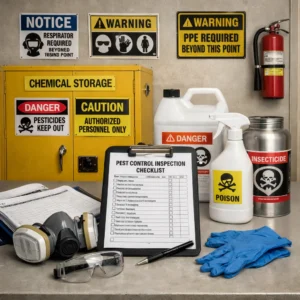
Compliance is not only a government requirement. In high-density buildings, building management often requires pest control to follow specific standards for safety, documentation, and coordination. Municipality-approved and licensed practices help ensure treatments are both lawful and safe for occupants.
Compliance helps with:
- Using approved products and correct application methods.
- Reducing health risks for families, children, and pets.
- Supporting building-management standards for resident safety.
- Providing clearer reporting and documentation if needed.
For residents, the benefit is simple: compliance reduces risk and increases the chance of lasting control.
General pricing expectations for studio and one-bedroom units
Pricing is a common question when residents look for pest control international city. In practice, cost depends on pest type, apartment size, infestation severity, and whether follow-up is needed. However, having clear baseline numbers helps set expectations.
Below are basic treatment pricing references commonly used for apartment pest treatment:
Bed bug treatment pricing (residential apartments)
| Apartment Type | Basic Treatment Price (AED) |
|---|---|
| Studio | 119 |
| 1-bedroom apartment | 139 |
Cockroach treatment pricing (residential apartments)
| Apartment Type | Basic Treatment Price (AED) |
|---|---|
| Studio | 119 |
| 1-bedroom apartment | 139 |
These prices are for basic pest control treatment. The final price is determined after a specialist reviews the apartment’s conditions and infestation level, especially in cluster buildings where reinfestation pressure may be higher. Residents should also expect clear explanation and approval before any work starts.
For updated and complete pricing references (including larger apartments, commercial spaces, outdoor treatments, and specialized cases), it is reasonable to check the pricing page directly: https://official-pest-control.ae/prices/.
Why bed bug and cockroach pricing can change in cluster buildings
In International City clusters, bed bugs and cockroaches can be more persistent because the building environment is connected. This does not mean treatment is always expensive, but it does mean inspection matters.
Cost can change based on:
- Infestation severity: A few signs in one room differs from spread across multiple rooms.
- Reinfestation pressure: If pests are coming from shared pathways or neighboring units, prevention and coordination may be needed.
- Clutter level: Heavy clutter increases hiding places and makes treatment more complex.
- Access points: Drains, pipe gaps, and ventilation openings influence how treatment is planned.
In other words, pricing is not only about square meters—it is about the real work required to control the problem safely.
Coordinated or cluster-wide treatment: why it often works better
One of the most effective strategies for pest control international city is coordination. When bed bugs or cockroaches are moving between units, treating a single apartment can provide relief, but it may not stop reinfestation if the source remains active nearby.
Coordinated treatment can help because it:
- Reduces the “untreated reservoir” that keeps reintroducing pests.
- Improves timing consistency, so pests have fewer safe places to retreat.
- Supports building-wide prevention improvements (trash areas, corridors, service zones).
- Creates a clearer plan with building management for access and safety.
Cluster-wide coordination is especially valuable for cockroaches (shared drains and shafts) and bed bugs (movement through adjacent living spaces or shared items). When coordination is possible, the success rate is often higher and long-term disruption is lower.
Safety for families, children, and pets in tightly connected apartments
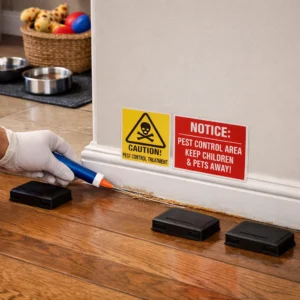
Safety matters more in high-density living because treatments can affect not only one unit but also shared air and movement zones. Licensed and safe treatment methods reduce these risks.
Residents should expect:
- Clear preparation instructions: What to move, cover, or store safely before treatment.
- Food-area protection: Especially kitchens, pantry shelves, and pet feeding zones.
- Pet precautions: Guidance for cats, dogs, birds, and aquariums if applicable.
- Re-entry guidance: When it is safe to resume normal use of treated areas.
- Aftercare support: What to monitor in the days following treatment.
Responsible pest control focuses on controlling pests while minimizing unnecessary exposure for people and pets.
Eco-friendly or low-toxicity options in residential settings
Many residents prefer eco-friendly or low-toxicity approaches when possible—especially in apartments with children, pets, or sensitive occupants. In practice, “eco-friendly” does not mean weak. It often means using a smarter method: targeted application, controlled exposure, and strong prevention.
Eco-conscious approaches may include:
- Targeted treatment rather than broad spraying.
- Reduced-odor products when suitable.
- Integrated pest management steps (exclusion, sanitation, monitoring).
- Practical prevention recommendations that reduce chemical dependence long-term.
A professional can explain which methods are suitable for bed bugs and cockroaches in your specific apartment conditions.
Follow-ups and realistic service expectations
In cluster living, follow-ups can matter because reinfestation pressure may be higher. A responsible provider should set realistic expectations and explain what you should see after treatment.
Reasonable follow-up expectations include:
- Guidance on what activity is normal immediately after treatment.
- Advice on what signs indicate improvement versus reinfestation.
- Follow-up visits when needed, especially for persistent bed bug cases.
- Prevention recommendations that reduce the chance of return.
Long-term success usually comes from a combination of correct treatment plus practical prevention habits.
Long-term prevention that works in International City apartments
Even after successful treatment, prevention is essential in high-density areas. Small habits and minor home fixes often make a real difference.
Prevention tips for cockroaches
- Wipe sinks dry at night and fix leaks quickly.
- Seal gaps around pipes under sinks and behind toilets.
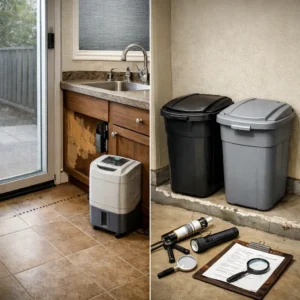
- Empty trash regularly and keep bin lids closed.
- Clean under and behind appliances when possible.
- Avoid leaving food out overnight, including pet food.
Prevention tips for bed bugs
- Be cautious with second-hand furniture and inspect before bringing it inside.
- Use sealed bags for travel laundry and wash quickly after trips.
- Reduce clutter around beds and sofas to reduce hiding places.
- Monitor sleeping areas periodically, especially after visitors or travel.
- Act early if bites or signs appear—delay increases spread risk.
Prevention is not about perfection. It is about reducing the conditions that give pests an advantage.
When it makes sense to stop guessing and get professional help
In International City, it is common for people to try DIY first. That is understandable. But when bed bugs or cockroaches keep returning, professional help often becomes the faster, safer, and ultimately more cost-effective step.
It is time to consider professional pest control international city help when:
- Roaches appear repeatedly even after cleaning and spraying.
- Bed bug bites persist for more than a few days.
- Multiple rooms show signs of activity.
- You suspect pests may be spreading between neighboring units.
- You want discreet treatment and clear guidance without trial-and-error.
At this point, the goal is not just to reduce visible pests—it is to control the source and prevent reinfestation.
In tightly connected residential environments, leaving pests untreated can create real risks over time: bites and skin irritation, allergies and asthma triggers, contamination of food areas, unpleasant odors, damage to furniture, and in some cases wiring or structural issues when infestations expand. First Station Pest Control Services handles complex cases with inspection-led, licensed, and safe treatment methods designed for cluster-style buildings. If you want a clear plan instead of repeated guessing, use the WhatsApp or Call button at the top right of the article to discuss your apartment situation calmly, including what treatment approach and pricing (such as AED 119 for studio and AED 139 for one-bedroom basic treatments) may apply after inspection, and how to reduce the chance of reinfestation in a high-density cluster.
Conclusion
pest control international city requires a practical approach because cluster buildings allow pests to spread through shared pathways. Early action, safe methods, and coordinated treatment help control bed bugs and cockroaches more reliably. Clear inspection and compliance reduce reinfestation risk.