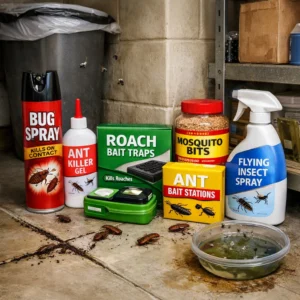
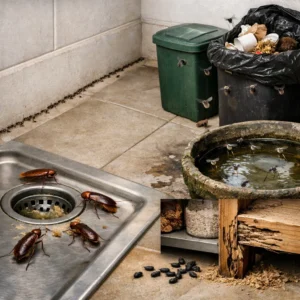
Pest control medicine plays a key role in managing pest infestations in both residential and commercial environments. Whether you’re dealing with ants in the kitchen, cockroaches under the sink, or rodents invading your property, choosing the right pest control medicine can make a significant difference in eliminating the problem. However, with so many products available on the market, it’s essential to understand their correct usage, safety precautions, and environmental impact. In this article, we’ll cover the essential safety considerations for handling pest control medicine, how to choose the right treatment for specific pests, and how to apply it effectively and responsibly.
Table of Contents
ToggleSafety First: Understanding the Importance of Proper Handling
Using pest control medicine can be effective, but it also requires careful handling to avoid unintended health risks. Many pest control products contain chemicals that can be harmful to humans, pets, and the environment if not used properly. Therefore, it is crucial to follow safety guidelines for safe application, storage, and disposal of these products.
Reading Labels and Understanding Instructions
Before using any pest control medicine, always read the label carefully. The label contains crucial information, such as the active ingredients, the type of pests the product targets, and specific safety instructions. These instructions are legally required and should be followed closely to ensure the safety of everyone in the area.
Key information on labels includes:
- Active ingredients: These are the chemicals responsible for killing or repelling pests. Common active ingredients include pyrethroids, boric acid, and neonicotinoids.
- Application methods: Labels often specify whether the product is a ready-to-use spray, powder, or concentrate that requires dilution.
- Safety precautions: These include recommendations for protective gear such as gloves, goggles, or masks, as well as instructions for use around children and pets.
- Storage and disposal: Always follow the guidelines for proper storage (away from children or pets) and disposal (usually at a hazardous waste facility).
Using Protective Gear
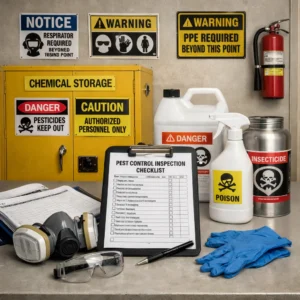
When handling pest control medicine, especially chemical-based products, wearing protective gear is essential. This can help prevent accidental exposure and minimize health risks. Common protective gear includes:
- Gloves: Prevent skin contact with potentially harmful chemicals.
- Safety glasses or goggles: Protect your eyes from splashes and fumes.
- Mask or respirator: Helps protect you from inhaling harmful fumes or dust, especially when spraying or applying powders.
Even if the product is labeled as safe for home use, always follow safety recommendations and use protective gear whenever necessary.
Handling Pest Control Medicine Around Children and Pets
Children and pets are particularly vulnerable to the harmful effects of pest control medicines. To keep them safe:
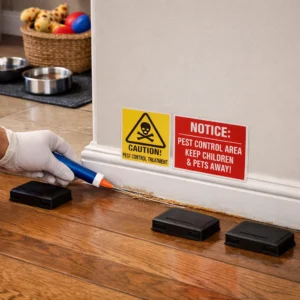
- Always apply pest control medicine when children and pets are not in the area.
- Keep pest control products stored in a secure, childproof location.
- If using a product in an area that children or pets frequent, ensure that it is safe once dry or settled.
For households with young children or pets, consider non-toxic, botanical pest control products or consult with a professional pest control service to avoid risks.
Correct Storage and Disposal
Storing and disposing of pest control medicine correctly helps protect the environment and reduces the risk of accidental exposure. Follow these practices:
- Storage: Store all pest control products in their original containers, tightly sealed, and out of the reach of children and pets. Keep them in a cool, dry place, away from food or other chemicals.
- Disposal: Never pour pest control medicine down drains or toilets. Check local guidelines for hazardous waste disposal and use authorized collection centers to safely dispose of leftover or expired products.
Choosing the Right Pest Control Medicine for the Job
Choosing the correct pest control medicine depends on the type of pest you are trying to control and the environment where you are using it. Not all products work for all types of pests, so identifying the specific pest is the first step in the process.
Identifying the Pest
Before using pest control medicine, it is essential to correctly identify the pest. Different pests have different behaviors, habitats, and weaknesses. Some pests, like cockroaches, prefer damp, hidden areas, while others, like ants, follow scent trails to food sources. Understanding these behaviors helps you choose the most effective product for the job.
Targeted Application vs. Broad Spraying
Targeted application is always preferred over broad spraying. By focusing on specific areas where pests are present or likely to hide, you reduce the amount of pesticide used and limit exposure to non-target areas.
For example, if you are dealing with a cockroach infestation, focus on cracks, crevices, and other hiding spots. Spraying the entire room can be wasteful and unnecessary, while a targeted approach delivers more effective results.
Ready-to-Use vs. Concentrated Pest Control Products
When selecting pest control medicine, you will typically choose between ready-to-use products and concentrated solutions. Both have their advantages depending on the situation:
Ready-to-Use Products
Ready-to-use products are convenient and require little preparation. They are available as sprays, traps, or powders that are ready for immediate application. These products are often preferred for small infestations or preventive measures. Examples include:
- Ant or cockroach baits
- Pre-filled insecticide sprays
- Sticky traps for rodents or flies
While convenient, ready-to-use products tend to be less concentrated, and you may need to apply more frequently for effective control, especially with larger infestations.
Concentrated Products
Concentrated products offer higher potency and are often more cost-effective for larger-scale or recurring infestations. These products usually require dilution with water before application and are more commonly used by professionals. Some examples of concentrated products include:
- Liquid insecticides or rodenticides
- Powdered insecticides
- Fumigants for heavy infestations
Concentrated products provide more lasting control but require careful measurement and mixing to avoid misuse.
Commonly Used Active Ingredients in Pest Control Medicine
Pest control medicines rely on a variety of active ingredients to kill or repel pests. Here are some commonly used ingredients and how they work:
Pyrethroids
Pyrethroids are synthetic chemicals that mimic the effects of pyrethrins, which are derived from chrysanthemum flowers. They disrupt the nervous system of insects, causing paralysis and death. Pyrethroids are commonly used to control cockroaches, ants, mosquitoes, and flies.
Boric Acid
Boric acid is a low-toxicity ingredient that is effective against ants, cockroaches, termites, and other pests. It works by dehydrating insects and damaging their exoskeleton. Boric acid is often used in bait stations and dust formulations.
Neonicotinoids
Neonicotinoids target the nervous system of insects and are commonly used in pest control for termites, fleas, and ants. They are more toxic to insects than humans or pets but require careful application to avoid harm.
Diatomaceous Earth
Diatomaceous earth is a natural, non-toxic option made from the fossilized remains of tiny aquatic organisms. It works by physically damaging the exoskeletons of insects, causing them to dry out and die. It is often used for flea, bed bug, and ant control.
Integrated Pest Management (IPM) Principles
Integrated Pest Management (IPM) is a holistic approach to pest control that focuses on preventing and reducing pest problems through a combination of strategies.
IPM principles include:
- Sanitation: Keeping environments clean and removing food and water sources that attract pests.
- Exclusion: Sealing cracks and gaps in walls, windows, and doors to prevent pests from entering.
- Biological control: Using natural predators to control pest populations (e.g., introducing ladybugs to control aphids).
- Non-chemical methods: Traps, barriers, and other physical pest control measures.
- Chemical control: Using pesticides only when necessary, as a last resort, and applying them in targeted areas.
IPM methods help reduce the reliance on chemical pesticides, which benefits both the environment and human health.
Lower-toxicity and Botanical Pest Control Options
For households with children, pets, or sensitive individuals, lower-toxicity and botanical pest control options are often the best choice. These products use natural ingredients to control pests while minimizing risks to health.
Examples of lower-toxicity and botanical options include:
- Essential oils: Some oils, such as peppermint, lavender, and citronella, repel insects naturally.
- Botanical insecticides: Plant-derived products like neem oil and diatomaceous earth.
- Insecticidal soaps: Soaps made from fatty acids, which work by breaking down the pest’s exoskeleton.
These options are less toxic but may require more frequent applications for effective results.
When Professional Pest Control Intervention is the Smarter Choice
DIY pest control can work for early-stage infestations, but when the problem escalates, expert intervention is often the safer, more effective choice. A professional pest control service is equipped with the tools, knowledge, and experience to tackle large, widespread infestations and ensure that pests do not return.
Signs that professional pest control is necessary:
- The infestation is widespread or growing
- DIY treatments have failed
- Health concerns arise (e.g., bites, allergies, or rashes)
- Visible damage to property or wiring
- Continuous pest activity despite preventive measures
Conclusion
Pest control medicine is a powerful tool when used correctly, but it is important to understand the proper use, safety measures, and environmental impact of any treatment. Whether you’re dealing with a minor issue or a serious infestation, following guidelines for proper application, choosing the right treatment, and knowing when to seek professional help are essential to controlling pest problems effectively and safely.