Pest problems often appear suddenly and create stress, especially when they involve health risks, property damage, or disruption to daily activities. In these moments, many people immediately look for a pest control number so they can speak to a professional as quickly as possible. Whether the issue happens at home, in an office, or at a commercial property, having fast access to the right contact can make a significant difference in how the situation is handled.
This article explains how to find and use a pest control number efficiently, what response times you should realistically expect, what actions can be taken safely while waiting for professional help, and how pricing is usually communicated with real examples. It also covers trust and licensing, basic pest identification, the difference between DIY measures and professional treatment, warning signs that expert intervention is necessary, and practical prevention advice once the immediate problem is resolved.
Table of Contents
ToggleWhy having a pest control number matters
Pest issues rarely wait for a convenient time. Cockroaches may appear at night, rodents may be heard inside walls, or bed bug bites may be noticed early in the morning. In commercial settings, a single pest sighting can raise hygiene concerns or disrupt operations.
Having a reliable pest control number allows you to:
- Get immediate advice on what to do next
- Arrange an inspection quickly
- Understand whether the situation is urgent
- Reduce panic by speaking with a professional
- Prevent the problem from escalating
Quick access does not mean rushed treatment. It means starting the process early and correctly.
How to find and use a pest control number quickly
When pests are discovered, the priority is reaching a service provider without delay. Most professional pest control companies make their pest control number easy to find and use.
Common places to locate a pest control number include:
- The top of the company website, often visible on every page
- A dedicated “Call” or “WhatsApp” button for mobile users
- Service pages related to specific pests
- Local business listings and verified directories
When calling a pest control number, it helps to be prepared. Try to explain:
- The type of pest you are seeing (if known)
- Where the activity is happening
- How often the pest appears
- Whether children or pets are present
- If the issue is affecting a business environment
This information helps the team assess urgency and guide you on the next steps.
Emergency situations and response availability
Not all pest issues are emergencies, but some situations require faster attention. Professional pest control services often operate with extended availability, especially for urgent cases.
Situations that may require immediate response include:
- Rodents actively moving in living or food areas
- Heavy cockroach activity in kitchens or bathrooms
- Bed bugs causing bites and spreading rapidly
- Pests affecting restaurants, clinics, or workplaces
- Signs of termites causing visible structural damage
Response times can vary, but typically:
- Initial contact is handled the same day
- Inspection may be scheduled within 24 to 48 hours
- Urgent cases may receive priority handling
A clear pest control number ensures you are not searching blindly during a stressful situation.
What to do safely while waiting for professional help
While waiting for a technician to arrive, there are several safe steps you can take to limit risk and prevent the situation from worsening. These steps do not replace professional treatment, but they help contain the problem.
Containment and hygiene
- Seal food in airtight containers
- Clean spills, crumbs, and grease immediately
- Take trash out and keep bins closed
- Limit access to affected rooms if possible
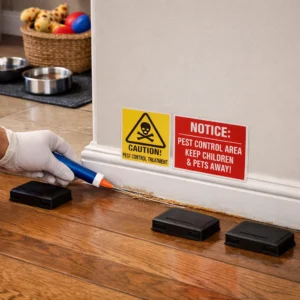
Safety precautions for children and pets
- Keep children away from affected areas
- Do not allow pets to sniff or touch pests
- Avoid using strong household chemicals
- Ventilate rooms if odors are present
Preserving evidence for identification
Correct pest identification helps speed up treatment.
- Take clear photos or short videos of the pest
- Note the time and location of sightings
- Avoid crushing insects beyond recognition
- Do not clean away droppings or damage before inspection
Basic pest identification guidance
You do not need to be an expert, but basic identification helps communicate the issue clearly when using a pest control number.
Cockroaches
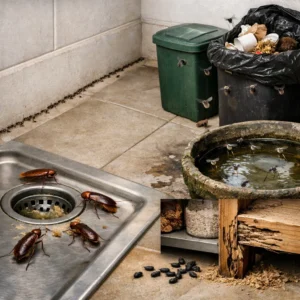
Usually seen at night, near drains, kitchens, or bathrooms. Small droppings and musty odors are common signs.
Bed bugs
Small reddish-brown insects hiding in mattresses, seams, and furniture. Bites often appear in clusters or lines.
Ants
Visible trails leading to food or water. Often return quickly after surface cleaning.
Rodents
Scratching noises, droppings, gnaw marks, and damaged wiring or packaging.
Termites
Hollow-sounding wood, mud tubes, or damaged wooden structures.
Mosquitoes and flies
Active around standing water, waste areas, or open food sources.
Trust and transparency when calling a pest control number
Trust begins with the first call. A professional response should feel calm, informative, and transparent.
Signs of a trustworthy service include:
- Clear answers to your questions
- No pressure to book without inspection
- Explanation of next steps
- Discussion of safety measures
- Honest communication about pricing
Licensed and municipality-approved pest control practices ensure treatments are safe, legal, and effective.
How pricing is usually communicated
Pricing is one of the most common concerns when calling a pest control number. Professional services communicate costs clearly, usually after understanding the situation.
Pricing depends on several factors:
- Type of pest
- Size of the property
- Severity of infestation
- Indoor or outdoor treatment
- Specialized equipment or materials
Real pricing examples
For residential insect treatment such as cockroaches, ants, bed bugs, mosquitoes, or flies:
- Studio apartment: AED 119
- 1-bedroom apartment: AED 139
- 2-bedroom apartment: AED 179
- 3-bedroom apartment: AED 211
- 4-bedroom apartment: AED 238
- 5-bedroom apartment: AED 287
For rodent control in residential apartments:
- Studio apartment: AED 79
- 1-bedroom apartment: AED 109
- 2-bedroom apartment: AED 139
- 3-bedroom apartment: AED 159
- 4-bedroom apartment: AED 189
- 5-bedroom apartment: AED 219
For termite treatment in residential apartments:
- 1-bedroom apartment: AED 300
- 2-bedroom apartment: AED 550
- 3-bedroom apartment: AED 800
- 4-bedroom apartment: AED 1050
- 5-bedroom apartment: AED 1300
All prices above represent basic pest control treatment. The final price is confirmed after inspection based on the specific conditions of the site.
DIY measures versus professional intervention
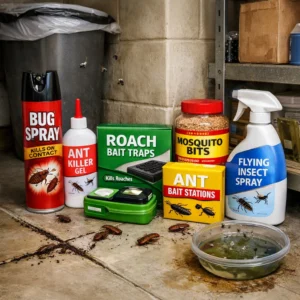
DIY methods may help at a very early stage, but they have clear limitations.
When DIY can help
- Minor, early-stage pest activity
- Preventive cleaning and sealing
- Temporary containment while waiting for professionals
When professional help is necessary
- Repeated pest sightings
- Multiple rooms affected
- Pests active during the day
- Health symptoms or bites
- Business or hygiene concerns
Professional treatment addresses hidden nests, breeding areas, and structural access points that DIY methods cannot reach.
Key warning signs that expert help is needed
- Pests returning within days of DIY treatment
- Visible droppings or damage
- Noises inside walls or ceilings
- Unexplained bites or allergic reactions
- Strong odors or signs of decay
Preventive advice after the issue is resolved
Once pest activity is under control, prevention becomes the priority.
- Maintain regular cleaning routines
- Fix leaks and moisture issues
- Seal gaps and cracks
- Schedule periodic inspections
- Respond quickly to early signs
A calm and practical next step
Pest issues can happen in any home or business and are not a sign of poor hygiene. What matters most is how quickly and responsibly the situation is handled. Having access to a reliable pest control number allows you to get guidance, understand pricing clearly, and take the right action before the problem escalates.
First Station Pest Control Services supports customers through clear communication, licensed treatment practices, transparent pricing, and structured follow-up when needed. If you are unsure how serious the issue is, calling or messaging allows you to discuss the situation calmly and decide on the safest next step.
Conclusion
A pest control number is more than just a contact detail. It is the first step toward protecting health, property, and peace of mind. By knowing how to use it effectively, understanding pricing and safety expectations, and recognizing when professional help is needed, pest problems can be managed quickly and responsibly.