pest control schools play a critical role in shaping how pest control is carried out in sensitive environments, especially schools, childcare centers, and other facilities where children and staff spend long hours every day. Pest control in school environments is not the same as pest control in ordinary residential or commercial spaces. The health risks, legal responsibilities, and safety expectations are significantly higher, which is why proper education, training, and certification matter.
This article explains why pest control in school environments carries higher stakes, what pest control schools typically teach, how different training paths compare, what practical learning elements are essential, and how pest control education is evolving to meet modern safety, environmental, and reporting standards.
Table of Contents
ToggleWhy pest control in school environments has higher stakes
Schools are unique environments. They are occupied by children of different ages, teachers, administrative staff, and sometimes visitors, all of whom may be exposed to pest control activities if they are not handled correctly. Unlike many workplaces, children are more vulnerable to health risks due to their developing immune systems and behaviors such as touching surfaces and putting hands in their mouths.
This is why pest control schools emphasize that school environments carry higher health, safety, and legal responsibilities. A single mistake in pest treatment can have consequences far beyond temporary discomfort.
Key reasons why pest control in schools requires special attention include:
- Children are more sensitive to chemical exposure
- Classrooms, cafeterias, and playgrounds are high-contact areas
- Schools must comply with strict local and national regulations
- Parents expect transparency and accountability
- Incidents can lead to legal action or reputational damage
Because of these factors, pest control schools stress that school pest control is not about quick elimination but about safe, documented, and well-planned control.
Health and safety responsibilities in school pest control
One of the main topics covered in pest control schools is the responsibility pest control professionals carry when working in educational environments. Treatments must be designed to minimize exposure while still controlling pest activity effectively.
Health and safety considerations commonly discussed include:
- Timing treatments outside school hours
- Using low-toxicity or non-chemical control methods when possible
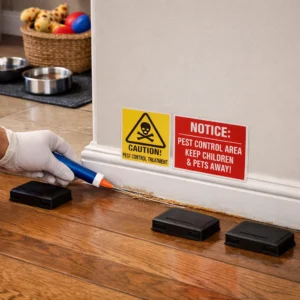
- Restricting access to treated areas until safe
- Proper ventilation after treatment
- Clear communication with school administrators
Pest control schools teach that safety planning is not optional in schools; it is a fundamental requirement.
Legal and regulatory compliance for pest control in schools
Schools are often subject to stricter regulations than other facilities. Pest control schools emphasize the importance of understanding and following these rules to avoid violations.
Regulatory compliance topics typically include:
- Approved pesticide lists for school environments
- Restrictions on application methods
- Notification requirements for parents and staff
- Documentation and record-keeping standards
- Inspection and audit readiness
Failure to comply with these requirements can result in fines, service bans, or loss of professional licensing.
The role of training and certification for pest control professionals
Pest control schools exist to ensure that professionals understand not only how to control pests, but how to do so responsibly. Certification and structured training help ensure consistency, accountability, and safety across the industry.
Well-trained professionals are expected to:
- Identify pests accurately before choosing a treatment
- Understand pest behavior and life cycles
- Select appropriate control methods for sensitive environments
- Communicate clearly with school administrators
- Maintain proper records and reports
Pest control schools reinforce that training is not a one-time requirement but an ongoing process.
What pest control schools typically teach
Although programs vary, most pest control schools cover a core set of topics designed to prepare professionals for real-world scenarios.
Pest biology and identification
Accurate identification is the foundation of effective pest control. Pest control schools teach students how to recognize common school-related pests such as cockroaches, ants, rodents, flies, mosquitoes, termites, and stored-product pests.
Training includes:
- Understanding pest life cycles
- Recognizing signs of infestation
- Differentiating similar species
- Identifying nesting and breeding areas
Integrated Pest Management (IPM) principles
IPM is a central concept in modern pest control education. Pest control schools emphasize IPM because it focuses on prevention, monitoring, and minimal chemical use.
IPM principles include:
- Regular inspections and monitoring
- Sanitation and exclusion measures
- Physical and mechanical controls
- Targeted chemical use only when necessary
For schools, IPM helps reduce exposure risks while maintaining effective pest control.
Chemical safety and sensitive-environment regulations
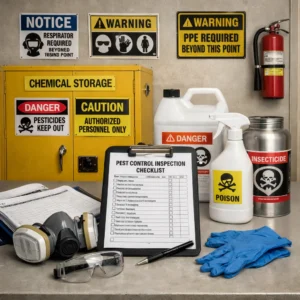
When chemicals are used, they must be applied correctly and legally. Pest control schools teach proper handling, storage, and application of pesticides, with special focus on sensitive environments like schools.
Topics often include:
- Reading and following product labels
- Understanding toxicity levels
- Personal protective equipment (PPE)
- Safe disposal procedures
- Emergency response protocols
Inspection procedures and risk assessment
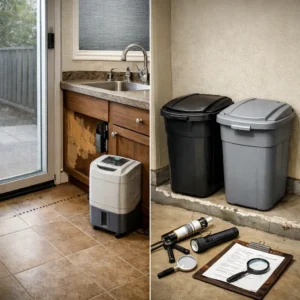
Pest control schools train students to conduct thorough inspections before recommending treatment. In schools, inspections must be systematic and minimally disruptive.
Inspection training may cover:
- Classrooms and offices
- Cafeterias and food storage areas
- Playgrounds and outdoor spaces
- Waste management zones
- Building entry points and structural gaps
Documentation and reporting skills
Documentation is especially important in school pest control. Pest control schools teach how to maintain clear, accurate, and compliant records.
Documentation skills include:
- Inspection reports
- Treatment logs
- Chemical usage records
- Follow-up recommendations
- Compliance documentation
Communication and professional conduct
In school settings, pest control professionals interact with administrators, teachers, and sometimes parents. Pest control schools often include training on professional communication.
This may involve:
- Explaining pest risks clearly
- Discussing treatment plans transparently
- Answering safety-related questions
- Providing reassurance without making unrealistic promises
Comparing different pest control education and training paths
There is no single path into pest control education. Pest control schools exist in various forms, each with its own strengths.
Certification programs
Certification programs are often required to legally practice pest control. These programs focus on regulations, safety, and core technical knowledge. Duration is usually short to medium term, and costs are generally moderate.
Institutional or vocational courses
Some institutions offer formal courses in pest management. These programs may be longer and more comprehensive, covering theory, science, and practical skills. They often involve higher time and cost commitments.
Industry-led training programs
Industry-led training is often provided by pest control companies or suppliers. These programs focus on practical application, real equipment, and field-tested methods.
Hands-on mentorship and apprenticeships
Mentorship-based learning pairs new technicians with experienced professionals. Pest control schools often emphasize that this hands-on exposure is invaluable, especially for school environments.
The importance of practical and interactive learning
The most effective pest control schools go beyond lectures. Practical learning helps students apply knowledge safely and confidently.
Interactive elements may include:
- Pest identification exercises
- Mock inspections
- Case studies of school infestations
- Use of visual tools and monitoring devices
- Simulated reporting and documentation tasks
These elements prepare professionals for real-world decision-making.
Cost and duration expectations for pest control education
Pest control schools vary widely in duration and cost depending on the training path chosen. Short certification programs may take weeks, while comprehensive courses or apprenticeships may take months.
Costs also vary based on:
- Program depth and accreditation
- Inclusion of practical training
- Materials and examination fees
- Ongoing certification requirements
While exact pricing differs, pest control schools emphasize that investing in proper training reduces long-term risk and improves professional credibility.
Future trends in school pest control education
Pest control education continues to evolve. Pest control schools are increasingly adapting to new technologies and expectations.
Emerging trends include:
- Greater focus on eco-friendly and low-toxicity methods
- Use of smart monitoring and digital traps
- Data-driven inspection and reporting tools
- Stronger emphasis on transparency and documentation
- Ongoing professional development requirements
These trends aim to improve safety, accountability, and effectiveness, especially in school environments.
Why proper education matters for long-term safety
Pest control in schools is not just about eliminating pests; it is about protecting children, staff, and institutions. Pest control schools play a crucial role in ensuring that professionals understand their responsibilities and are equipped to meet high standards.
Well-trained professionals help schools:
- Reduce health risks
- Maintain regulatory compliance
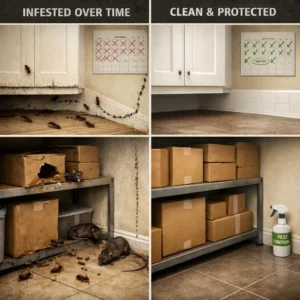
- Prevent recurring infestations
- Build trust with parents and staff
Conclusion
pest control schools are essential to maintaining safe and effective pest control in educational environments. By focusing on proper training, certification, practical learning, and evolving best practices, these schools help ensure that pest control in schools is carried out responsibly, safely, and with long-term effectiveness in mind.