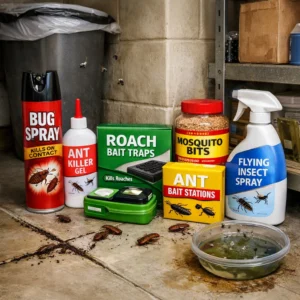
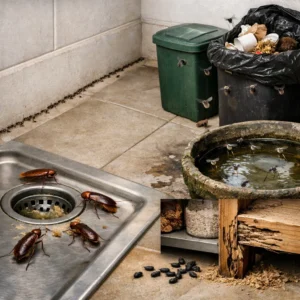
Pest problems at home often trigger an immediate reaction to fix the issue as quickly as possible. Many people start by searching for pest control self treatment because they want to act fast, save cost, or avoid unnecessary disruption. In some situations, self-treatment can be effective when done correctly. In others, it can quietly make the problem worse. Understanding the difference is the key to making the right decision.
This guide explains pest control self treatment in a realistic and practical way. It helps you identify common household pests, locate their nesting or source areas, understand which situations are suitable for self-treatment and which require professional intervention, compare general cost considerations between DIY and expert services, follow essential safety rules for children and pets, and apply a structured self-treatment plan with clear steps, tools, and success indicators.
Table of Contents
ToggleQuick-action summary before you start
If you need to act immediately, here is a simple overview:
- Correctly identify the pest before using any treatment
- Locate where pests are entering, nesting, or feeding
- Use self-treatment only for early-stage or limited infestations
- Follow strict safety rules for chemicals, pets, and children
- Monitor results closely and stop if the problem spreads
This summary helps prevent rushed decisions that often cause pest control self treatment to fail.
Step one: identifying the pest correctly
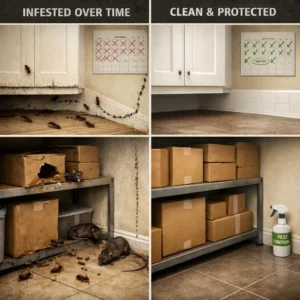
The most common reason pest control self treatment fails is misidentification. Different pests behave differently, live in different places, and require different control methods. Treating the wrong pest wastes time and increases risk.
Common household pests and how to recognize them
Cockroaches: Usually active at night, hide in kitchens, bathrooms, drains, and behind appliances. Signs include droppings, musty odor, and sightings when lights are turned on.
Ants: Visible trails leading to food or water sources. Often enter through cracks, windows, or under doors. The nest is usually hidden.
Bed bugs: Small bites in lines or clusters, blood spots on sheets, hiding in mattress seams, bed frames, and furniture.
Rodents (rats or mice): Droppings, gnaw marks, scratching noises at night, damaged food packaging.
Mosquitoes: Bites, buzzing sounds, presence near standing water.
Flies: Frequent presence near food waste, drains, or open windows.
Correct identification helps determine whether pest control self treatment is appropriate or if professional help is safer.
Finding the source, not just the pest
Seeing pests does not mean that is where the problem begins. Effective pest control self treatment requires locating the source of the infestation.
Common source areas include:
- Cracks around doors, windows, and walls
- Drain openings and plumbing gaps
- Behind kitchen appliances
- Inside cabinets and storage areas
- Near moisture or standing water
If the source cannot be identified, self-treatment usually provides only temporary relief.
Which pest problems are suitable for self-treatment
Not all pest issues require immediate professional intervention. Pest control self treatment can work when the infestation is limited and clearly understood.
Self-treatment is usually suitable when:
- The infestation is small and recently noticed
- The pest type is clearly identified
- The source is visible and accessible
- No structural damage is involved
- No health symptoms are present
Examples include a few ants entering from a visible crack, occasional flies near a waste bin, or isolated cockroach sightings without widespread activity.
When pest control self treatment is not recommended
There are clear situations where self-treatment should stop immediately.
Professional intervention is recommended when:
- Pests return repeatedly after treatment
- Multiple rooms or levels are affected
- Pests are active during daytime
- Bites, allergies, or respiratory issues appear
- Rodents or termites are suspected
- You cannot locate the source
Continuing pest control self treatment in these cases often increases spread and long-term cost.
General cost considerations: DIY vs professional help
Many people choose pest control self treatment to reduce expenses. While DIY costs may appear lower initially, repeated treatments, product purchases, and potential damage can increase total spending.
General cost considerations include:
- DIY costs are spread over time through repeated product purchases
- Incorrect treatment may require stronger solutions later
- Professional services usually include inspection and targeted treatment
- Expert intervention often resolves the issue faster
The real cost difference often depends on how quickly the problem is controlled.
Essential safety rules for pest control self treatment
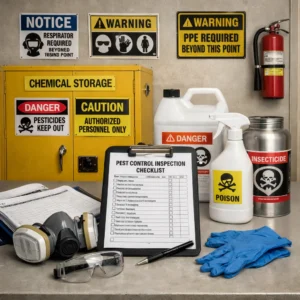
Safety is one of the most important aspects of self-treatment. Improper use of chemicals can harm people, pets, and the environment.
Basic safety rules
- Always read and follow product instructions
- Never mix different pest control products
- Store chemicals away from children and pets
- Ventilate treated areas properly
- Avoid applying products near food or utensils
Pet- and child-safe considerations
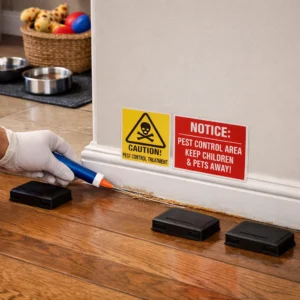
Choose products labeled as low-toxicity where possible. Keep pets and children away during and after treatment until surfaces are dry and safe.
Protective equipment
Basic protective gear includes gloves, masks, and closed clothing. This reduces exposure to residues and airborne particles.
A structured pest control self treatment plan
Successful self-treatment follows a clear structure rather than random spraying.
Step one: exclusion
Seal cracks, fix leaks, and remove food sources. Exclusion prevents new pests from entering.
Step two: targeted treatment
Apply treatment only where pests are active or nesting. Avoid broad spraying that exposes unnecessary areas.
Step three: monitoring
Observe pest activity for several days. Reduced sightings indicate progress. No change or increased activity signals failure.
Basic tool checklist for self-treatment
Before starting, prepare the following:
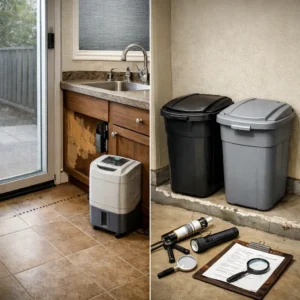
- Flashlight for inspection
- Protective gloves and mask
- Approved pest control product
- Sealant for cracks
- Cleaning supplies
Having tools ready prevents rushed and unsafe decisions.
Common DIY mistakes that cause failure
Many pest control self treatment attempts fail due to avoidable mistakes.
Common mistakes include:
- Using too much product
- Treating the wrong pest
- Ignoring nesting areas
- Stopping treatment too early
- Overlooking safety precautions
These mistakes often allow pests to survive and adapt.
Simple success indicators
To evaluate whether pest control self treatment is working, look for:
- Reduced pest sightings
- No new entry points
- Decreased droppings or damage
- No new bites or symptoms
If these indicators do not improve within a reasonable time, professional assessment is recommended.
Knowing when to stop and seek expert help
Pest control self treatment has clear limits. Recognizing those limits early prevents escalation.
Professional help becomes the safer choice when:
- The infestation spreads despite treatment
- Health concerns arise
- Structural damage is suspected
- Time and effort outweigh results
Final thoughts
Pest control self treatment can be effective when used correctly, safely, and at the right time. Clear pest identification, source control, proper safety measures, and structured monitoring are essential for success. Knowing when to stop self-treatment and seek professional help protects health, property, and long-term cost.