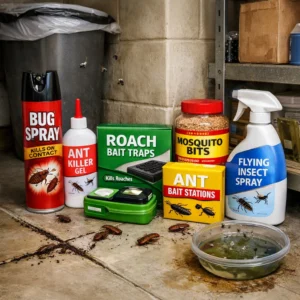
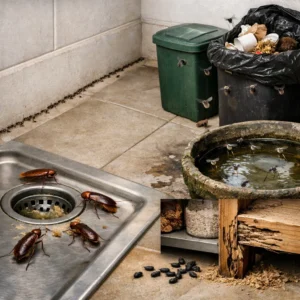
Choosing the right pest control provider can feel overwhelming, especially when multiple services appear similar at first glance. A clear pest control services list helps homeowners and business owners understand what each service actually covers, who it is best suited for, and when professional intervention is necessary. Instead of focusing on brand promises or marketing claims, the goal is to compare services based on specialization, response speed, safety approach, and practical suitability for real situations.
This guide presents a structured pest control services list designed for quick selection and informed decision-making. It highlights common service categories, explains which pests are typically addressed, shows how to match services to family or commercial needs, outlines red flags to avoid, and clarifies when DIY steps are enough versus when professional treatment is the safer choice.
Table of Contents
ToggleWhy a structured pest control services list matters
Pest problems are rarely identical. A service that works well for a small apartment with occasional insects may not be suitable for a restaurant, warehouse, or family home with children and pets. Without a clear pest control services list, many people choose based on proximity or price alone, which often leads to repeat infestations or unnecessary risks.
A structured list allows you to:
- Quickly identify services based on your specific pest issue
- Understand which providers specialize in certain infestations
- Compare safety approaches without technical jargon
- Decide whether emergency response is needed
- Avoid services that rely on pressure tactics or unclear terms
Localized pest context and seasonal patterns
Pest activity varies depending on climate, building design, and surrounding environment. In urban and suburban areas with warm temperatures, pests are active year-round, while certain infestations peak during specific periods.
Common patterns include:
- Cockroaches: Active throughout the year, especially in kitchens and bathrooms
- Ants: More visible during warmer months and after rainfall
- Mosquitoes: Increase near standing water and during humid periods
- Flies: Peak around waste areas and food-handling zones
- Rodents: Often increase during construction, renovation, or colder transitions
- Bed bugs: Spread through travel, furniture movement, and shared accommodations
- Termites: Remain hidden year-round, with damage discovered later
Understanding which pests are common in your area helps narrow down the most relevant services from a pest control services list.
Core categories in a pest control services list
General insect control services
Best for: Apartments, villas, offices, and small businesses with common crawling or flying insects.
These services usually cover cockroaches, ants, flies, mosquitoes, and similar pests. They focus on inspection, targeted treatment, and basic prevention guidance.
Safety approach: Controlled application using approved products, with precautions for food areas and occupants.
Emergency availability: Often available for urgent infestations, especially in residential settings.
Pricing range: Typically based on unit size or area coverage rather than pest count.
Bed bug control services
Best for: Homes, shared accommodations, hotels, and furnished rentals.
Bed bug services require specialized inspection and treatment methods. DIY approaches often fail because bed bugs hide in furniture, fabrics, and wall gaps.
Safety approach: Targeted treatment with clear preparation instructions to protect occupants.
Emergency availability: Often prioritized due to discomfort and spread risk.
Pricing range: Based on number of rooms and infestation severity.
Rodent control services
Best for: Villas, ground-floor units, warehouses, restaurants, and older buildings.
Rodent services focus on trapping, baiting, exclusion, and monitoring. They address health risks, contamination, and structural damage.
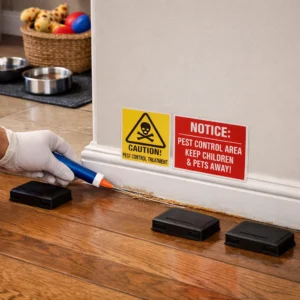
Safety approach: Secure bait placement and controlled methods to protect people and pets.
Emergency availability: Often available for active sightings or noises.
Pricing range: Based on property size, access points, and monitoring needs.
Termite control services
Best for: Properties with wooden structures, furniture damage, or suspected hidden infestation.
Termite services are inspection-driven and may involve soil treatment, wood treatment, or localized control depending on the situation.
Safety approach: Applied carefully due to structural implications.
Emergency availability: Inspection prioritized, treatment scheduled based on findings.
Pricing range: Usually assessed individually after inspection.
Mosquito and outdoor pest control
Best for: Gardens, outdoor seating areas, villas, and recreational spaces.
These services focus on reducing breeding sites and controlling adult populations to improve comfort.
Safety approach: Targeted outdoor application with attention to plants and water sources.
Emergency availability: Seasonal demand may affect scheduling.
Pricing range: Typically based on outdoor area size.
Commercial and industrial pest control
Best for: Restaurants, hotels, warehouses, offices, schools, and healthcare facilities.
Commercial services prioritize compliance, documentation, and ongoing monitoring. They are designed to meet hygiene and safety standards.
Safety approach: Low-toxicity or controlled methods suitable for public spaces.
Emergency availability: Often available with service-level agreements.
Pricing range: Based on area size, risk level, and service frequency.
Quick selection: best-for comparison guide
To simplify selection from a pest control services list, consider these best-for categories:
- Best for families: Services emphasizing low-toxicity treatments, clear preparation steps, and child- and pet-safe methods.
- Best for fast response needs: Providers offering same-day inspection or emergency visits.
- Best for recurring issues: Services that include follow-ups or maintenance options.
- Best for commercial properties: Providers experienced with inspections, compliance, and documentation.
- Best for hidden infestations: Services that prioritize thorough inspection over immediate spraying.
Red-flag checklist when reviewing a pest control services list
Not all services are equal. A reliable pest control services list should help you avoid risky providers.
Be cautious if a service shows these red flags:
- No clear licensing or approval information
- Refusal to inspect before quoting
- Vague explanations of treatment methods
- Pressure to sign long-term contracts immediately
- Guarantees that promise permanent results without conditions
Professional providers focus on transparency, not urgency-driven sales.
Understanding safety approaches across services
Safety is a major factor when comparing a pest control services list. Different services use different approaches depending on the pest and environment.
Common safety practices include:
- Targeted application instead of broad spraying
- Use of approved products with controlled dosage
- Clear preparation and re-entry instructions
- Special precautions for children and pets
- Aftercare guidance to maintain safety
Eco-friendly or low-toxicity options are increasingly common and suitable for sensitive environments.
DIY versus professional services: when each is appropriate
Not every pest situation requires immediate professional treatment. Understanding when DIY steps are sufficient helps avoid unnecessary costs.
DIY may be enough when:
- Pest activity is minimal and recent
- The source is obvious and removable
- No health risks are present
Professional services are necessary when:
- Pests return repeatedly
- Multiple rooms or units are affected
- Hidden nests or breeding sites are suspected
- Health, hygiene, or compliance risks exist
A pest control services list helps identify which professional option matches the situation.
Follow-ups and realistic expectations
Effective pest control is rarely a one-time action. Follow-ups help confirm results and address lingering activity.
Realistic expectations include:
- Explanation of normal post-treatment activity
- Guidance on monitoring after service
- Optional follow-up visits for persistent pests
- Maintenance plans for high-risk properties
Using a pest control services list to make a confident choice
A well-structured pest control services list allows you to compare options based on real needs rather than assumptions. By focusing on specialization, response speed, safety approach, and transparency, you can narrow down providers that align with your situation.
When pest activity continues despite basic measures, professional services provide inspection-led treatment, safer application methods, and clearer long-term control. Choosing wisely at this stage helps protect health, property, and peace of mind.
Conclusion
A clear pest control services list is a practical tool for navigating pest problems effectively. By understanding service categories, recognizing red flags, considering local pest patterns, and knowing when professional help is necessary, homeowners and businesses can respond confidently and reduce the risk of recurring infestations.