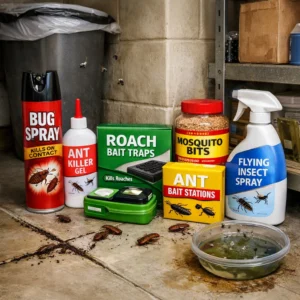
Pest control spray is one of the most common tools people use to manage pest problems. Whether you’re dealing with cockroaches, ants, termites, or mosquitoes, pest control sprays offer a quick and convenient solution to combat visible infestations. However, improper use or misunderstanding of how these sprays work can lead to ineffective results or even safety concerns. This article explains everything you need to know about pest control sprays, including safety precautions, proper application techniques, the differences between types of sprays, and how to ensure effective and safe use for your home or business.
Table of Contents
ToggleUnderstanding Safety and Toxicity Concerns
One of the primary concerns when using pest control sprays is safety, particularly regarding toxicity levels and the potential impact on children, pets, and the environment. Many over-the-counter sprays contain chemicals that can be harmful if misused. Whether you’re dealing with commercial sprays or DIY solutions, safety should always be a top priority.
Pet and Child Safety
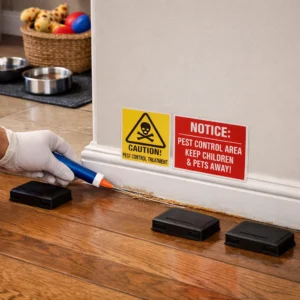
Pets and children are particularly vulnerable to chemical exposure. When applying pest control sprays, it’s essential to follow safety guidelines to avoid accidental poisoning or exposure. Here are some key safety measures:
- Ensure children and pets are out of the treated area while spraying and for at least 30 minutes to an hour afterward.
- Keep all pest control sprays out of reach of children and pets to prevent accidental ingestion.
- Use sprays specifically labeled as “pet-safe” or “child-safe” if you’re concerned about toxicity.
- Consider using eco-friendly, non-toxic sprays that rely on natural ingredients like essential oils instead of harsh chemicals.
Personal Protective Equipment (PPE)
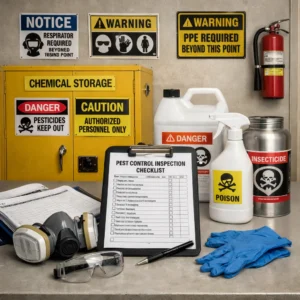
Personal protective equipment (PPE) is crucial when applying any chemical pest control product. Even if the spray is safe for pets and children, it can still pose health risks to adults applying it directly. Using the proper PPE ensures that you are not exposed to harmful chemicals during the application process.
Here are some basic PPE items to use when applying pest control sprays:
- Gloves: Always wear gloves to avoid skin contact with the spray, especially when applying chemicals that may irritate the skin.
- Face mask or respirator: A mask protects your respiratory system from inhaling potentially harmful fumes or particles in the spray. Make sure it is rated for chemical use.
- Eye protection: Goggles or safety glasses protect your eyes from splashes or accidental sprays.
- Long-sleeved clothing: Wearing long sleeves and pants minimizes skin exposure to chemicals.
When spraying in confined areas or places with limited ventilation, always ensure the area is well-ventilated after spraying. Open windows and doors to allow for proper airflow.
Proper Application Techniques for Pest Control Sprays
Correct application of pest control spray is essential for both safety and effectiveness. The right technique ensures that the spray reaches the intended target areas and minimizes waste, while also reducing the risk of harmful exposure to humans, pets, and the environment.
The 3×3 Rule for Exterior Spraying
One of the most common application mistakes is using too much spray or applying it in the wrong areas. To get the best results when applying pest control spray to the exterior of your home or business, follow the 3×3 rule.
The 3×3 rule means:
- Spraying 3 feet high from the ground.
- Spraying in a 3-foot wide band around the perimeter of your property, including doors, windows, and baseboards.
- Focusing on areas where pests are likely to enter or nest, like door frames, window sills, cracks, and crevices.
Ensure that the spray is applied evenly and avoid heavy spraying in areas where pests do not typically appear.
Targeting Entry Points
Pests often enter the home or business through gaps around windows, doors, vents, and utility lines. Applying pest control spray directly to these entry points is one of the most effective ways to stop pests before they enter. Focus on these areas:
- Windows and door frames: Spray the perimeter of windows and doors, especially around seals where gaps are often found.
- Cracks and crevices: Apply spray around baseboards, electrical outlets, and the foundation of the building.
- Vents and exhaust fans: Ensure that vents or exhausts are sealed or treated to prevent insects or rodents from entering.
- Utility lines: Check the entry points of pipes or wires coming into the building, as they are common entry points for pests.
Contact Sprays vs. Residual Sprays
One of the most important distinctions when using pest control sprays is the difference between contact sprays and residual sprays. Both types of sprays serve different purposes, and it’s essential to understand how they work.
Contact Sprays
Contact sprays are designed to kill pests on contact. These sprays work immediately when they land on a pest’s body, paralyzing or killing them almost instantly. However, contact sprays do not provide long-lasting protection once the chemical dries. They are most effective for treating visible pests and immediate infestations.
Residual Sprays
Residual sprays, on the other hand, create a lasting barrier on surfaces for several weeks or even months. After spraying, the chemical remains active on treated surfaces and kills pests that come into contact with it. Residual sprays are best used for ongoing pest control and preventing new pests from entering your space.
Choosing between a contact spray and a residual spray depends on your needs. If you are dealing with an active infestation, a contact spray may be more effective for immediate relief. If you are aiming for long-term prevention, a residual spray is your best bet.
Reapplication and Environmental Considerations
Environmental factors like sunlight, rain, and humidity can affect the longevity of pest control sprays, especially residual sprays. After rain or high humidity, reapplication of the spray may be necessary to maintain its effectiveness. Similarly, prolonged exposure to direct sunlight can cause some sprays to lose their potency.
As a general rule:
- Reapply residual sprays every 2-4 weeks for continued protection, especially in high-traffic areas.
- After heavy rain, reapply residual sprays to maintain barrier effectiveness.
- For outdoor applications, ensure the area is dry before reapplying, as wet surfaces may dilute the spray.
DIY Pest Control Sprays vs. Professional-Grade Sprays
DIY pest control sprays are readily available at most home improvement stores. While they may be effective in treating small issues, they typically fall short when compared to professional-grade products used by licensed pest control companies.
| Feature | DIY Pest Control Sprays | Professional-Grade Sprays |
|---|---|---|
| Effectiveness | Can kill pests on contact but often ineffective long-term. | Provides longer-lasting effects, especially with residual sprays. |
| Application | Requires careful handling and reapplication. | Applied by professionals with the right techniques and equipment. |
| Toxicity | May contain harsh chemicals that can be harmful to humans, pets, or the environment. | Professional-grade sprays are often more regulated and can include eco-friendly options. |
| Cost | Typically lower upfront costs but may require multiple applications and re-purchase. | Higher upfront cost, but long-term prevention often reduces the need for repeated treatments. |
| Safety | Requires personal protective equipment (PPE) and can still pose risks if not applied properly. | Professionals use appropriate PPE and ensure safe application. |
Common Mistakes with Pest Control Sprays
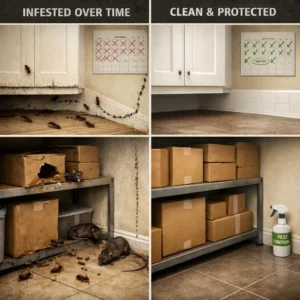
Even with the best pest control sprays, mistakes during application can reduce their effectiveness and may even make the problem worse.
Some common mistakes include:
- Incorrect application: Applying too much spray or using it in the wrong areas can waste product and cause pests to spread.
- Inconsistent application: Skipping areas or not applying enough spray will leave gaps where pests can still enter.
- Not following reapplication schedules: Relying on a single application can leave areas unprotected when the spray wears off or is washed away.
- Using expired products: Always check the expiration date and effectiveness of any pest control products.
What to Do if Resistance Develops
Sometimes, pests may develop resistance to certain sprays, especially if the same product is used repeatedly. Resistance can cause the pest population to survive and thrive despite regular treatments.
To prevent resistance:
- Rotate between different pest control products to avoid overuse of a single active ingredient.
- Use a combination of treatment methods, including non-chemical solutions such as traps or bait stations.
- Consult a pest control professional for advice on the most effective treatment strategies.
Conclusion
Using pest control spray effectively involves more than just spraying the affected areas. Proper application, understanding the different types of sprays, reapplication, and avoiding common mistakes are key to effective pest control. When in doubt, it’s always best to consult a pest control professional to ensure safety and achieve lasting results. Remember, controlling pest problems before they escalate saves time, money, and discomfort in the long run.