A reliable pest control team is not defined only by the services it offers, but by the people behind the work. When pest problems affect a home or business, trust becomes just as important as results. Knowing who enters your space, how they are trained, how decisions are made, and how safety is handled helps build confidence that the problem will be solved correctly, not temporarily.
This article focuses on what makes a professional pest control team trustworthy and effective. It explains team credentials and training standards, daily roles and responsibilities, safety and transparency practices, diagnostic and inspection processes, how to decide between professional help and DIY attempts, and the long-term value a professional team provides through follow-ups and prevention guidance.
Table of Contents
ToggleWhy the people behind a pest control team matter
Pest control is a hands-on profession. Technicians work inside homes, businesses, kitchens, storage areas, and sometimes sensitive environments such as schools or healthcare facilities. Because of this, the quality of a pest control team depends heavily on the people performing the work.
A professional pest control team is built around:
- Trained technicians who understand pest behavior
- Clear operational roles and accountability
- Consistent standards across every visit
- Ethical decision-making focused on safety
- Clear communication with customers
When these elements are in place, pest control becomes a structured process rather than a trial-and-error activity.
Team credentials, certifications, and training standards
A professional pest control team operates under defined training and certification standards. These standards are designed to ensure that every technician understands how to identify pests accurately, apply treatments safely, and follow regulatory requirements.
Typical credentials and training elements include:
- Initial technical training in pest identification and behavior
- Instruction on safe handling and application of approved products
- Ongoing refresher training to stay updated on methods and regulations
- Supervised field experience before independent work
- Compliance training related to local municipality rules
In addition to technical skills, reputable pest control teams often conduct background checks and verification processes. This adds an extra layer of trust for customers who allow technicians into private or sensitive spaces.
Meet-the-team approach and daily roles
Behind every effective pest control team is a clear division of responsibilities. While customers often interact directly with technicians, many other roles contribute to consistent results.
Common roles within a pest control team include:
- Inspection specialists: Focus on identifying pest types, entry points, and infestation sources
- Field technicians: Carry out treatments according to inspection findings and safety guidelines
- Supervisors or team leads: Ensure procedures are followed correctly and consistently
- Customer support coordinators: Handle scheduling, follow-ups, and communication
- Technical managers: Oversee training, compliance, and treatment protocols
This structured teamwork ensures that pest control is not dependent on one individual’s judgment alone, but on shared standards and oversight.
Safety-first approach and transparency
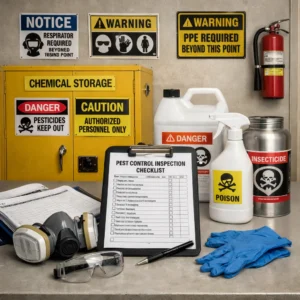
Safety is one of the most important responsibilities of a pest control team. Treatments must be effective while minimizing risk to people, pets, and the environment.
A professional pest control team follows safety principles such as:
- Selecting treatments based on pest type and location
- Avoiding unnecessary chemical exposure
- Applying products only where needed
- Using approved and regulated solutions
- Providing clear safety instructions before and after treatment
Transparency is closely tied to safety. Customers should feel informed, not uncertain, about what is being applied and why.
When requested, a responsible pest control team can provide:
- Product information and safety data
- Explanation of treatment choices
- Clear preparation and re-entry guidance
- Post-treatment precautions
Child and pet safety considerations
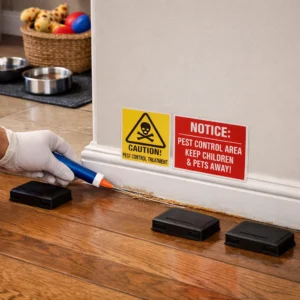
Homes with children and pets require extra care. A professional pest control team takes these factors into account during inspection and treatment planning.
Common safety measures include:
- Targeted application rather than broad spraying
- Use of lower-toxicity or reduced-odor products where appropriate
- Clear guidance on temporary room restrictions if needed
- Advice on food, toys, and bedding protection
These steps help ensure that pest control supports a healthy living environment rather than creating new concerns.
Integrated pest management and thoughtful treatment selection
Modern pest control teams increasingly rely on integrated pest management, often referred to as IPM. This approach focuses on long-term control rather than repeated chemical use.
An IPM-based pest control team typically:
- Identifies why pests are present
- Reduces access to food, water, and shelter
- Uses physical or mechanical controls when possible
- Applies chemical treatment only when necessary
- Monitors results and adjusts strategy
This approach helps reduce health risks, environmental impact, and the likelihood of recurring infestations.
The diagnostic and inspection process
Accurate diagnosis is the foundation of effective pest control. A professional pest control team does not rely on assumptions or quick fixes.
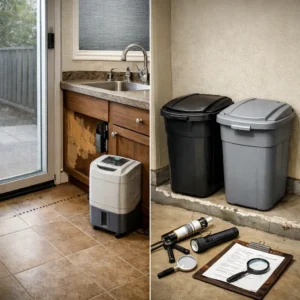
The diagnostic process usually includes:
- Visual inspection of affected and surrounding areas
- Identification of pest species and life stages
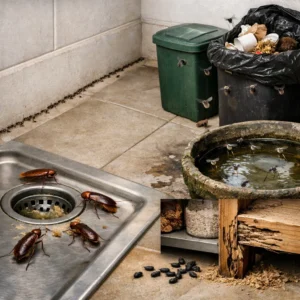
- Tracing entry points such as cracks, gaps, or drains
- Locating nesting or breeding zones
- Assessing environmental factors like moisture or clutter
Professional tools may include inspection lights, monitoring traps, moisture meters, and access equipment to check hidden areas.
This thorough approach allows the pest control team to address the root cause rather than only surface activity.
Professional team versus DIY pest control
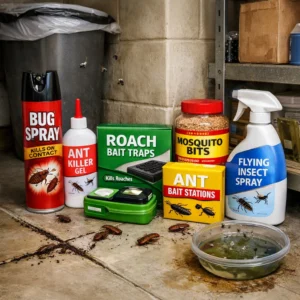
Many people consider DIY pest control before calling a professional team. While basic preventive steps can help at an early stage, DIY methods have clear limitations.
DIY approaches may be reasonable when:
- Pest activity is minimal and recently noticed
- The source is obvious and easy to remove
- No health-sensitive occupants are involved
However, DIY methods often fall short when:
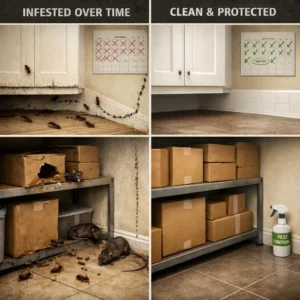
- Pests return repeatedly
- Infestations spread to multiple rooms
- Nests are hidden inside walls or ceilings
- Incorrect product use increases health risks
A professional pest control team offers advantages in effectiveness, safety, and long-term results. While DIY may appear less costly initially, repeated failures often lead to higher overall expense and frustration.
Understanding cost considerations without focusing on numbers
Professional pest control costs are influenced by several factors rather than a single flat rate.
Key cost considerations include:
- Type of pest involved
- Size and layout of the property
- Severity and spread of infestation
- Required treatment methods
- Need for follow-up visits or monitoring
A professional pest control team explains these factors clearly during inspection so customers understand what they are paying for and why.
Post-treatment value and follow-up practices
The work of a pest control team does not end once treatment is applied. Post-treatment practices are critical for long-term success.
Post-treatment value may include:
- Follow-up inspections to confirm results
- Additional treatment if activity persists
- Monitoring tools for high-risk areas
- Clear guidance on what to expect after treatment
These steps help ensure that pest activity is truly controlled and not temporarily suppressed.
Seasonal prevention and early warning signs
A professional pest control team also provides guidance on prevention, helping customers avoid future infestations.
Seasonal prevention advice may include:
- Moisture control during humid periods
- Waste management and storage tips
- Sealing entry points before pest activity peaks
- Routine inspections for high-risk environments
Early warning signs that should not be ignored include repeated sightings, unusual odors, droppings, or structural damage.
A calm, solution-focused mindset
Pest problems can feel stressful, but fear-driven decisions often lead to poor outcomes. A professional pest control team approaches each situation calmly, focusing on diagnosis, safety, and long-term protection.
This mindset helps customers feel informed rather than pressured and allows pest issues to be addressed responsibly.
Conclusion
A professional pest control team is defined by its people, training, transparency, and commitment to safety and prevention. By focusing on proper diagnosis, thoughtful treatment, and long-term guidance, a trusted team helps protect homes and businesses without unnecessary risk or repeated disruption.