Pest problems often raise one immediate question before anything else: pest control time. People want to know how long a treatment will take, when pests will actually disappear, how soon it is safe to return to normal activities, and whether the effort will last or need to be repeated. Understanding timing is critical, because pest control is rarely instant and expectations that are not aligned with reality often lead to confusion or disappointment.
This article explains pest control time in a practical and realistic way. It covers how long pest control treatments usually take on-site, how long it takes for pests to die or fully disappear after treatment, what to expect in the first hours and days after treatment, safety timelines for people and pets, the best time to carry out pest control based on season and conditions, how often treatments should be repeated, how long results usually last, and warning signs that indicate another treatment may be needed.
Table of Contents
ToggleWhat pest control time really means
Pest control time is not a single measurement. It refers to several different stages of the process, each with its own timeline. These stages include the time spent on-site during treatment, the time it takes for pests to be affected after treatment, the adjustment period immediately afterward, and the overall duration of effectiveness.
Understanding these stages helps set realistic expectations and avoids the assumption that pest control works instantly or permanently after one visit.
How long a pest control treatment usually takes on-site
The on-site pest control time depends on several factors, including the size of the property, the type of pest, the severity of the infestation, and whether the treatment is indoor, outdoor, or both.
In general:
- Small apartments or single rooms often require a shorter on-site treatment time
- Larger apartments, villas, or commercial spaces require longer coverage
- Complex infestations may involve multiple treatment zones
For most residential properties, on-site pest control time typically ranges from under an hour to a few hours. Commercial properties, warehouses, or outdoor areas may take longer due to size and access requirements.
It is important to understand that a shorter on-site time does not mean lower quality. Professional pest control focuses on targeted application rather than covering every surface indiscriminately.
How long it takes for pests to die after treatment
One of the most common misunderstandings about pest control time is expecting pests to disappear immediately. In reality, most professional treatments are designed to work gradually.
After treatment:
- Some pests may die within hours
- Others may take several days to be fully affected
- Certain pests continue moving through treated areas before dying
This delayed effect is intentional. Many treatments rely on pests carrying the active substance back to nests or hiding places, allowing the treatment to reach pests that were not directly exposed.
Why pest activity may temporarily increase after treatment
It is common to notice increased pest activity shortly after treatment. This does not mean the treatment failed.
This happens because:
- Pests are flushed out of hiding places
- Disturbed nests cause movement
- Weakened pests become more visible before dying
This phase is a normal part of pest control time and usually subsides within a few days as the treatment takes effect.
What to expect in the first 24 hours after pest control
The first 24 hours are often the most confusing period for people unfamiliar with pest control time. Knowing what is normal helps reduce unnecessary concern.
In the first day, you may notice:
- Increased sightings of insects
- Slower or disoriented pest movement
- Dead pests appearing in treated areas
- Reduced activity toward the end of the day
During this period, it is generally advised not to clean treated areas aggressively unless instructed, as this can reduce treatment effectiveness.
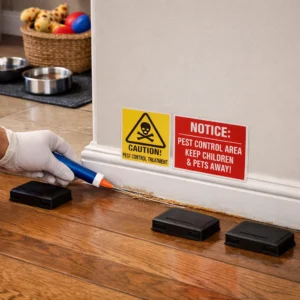
When it is safe for people and pets to re-enter treated areas
Safety is a major part of pest control time planning. Re-entry timing depends on the treatment method used and the specific pest being targeted.
In most cases:
- Short waiting periods are recommended before re-entry
- Ventilation is advised after treatment
- Pets may require additional precautions
Professional pest control services provide clear instructions on when it is safe to return, including guidance for children, pets, and sensitive individuals. Following these instructions is essential to maintain safety and treatment effectiveness.
The best time of day for pest control
Pest control time is influenced by pest behavior. Different pests are active at different times of day.
For example:
- Nocturnal pests are often targeted during or just before active periods
- Day-active pests may require daytime treatment
- Outdoor treatments may depend on temperature and sunlight
Professionals plan treatment timing to align with pest activity patterns, increasing the chance that pests will come into contact with treated areas.
The best season for pest control
Seasonality plays an important role in pest control time and effectiveness.
In warmer climates:
- Pests are active year-round
- Breeding cycles continue without interruption
In cooler periods:
- Some pests slow down or seek shelter
- Indoor infestations may increase
Preventive pest control is often more effective when done before peak pest activity, while active infestations should be treated as soon as they are noticed regardless of season.
How weather conditions affect pest control timing
Weather has a direct impact on pest behavior and treatment effectiveness.
Conditions that affect pest control time include:
- Rain washing away outdoor treatments
- Extreme heat accelerating pest movement
- High humidity encouraging breeding
Professional services adjust timing to avoid conditions that reduce effectiveness, especially for outdoor treatments.
How long pest control treatments usually remain effective
Another key part of pest control time is understanding how long results last.
Treatment effectiveness depends on:
- The type of pest
- The treatment method used
- Environmental conditions
- Hygiene and maintenance practices
Some treatments provide protection for weeks, while others are part of an ongoing control plan. No treatment lasts forever without proper prevention.
How often pest control should be repeated
There is no universal schedule for pest control time repetition. Frequency depends on risk level and pest type.
In general:
- High-risk environments require more frequent treatments
- Preventive treatments are spaced further apart
- Severe infestations may require follow-up visits
Regular inspection helps determine when another treatment is necessary rather than relying on a fixed schedule.
Differences in pest control timing by pest type
Different pests respond to treatment on different timelines.
For example:
- Insects may show results within days
- Rodents often require monitoring over time
- Structural pests may need staged treatment
Understanding these differences prevents unrealistic expectations about immediate results.
Pricing considerations related to pest control timing
Pest control time also influences pricing. Treatments that require longer on-site time, repeat visits, or extended monitoring generally involve higher costs than simple preventive applications.
Factors that influence pricing include:
- Frequency of treatment
- Need for follow-up visits
- Type of pest and treatment complexity
- Indoor versus outdoor coverage
Preventive treatments may cost less over time than repeated emergency treatments caused by delays.
Warning signs that it is time for another treatment
Recognizing when pest control time has reached its limit helps prevent reinfestation.
Common warning signs include:
- Renewed pest sightings
- Increased activity after a period of calm
- New droppings or damage
- Recurring bites or irritation
- Seasonal changes triggering activity
Early response at this stage is usually more effective and less disruptive.
Why understanding pest control time reduces frustration
Many frustrations with pest control come from mismatched expectations. Knowing that treatments work over time, that temporary activity is normal, and that follow-ups may be necessary helps people remain patient and confident in the process.
Pest control is a controlled process, not an instant solution. Time, monitoring, and prevention all play a role.
A practical next step when timing matters
If pest activity is ongoing or worsening, waiting often increases the time and effort required to resolve the issue. Acting early allows treatments to work within predictable pest control timeframes and reduces the risk of repeat infestations.
Professional pest control services focus on inspection-led treatment, proper timing, and realistic follow-up planning. When timing, safety, and effectiveness matter, discussing the situation early helps determine the most appropriate schedule and approach.
Conclusion
Pest control time is about understanding how long each stage of treatment takes and why patience is part of effective control. By knowing what to expect during treatment, after treatment, and over the long term, pest problems can be managed safely, efficiently, and with far less uncertainty.