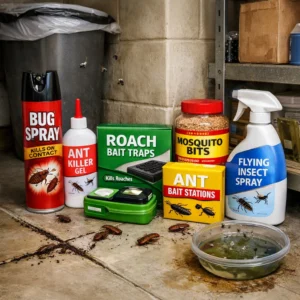
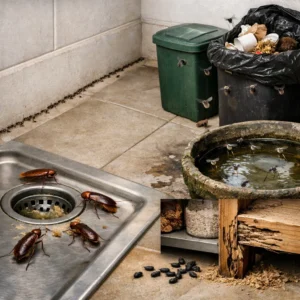
A pest control treatment plan is not a single visit or a one-time spray. It is a structured process designed to control pests at their source, reduce the conditions that allow them to survive, and prevent them from returning. For homes and businesses dealing with recurring pest activity, understanding how a proper treatment plan works from start to finish helps set realistic expectations and avoids wasted time, money, and effort.
This article explains what a pest control treatment plan typically includes, starting from inspection and risk assessment, moving through initial treatment and interior–exterior control measures, and continuing with scheduled follow-ups. It also explains the Integrated Pest Management (IPM) approach, compares DIY methods with professional treatment plans, discusses safety considerations, seasonal adjustments, and highlights warning signs of a poor or incomplete plan so you can evaluate service proposals more confidently.
Table of Contents
ToggleWhat a pest control treatment plan is meant to achieve
The main goal of a pest control treatment plan is not just to eliminate visible pests, but to create conditions where pests can no longer survive or reproduce easily. Pests are persistent by nature. If food, water, shelter, and access points remain available, they will return even after treatment.
A well-designed pest control treatment plan aims to:
- Identify how and why pests are entering the property
- Reduce conditions that attract pests
- Control existing pest populations safely
- Prevent reinfestation through monitoring and follow-ups
- Protect the health of occupants, pets, and staff
This is why professional treatment plans focus on process and continuity rather than quick fixes.
The inspection phase: the foundation of any treatment plan
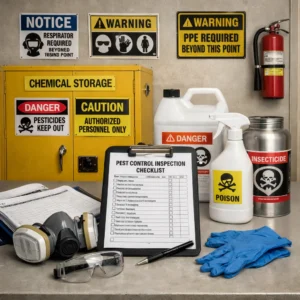
Every effective pest control treatment plan begins with a thorough inspection. Skipping or rushing this step is one of the most common reasons pest problems return.
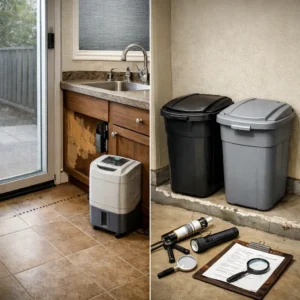
During inspection, professionals typically assess:
- Visible signs of pest activity such as droppings, nests, or damage
- Entry points including cracks, gaps, vents, doors, and drainage lines
- Moisture sources such as leaks, condensation, or standing water
- Food availability from improper storage, spills, or waste areas
- Structural features that provide shelter for pests
Inspection is not limited to one room. Kitchens, bathrooms, storage areas, ceilings, exterior walls, and surrounding outdoor spaces are all relevant. In commercial environments, inspection may also include loading areas, waste zones, and shared service corridors.
Without identifying these factors, any treatment applied is likely to be temporary.
Identifying conditions that attract pests
Pests are attracted to properties for specific reasons. A pest control treatment plan must address these conditions to be effective.
Common attraction factors include:
- Unsealed food and improper waste handling
- Excess moisture or poor drainage
- Cluttered storage and unused spaces
- Gaps around doors, windows, and utility lines
- Vegetation or debris close to building walls
Addressing these conditions often requires small behavioral or environmental changes rather than chemicals alone. This is a core principle of modern pest control planning.
The initial treatment phase
Once inspection is complete and risk factors are identified, the initial treatment phase begins. This phase focuses on reducing or eliminating the existing pest population.
Initial treatment typically includes:
- Targeted application of control methods based on pest type
- Interior treatment in affected areas only, not unnecessary spraying
- Exterior treatment to create a protective barrier
- Use of traps, baits, or exclusion methods where appropriate
Modern pest control treatment plans avoid blanket spraying. Instead, treatments are targeted to where pests live, travel, or enter the property. This improves effectiveness and reduces unnecessary exposure.
Interior control measures: focused and minimal
Interior treatments are applied carefully and only where needed. Over-treating indoor spaces can increase health risks without improving results.
Interior control measures may include:
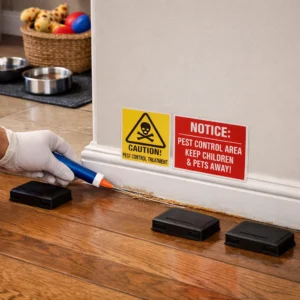
- Crack and crevice treatments
- Localized bait placement
- Targeted spot treatments in high-risk zones
- Non-chemical methods such as traps or physical removal
The goal is to interrupt pest activity while keeping indoor environments safe for occupants.
Exterior control measures: the long-term defense
One of the most important aspects of a pest control treatment plan is exterior-focused treatment. Many modern plans emphasize the exterior because preventing pests from entering is more effective than constantly treating inside.
Exterior control may include:
- Perimeter treatments around the building
- Sealing entry points and gaps
- Managing vegetation and debris near walls
- Treating drains, outdoor waste areas, and utility zones
By focusing on the exterior, treatment plans reduce indoor chemical use and provide longer-lasting results.
The role of scheduled follow-ups
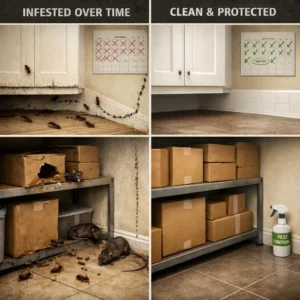
A common misconception is that pest control should work in one visit. In reality, pests have life cycles, hidden nesting areas, and varying activity levels.
A proper pest control treatment plan includes scheduled follow-ups to:
- Monitor pest activity after initial treatment
- Address newly emerged pests from eggs or larvae
- Adjust treatment based on observed results
- Reinforce preventive measures
Follow-ups are especially important for pests such as cockroaches, bed bugs, rodents, and termites. One-time solutions rarely provide durable control.
Understanding the Integrated Pest Management (IPM) approach
Integrated Pest Management, commonly referred to as IPM, is the foundation of most modern pest control treatment plans. IPM focuses on combining multiple strategies rather than relying solely on chemicals.
The IPM approach includes:
Physical prevention
This involves sealing entry points, improving structural barriers, and modifying the environment to make it harder for pests to enter or hide.
Sanitation and behavioral adjustments
Changes in cleaning routines, waste management, food storage, and moisture control reduce the resources pests rely on.
Targeted chemical use
Chemicals are used only when necessary and applied precisely to affected areas. This minimizes exposure and improves effectiveness.
IPM makes pest control safer, more sustainable, and more reliable over time.
DIY methods versus professional treatment plans
DIY pest control can be useful in very limited situations, particularly at the earliest stage of an issue. However, it has clear limitations.
DIY approaches
- Often lack proper inspection
- Focus on visible pests rather than sources
- Use generic products with limited targeting accuracy
- Provide short-term relief only
- Rarely include follow-ups or monitoring
Professional treatment plans
- Begin with inspection and risk assessment
- Target pests based on species and behavior
- Explain pricing and scope of work clearly
- Include follow-ups and adjustments
- Emphasize long-term prevention
While DIY may appear cheaper initially, repeated failures often lead to higher costs over time.
Cost transparency in a pest control treatment plan
A proper pest control treatment plan should clearly explain how costs are determined. While exact prices vary depending on pest type, property size, and infestation severity, transparency is essential.
A reliable provider should explain:
- What the inspection covers
- What treatments are included
- Whether follow-ups are part of the plan
- What factors may affect final cost
- Any limitations or exclusions
Plans that provide vague pricing or avoid explaining scope often lead to misunderstandings and dissatisfaction.
Seasonal changes and pest activity cycles
Pest activity is not constant throughout the year. A pest control treatment plan should adapt to seasonal patterns and pest life cycles.
Examples include:
- Increased insect activity during warmer months
- Rodents seeking shelter during cooler periods
- Breeding cycles that cause population spikes
Seasonal adjustments help maintain control and prevent sudden outbreaks.
Safety considerations for families, pets, and indoor spaces
Safety is a central part of any modern pest control treatment plan. Treatments should protect occupants while remaining effective.
Safety measures include:
- Using approved products and correct dosages
- Applying treatments only where necessary
- Providing preparation and re-entry instructions
- Considering pets, children, and sensitive individuals
Overuse of chemicals increases risk without improving results.
Why exterior-focused treatment plans are emphasized today
Modern pest control plans focus heavily on exterior treatment because it addresses the problem before pests enter the building.
Exterior-focused plans:
- Reduce indoor chemical exposure
- Provide longer-lasting protection
- Target entry points directly
- Lower the need for repeated interior treatments
This shift has made pest control safer and more sustainable.
Warning signs of a poor or incomplete treatment plan
Not all pest control treatment plans are equal. Knowing the warning signs helps you avoid ineffective services.
Red flags include:
- No inspection before treatment
- Promises of permanent results after one visit
- No mention of follow-ups or monitoring
- Heavy focus on spraying only
- Unclear scope or vague pricing explanations
A good plan should be detailed, transparent, and realistic.
Making informed decisions about pest control treatment plans
Choosing the right pest control treatment plan means looking beyond immediate results. Understanding the process, safety measures, follow-up structure, and prevention strategies allows you to compare service proposals more effectively.
When a plan is built around inspection, IPM principles, and ongoing monitoring, pest control becomes more predictable, safer, and more cost-effective over time.
Conclusion
A pest control treatment plan is a long-term strategy, not a one-time service. By understanding what a complete plan includes, how it adapts to pest behavior and seasons, and how to evaluate service proposals critically, homeowners and businesses can make better decisions and achieve lasting pest control results.