The term pest control tube can refer to two distinct yet highly effective pest control systems: the In-Wall Tube System and the Gel Bait Tubes. Both are designed to address pest problems with minimal disruption, but they function in different ways and are suited for specific types of infestations. Whether you’re dealing with ants, cockroaches, or even termites, understanding which system is right for your situation is essential. This article will explain both systems in detail, offering insights into their installation, usage, and maintenance.
Table of Contents
ToggleWhat are Pest Control Tubes?
Pest control tubes generally fall into two main categories:
- In-Wall Tube Systems: These are installed behind drywall or within the walls of a home or building. The tubes are perforated, allowing the chemical treatment to be distributed along the paths where pests are most active.
- Gel Bait Tubes: These are smaller, user-friendly tubes filled with pest-specific gel bait. They are typically used for targeted infestations, such as ants or cockroaches.
Each type has its own advantages, and understanding how they work and when to use them is key to effective pest control.
In-Wall Tube Systems: A No-Intrusion Solution
In-Wall Tube Systems are an innovative approach to pest control that works by distributing pest control chemicals behind the walls of your home or commercial property. These systems are typically installed during construction or during significant renovations, where a network of perforated tubes is placed behind drywall, baseboards, and other structures.
The main advantage of these systems is that they provide a “no-intrusion” treatment method. Once the tubes are in place, the pest control treatment is delivered through the tubes, which distribute chemicals or repellents directly to where the pests are active, without the need for chemicals to be applied on the surface of the floors or walls.
How It Works:
- The tubes are connected to a central pest control system that contains a slow-releasing chemical formula.
- The perforated tubing runs through key areas behind the drywall, baseboards, and other pest pathways.
- When pests come into contact with the chemicals in these areas, they carry it back to the colony or nest, ensuring the treatment reaches the source of the infestation.
Advantages of In-Wall Tube Systems:
- Non-intrusive: The system is installed once and remains hidden behind the walls, offering privacy and convenience.
- Long-term solution: Once in place, these systems can provide ongoing pest control with minimal maintenance.
- Minimal chemical exposure: Since chemicals are distributed behind the walls, there’s less direct contact with living spaces, reducing the potential for harmful exposure.
Installation and Cost:
Installation of the In-Wall Tube System is more involved than a DIY solution and requires professional pest control technicians. These systems are usually part of new construction or large renovations, making them ideal for homeowners who want long-term pest control without ongoing disruptions.
The cost of installing an In-Wall Tube System can vary greatly depending on the size of the home, the complexity of the installation, and the pest control service provider. On average, installation can range from AED 3,000 to AED 6,000 for a residential property, with additional costs for regular maintenance or refills. Although the initial investment can be high, the system offers a lasting solution with low ongoing costs, making it ideal for long-term pest control.
Gel Bait Tubes: A Targeted and Flexible Solution
Gel Bait Tubes are a more flexible, user-friendly solution for pest control. These tubes contain a thick, pest-specific gel that targets insects like ants, cockroaches, and termites. Unlike the In-Wall Tube System, Gel Bait Tubes do not require installation in walls and can be placed in specific areas where pests are most active.
How Gel Bait Tubes Work:
The gel inside these tubes is designed to attract pests, particularly ants and cockroaches. Once a pest consumes the bait, it carries the gel back to its colony, poisoning other pests and effectively reducing the population over time. The gel remains effective for a prolonged period, ensuring that pests continue to be attracted to the bait until it’s consumed.
Advantages of Gel Bait Tubes:
- Targeted application: The gel is applied directly to areas where pests are most likely to come in contact, ensuring focused treatment.
- Easy to use: Gel Bait Tubes are easy for homeowners to use. Simply apply the gel along pest pathways and observe the results.
- Long-lasting: The gel remains effective for weeks, and some products even last up to a month or longer, depending on the level of infestation.
- Non-toxic alternatives: Some gel bait tubes contain non-toxic, eco-friendly ingredients that are safe for pets and humans while still being effective for pest control.
How to Use Gel Bait Tubes Effectively:
To maximize the effectiveness of Gel Bait Tubes, proper placement is key. Follow these steps:
- Identify high-traffic pest areas: Focus on areas where you’ve seen pest activity, such as along baseboards, under sinks, behind appliances, or near waste bins.
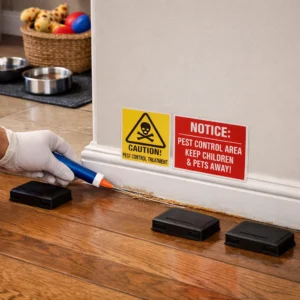
- Apply the gel: Squeeze small amounts of gel into cracks, corners, and along known pathways.
- Avoid liquid sprays: Don’t use liquid insecticides near the gel, as they can interfere with the bait’s effectiveness.
- Monitor and reapply: Check the areas for activity, and if the gel is consumed or dried out, apply more bait as needed.
Cost and Maintenance:
Gel Bait Tubes are an affordable solution for homeowners dealing with minor to moderate infestations. The cost typically ranges from AED 50 to AED 150 per tube, depending on the brand and the level of pest activity.
Although the initial cost is lower than that of the In-Wall Tube System, Gel Bait Tubes require more frequent monitoring and reapplication. However, their flexibility and ease of use make them an excellent option for tackling targeted pest issues like ants or cockroaches in small to medium areas.
Cost Comparison: In-Wall Tubes vs Gel Bait Tubes
Both In-Wall Tube Systems and Gel Bait Tubes offer effective pest control, but they differ significantly in terms of installation, usage, and long-term costs.
In-Wall Tube System Costs:
- Installation: AED 3,000 to AED 6,000 (one-time fee)
- Maintenance: AED 500 to AED 1,000 per year (for refills and inspections)
Gel Bait Tubes Costs:
- Initial purchase: AED 50 to AED 150 per tube
- Ongoing use: Typically requires reapplication every 2–4 weeks for active infestations
While the initial cost of Gel Bait Tubes is lower, In-Wall Tube Systems offer a more permanent solution with less ongoing maintenance. The cost comparison will depend on the size of the property, the frequency of reapplications, and the scale of the pest problem.
Common Mistakes with Pest Control Tubes
Even with the right system in place, there are a few mistakes people commonly make that can hinder pest control success:
- Clogged ports: If the tubing becomes clogged or blocked, the treatment will not be distributed properly, reducing its effectiveness.
- Expired or dried-out gel: Gel bait can dry out over time, especially if it is exposed to high heat or is not replaced regularly. Always check the bait to ensure it is still effective.
- Improper placement: If Gel Bait Tubes are not placed in high-traffic pest areas, the treatment won’t work as effectively. Make sure to target key areas where pests are most active.
Professionals often prefer the tube method for hard-to-reach areas because it allows for a controlled and consistent application of pest control treatments.
When to Call a Professional for Pest Control Tubes
Both In-Wall Tube Systems and Gel Bait Tubes are effective methods, but they are not foolproof for every situation. Professional pest control providers often use these systems for hard-to-reach areas, larger infestations, or ongoing problems.
Calling a professional is recommended when:
- The infestation is widespread or persistent
- You’re unsure where the pests are entering
- You need a multi-step treatment plan for different pests
- You need help with proper system installation or maintenance
Conclusion
Pest control tubes—whether In-Wall Tube Systems or Gel Bait Tubes—offer a practical and effective way to manage pests in residential and commercial properties. Understanding how each system works, when to use it, and the costs involved helps ensure you make an informed decision. For many people dealing with recurring pests or large infestations, calling in a professional pest control service can provide peace of mind and a long-term solution to pest problems.