Pest problems rarely appear suddenly. In most cases, they develop gradually, starting with small signs that are easy to overlook. A few droppings behind appliances, faint scratching sounds at night, unusual odors, or subtle damage to walls and wood can indicate a much larger issue hidden out of sight. When these signs begin to repeat or spread, pest infestation control becomes essential to protect health, property, and daily comfort.
This article explains how pest infestation control works in real residential and commercial environments. It covers how to visually identify common pests and their warning signs, how to assess infestation risk levels, when DIY control may still be reasonable, and when professional intervention becomes necessary. It also outlines a structured eradication roadmap, compares different control methods based on effectiveness and safety, and explains long-term prevention strategies to reduce reinfestation risk.
Table of Contents
ToggleVisual identification of common pests and their warning signs
Effective pest infestation control always begins with correct identification. Different pests leave different traces, and recognizing these early can help determine the urgency and type of response required.
Cockroaches
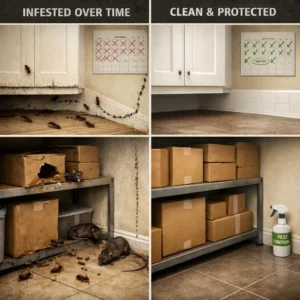
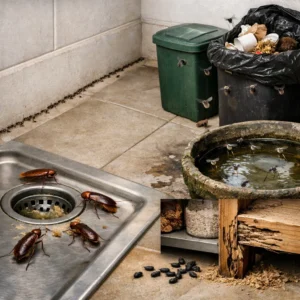
Cockroaches are commonly found in kitchens, bathrooms, drains, and storage areas. Typical signs include small dark droppings resembling ground coffee, egg casings hidden in cracks, and a strong musty odor in enclosed spaces. Grease marks along walls and cabinets may also indicate frequent movement paths.
Rodents (rats and mice)
Rodent infestations often leave visible droppings along walls, inside cabinets, or near food storage. Gnaw marks on wires, furniture, or packaging are common, as rodents continuously chew to control tooth growth. Scratching sounds in walls or ceilings at night and shredded nesting materials are also clear indicators.
Bed bugs
Bed bugs are harder to spot directly. Signs include small blood stains on bedding, dark spotting along mattress seams, and itchy bite marks on exposed skin. Infestations often spread quietly through furniture, fabrics, and luggage.
Ants
Ant infestations are usually identified by visible trails leading to food or water sources. These trails often reappear even after cleaning, indicating a hidden colony nearby. Small soil piles near walls or floors may suggest nesting activity.
Termites
Termites cause structural damage while remaining mostly hidden. Warning signs include hollow-sounding wood, blistered paint, mud tubes along walls, and sagging door frames. By the time damage is visible, the infestation may already be advanced.
Flies and mosquitoes
Excessive fly presence often points to waste, moisture, or food exposure issues. Mosquitoes are commonly associated with standing water, damp areas, and poor drainage. Buzzing sounds, bite marks, and visible larvae are common indicators.
Mold-related pests and dust mites
Dust mites and mold-related pests are not always visible, but their presence is suggested by persistent allergy symptoms, musty odors, and visible mold patches on walls or ceilings.
Understanding infestation risk levels
Not all pest infestations carry the same level of risk. Pest infestation control decisions should consider health impact, property damage potential, and urgency.
Low-risk infestations
Low-risk infestations typically involve early-stage ant activity or occasional insect sightings without clear nesting signs. Health risks are minimal, and property damage is unlikely at this stage.
Moderate-risk infestations
Moderate-risk infestations include repeated cockroach sightings, small rodent activity, or localized fly problems. These can pose hygiene concerns and minor property damage if left untreated.
High-risk infestations
High-risk infestations include termites, bed bugs, advanced rodent activity, or mold-related issues. These pests can cause structural damage, spread disease, trigger allergies, and create long-term health risks. Immediate pest infestation control is usually necessary.
When DIY pest infestation control may be sufficient
DIY pest infestation control can be effective in very early stages or as a preventive measure. It is most suitable when the infestation is limited, clearly identified, and localized.
DIY approaches may be reasonable when:
- The pest activity is minimal and recently noticed
- The source of attraction is obvious and easily removed
- No structural damage is present
- No vulnerable occupants such as infants or pets are affected
Common DIY actions include deep cleaning, removing food sources, sealing small gaps, improving ventilation, and using basic traps or baits according to instructions.
Clear signs that professional intervention is necessary
DIY pest infestation control has clear limits. Continuing DIY efforts beyond these limits often worsens the problem.
Professional intervention is usually necessary when:
- Pests return repeatedly after DIY treatment
- Multiple rooms or areas are affected
- Nesting signs or structural damage are present
- Bites, allergic reactions, or illness occur
- The pest type is difficult to control, such as termites or bed bugs
At this stage, professional pest infestation control helps prevent further spread and reduces long-term costs.
A structured eradication roadmap for pest infestation control
Effective pest infestation control follows a step-by-step process rather than a single action.
Sanitation and environmental control
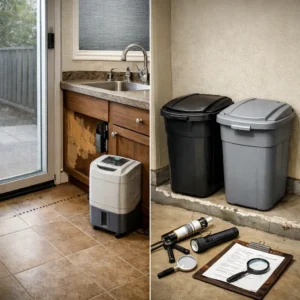
The first step is removing conditions that attract pests. This includes proper food storage, regular waste disposal, cleaning grease and spills, fixing leaks, and reducing clutter. Sanitation alone rarely eliminates infestations but is essential for long-term success.
Exclusion and entry-point sealing
Blocking access points prevents pests from entering or re-entering the property. Common exclusion measures include sealing cracks, repairing door sweeps, covering vents, and securing drainage openings.
Treatment selection and application
Treatment methods vary depending on pest type, infestation severity, and environment. Options include baits, traps, botanical solutions, and chemical treatments. Proper selection ensures effectiveness while minimizing risk.
Monitoring and follow-up
Post-treatment monitoring helps confirm that pest activity has stopped. Follow-up inspections or treatments may be required, especially for high-risk pests.
Overview of pest control treatment approaches
Baits
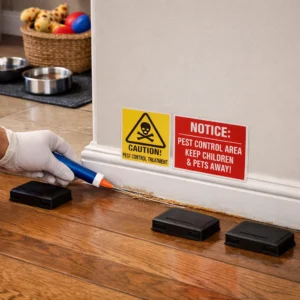
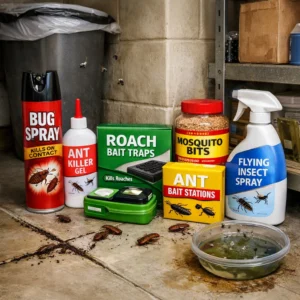
Baits attract pests and deliver treatment back to nests or colonies. They are commonly used for ants, cockroaches, and rodents. Baits are effective when placed correctly and used patiently.
Traps
Traps are useful for rodents and some insects. They provide visible results and help monitor pest activity but may not address underlying nesting issues.
Botanical and low-toxicity solutions
Botanical treatments use plant-based ingredients and are often chosen for environments with children, pets, or sensitive occupants. They may require repeated application and careful placement.
Chemical treatments
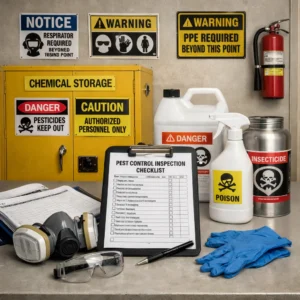
Chemical solutions are often necessary for severe infestations. When applied professionally, they are targeted and controlled to reduce exposure risks.
Comparative overview of pest infestation control methods
Different control methods vary in effectiveness, safety, and cost considerations.
| Method | Effectiveness | Safety | Cost Awareness |
|---|---|---|---|
| DIY traps and sprays | Low to moderate | Variable, risk of misuse | Low upfront, higher long-term risk |
| Baits | Moderate to high | Generally safe when used correctly | Moderate |
| Botanical solutions | Moderate | High safety profile | Moderate |
| Professional chemical treatment | High | High when applied correctly | Higher upfront, lower recurrence risk |
General pricing considerations without exact figures
Pest infestation control costs depend on several factors rather than a single fixed price. These include pest type, size of the affected area, infestation severity, treatment method, and follow-up requirements.
DIY solutions often appear cheaper initially but may lead to higher long-term costs if infestations persist. Professional services typically involve inspection, targeted treatment, and prevention guidance, which helps reduce repeat infestations and additional expenses.
Preventive maintenance strategies to reduce reinfestation risk
Long-term pest infestation control relies heavily on prevention. Even after successful treatment, habits and maintenance play a critical role.
Effective preventive strategies include:
- Regular cleaning and waste management
- Seasonal inspections of kitchens, storage areas, and basements
- Routine checks for leaks and moisture buildup
- Maintaining sealed food storage
- Addressing minor structural gaps promptly
Commercial properties benefit from scheduled inspections and maintenance plans, especially in food-handling or high-traffic environments.
Using identification and decision-support tools
Some pest infestation control services provide identification aids, quick-reference guides, or cost-awareness tools to help property owners make informed decisions. These tools can help identify pest types, assess risk levels, and understand when professional help is needed.
Conclusion
Pest infestation control is not a single action but a continuous process involving identification, risk assessment, proper treatment, and prevention. Understanding pest signs, knowing when DIY efforts are sufficient, recognizing when professional intervention is necessary, and maintaining good habits all contribute to safer and more effective pest management. With the right approach, infestations can be controlled responsibly and prevented from returning.