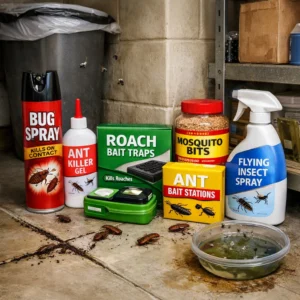
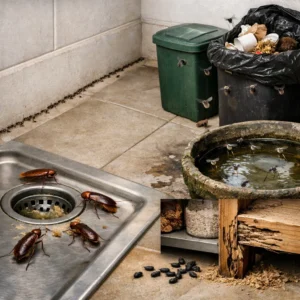
When dealing with a pest problem, the first step is always identification. Understanding exactly which pest you are facing is crucial in choosing the right solution, whether it’s a pest killer for pest control or an eco-friendly alternative. A common issue many people face is the overwhelming range of options available, from instant kill sprays to baiting systems that take a little longer but are more targeted. Choosing the right method will depend on the type of pest, the level of infestation, and your specific goals. In this guide, we’ll walk through various types of pests, the best ways to eliminate them, and the safest methods for doing so.
Table of Contents
ToggleBug ID: Identify Your Pests
Identifying the pest correctly is essential before you reach for any pest control method. Different bugs require different treatment strategies. Below is a guide to some of the most common pests you might encounter and how to identify them.
Carpenter Ants
Carpenter ants are large black ants that often invade wooden structures, leaving piles of sawdust behind as they create nests. They do not eat wood but tunnel through it to build their nests.
What you’ll see:
- Large black or reddish ants (up to ½ inch long)
- Wood shavings or sawdust near baseboards, door frames, and window sills
- Exposed nests inside wood, especially damp or decaying wood
Pest Killer Recommendation: For carpenter ants, use baiting systems or residual sprays that target the nests deep within the wood.
Grease Ants
Grease ants are tiny, light-colored ants that often invade kitchens in search of food, particularly greasy or fatty substances.
What you’ll see:
- Small, light brown ants (⅛ inch long)
- Trails leading to kitchen sinks, counters, and food waste areas
- Activity peaking in the warmer months
Pest Killer Recommendation: Instant kill sprays or baiting traps that contain fats or proteins work best for grease ants.
Other Common Pests
- Termites: Often seen in the spring, termites are destructive pests that cause significant damage to wooden structures. Look for mud tubes and hollowed-out wood.
- Cockroaches: Look for them hiding in dark, moist areas like kitchens and bathrooms. Their egg cases are often brown or black.
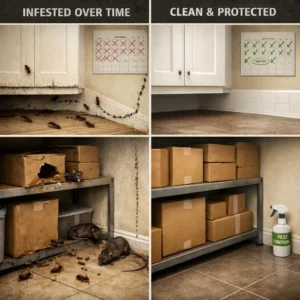
- Rodents: Mice and rats leave droppings, urine marks, and chewed wires or insulation. They are active at night.
Understanding the Causes of Infestation
Before you decide on a pest killer, it’s important to understand why pests are coming into your home in the first place. Addressing the root cause can make your efforts more effective and reduce the likelihood of future infestations.
Moisture
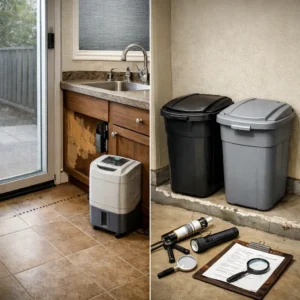
Pests like carpenter ants, termites, and cockroaches are drawn to areas with high moisture levels. Leaky pipes, damp attics, or poor drainage systems create ideal environments for these pests to thrive.
How to fix it: Repair leaks immediately and ensure proper ventilation and drainage around your home.
Entry Points
Small cracks and gaps around doors, windows, pipes, and walls are entry points for many pests. A small gap can be an open invitation for ants, rodents, and cockroaches to invade.
How to fix it: Seal cracks and gaps with caulk or foam sealant. Make sure that screens on windows and vents are intact.
Food Sources
Food left out in the open or improperly stored is a primary attraction for pests. Grease ants, cockroaches, and rodents are particularly drawn to food waste and crumbs.
How to fix it: Clean up crumbs immediately, store food in airtight containers, and dispose of waste regularly. Make sure that trash bins are tightly sealed and emptied often.
Types of Pest Killers: Which One is Right for You?
Once you’ve identified your pest and understood the root cause, the next step is selecting the right pest killer. Pest killers can be categorized by their “warfare type,” each of which works best for different situations.
Instant Kill: The Fast Solution
Instant kill sprays are ideal for immediate results. These products kill pests on contact and are often used for visible infestations. However, they are not as effective for nests or long-term prevention.
Best For: Cockroaches, ants, mosquitoes, and flies
Example Products: Aerosol sprays, electric zappers, and foggers
Price Range: Around AED 20–AED 80 depending on the product size
Residual Kill: Long-Term Barriers
Residual products create a protective barrier that continues to kill pests long after application. These are ideal for preventing reinfestations or controlling hidden pest populations, such as termites or carpenter ants.
Best For: Termites, carpenter ants, cockroaches
Example Products: Residual sprays, gels, and dusts
Price Range: AED 50–AED 150 depending on area treated
Baiting: The Long Game
Baiting systems work by attracting pests to a poison-laced bait that they carry back to their nest. Baiting is effective for pests that are not immediately visible, like ants and termites.
Best For: Ants, termites, rodents
Example Products: Bait stations, gel baits, and termite baits
Price Range: AED 50–AED 200 depending on pest type and area size
Natural/Eco-Friendly Options
Eco-friendly pest killers are non-toxic and use natural ingredients to deter or kill pests. These products are often preferred in homes with children, pets, or sensitive individuals.
Best For: Ants, flies, mosquitoes, general pest control
Example Products: Essential oil-based sprays, diatomaceous earth, organic baits
Price Range: AED 30–AED 100 depending on product type
Pro Tips: Integrated Pest Management (IPM)
Integrated Pest Management (IPM) is a holistic approach that combines prevention, monitoring, and minimal chemical usage. It’s ideal for sustainable and effective pest control.
IPM Tips:
- Use traps and baits to monitor pest activity
- Seal entry points to prevent pests from entering
- Remove food and moisture sources
- Rotate chemicals to avoid resistance
- Maintain regular cleaning schedules and inspections
IPM helps reduce the need for pesticides and minimizes environmental impact.
Common DIY Mistakes to Avoid
DIY pest control is popular, but it can often backfire. Some common mistakes include:
- Spraying ants: Spraying ant trails without targeting the colony can cause “budding,” where the colony splits into multiple groups.
- Overusing pesticides: Using too much pesticide can harm the environment and make pests resistant.
- Incorrect treatment: Using the wrong pest killer for the wrong pest can make the problem worse.
It’s important to understand that DIY methods are often only effective for minor, localized problems. For large infestations, or to prevent future issues, professional pest control is the safer and more effective choice.
Safety Considerations
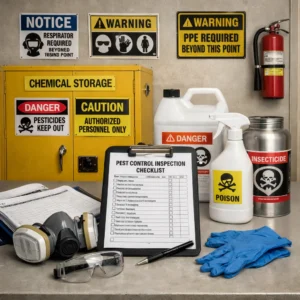
When using pest killers, safety is paramount. Always ensure that you follow the instructions on the label, use the appropriate Personal Protective Equipment (PPE), and be aware of the risks associated with different treatments.
Common Safety Tips:
- Wear gloves, masks, and goggles when applying pesticides
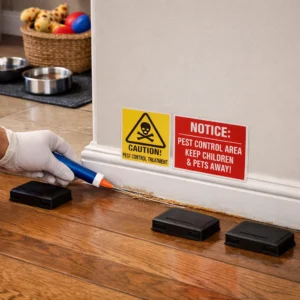
- Ensure pets and children are kept away from treated areas
- Follow re-entry times to avoid exposure
- Use outdoor chemicals only outdoors
Improper application of chemicals, especially indoor chemicals used outdoors, can be dangerous and cause long-term health effects.
Price Comparison Table: Choosing the Right Pest Killer
| Product Type | Price Range | Effectiveness | Ease of Use |
|---|---|---|---|
| Instant Kill (Sprays) | AED 20–AED 80 | Fast results, immediate impact | Easy to use, but not long-lasting |
| Residual (Barriers) | AED 50–AED 150 | Long-term prevention | Moderate ease of use, requires more time |
| Baiting (Long Game) | AED 50–AED 200 | Targeted control, slower effect | Simple setup, but requires patience |
| Natural/Eco-Friendly | AED 30–AED 100 | Eco-safe, mild effect | Easy to apply, requires frequent use |
TL;DR (Too Long; Didn’t Read)
- Identify your pest correctly to choose the best pest killer
- Choose the appropriate pest killer based on infestation level and long-term goals
- Instant kill sprays work quickly but are short-term solutions
- Residual products are great for preventing future infestations
- Natural and eco-friendly options are safe for families but may require more frequent reapplication
Professional pest control should be considered when DIY efforts are ineffective, or when health and property are at risk. Using a combination of prevention and the right pest killers is the key to a pest-free environment.