Pest problems often appear in ways that are easy to dismiss at first. A few insects near the sink, small droppings behind appliances, faint scratching sounds at night, or damaged wood that does not look serious yet. Over time, these signs usually become clearer and more frequent. When this happens, many people start looking for a service that can handle the situation properly and consistently, which is where pest man pest control services are commonly considered.
Professional pest control is not only about removing pests that are already visible. It is about understanding what type of pest is present, where it is coming from, and how to stop it from returning. This article explains common local pest problems, how to recognize early signs of infestation, what to expect from a professional pest control service process, how pricing transparency usually works without hidden surprises, the difference between DIY and professional treatment, and how safety, certifications, and experience help protect families, pets, and workplaces.
Table of Contents
ToggleCommon local pest problems and how to recognize them
Different pests leave different signs. Knowing what to look for helps you act earlier and avoid unnecessary damage or health risks.
Cockroaches
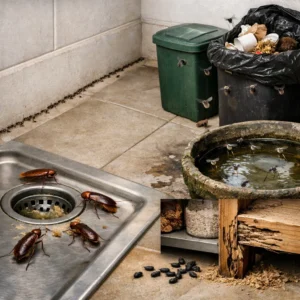
Cockroaches are often active at night and hide in warm, moist areas. Common signs include small dark droppings, a strong musty smell, and sudden movement when lights are turned on. Kitchens, bathrooms, and storage areas are typical hotspots.
Ants
Ant infestations usually appear as visible trails along walls, floors, or window edges. These trails often lead to food or water sources. Even if only a few ants are visible, the main colony is usually hidden inside walls or underground.
Bed bugs
Bed bugs leave bite marks on the skin, often in lines or clusters. Other signs include small blood spots on bedding, dark marks along mattress seams, and shed skins near sleeping areas.
Rats and mice
Rodent activity is often identified by droppings, gnaw marks on furniture or wires, scratching sounds inside walls or ceilings, and damaged food packaging. Rodents are not only destructive but also pose health risks.
Termites
Termite damage is usually hidden. Signs include hollow-sounding wood, small holes in wooden surfaces, and fine dust near door frames or furniture. By the time these signs are visible, damage may already be significant.
Mosquitoes and flies
Mosquitoes are often linked to standing water, while flies are attracted to waste and food areas. An increase in their presence often indicates underlying hygiene or drainage issues.
Why professional pest control is often necessary
Pests are adaptable. Once they find food, water, and shelter, they can spread quickly through hidden pathways such as walls, ceilings, drains, and shared building structures. Surface cleaning or spraying usually addresses only the visible part of the problem.
Professional pest man pest control services focus on controlling the infestation at its source. This reduces the chance of pests returning and limits the risks associated with repeated DIY attempts.
What to expect from the service process
A professional pest control service follows a structured process. Understanding this process helps set realistic expectations.
Step 1: Initial inspection
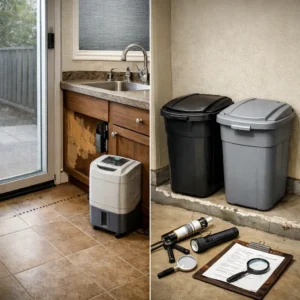
The process usually starts with an inspection. The technician identifies the pest type, checks affected areas, and looks for entry points, nests, or breeding zones.
Step 2: Assessment and explanation
After inspection, the findings are explained in simple terms. This includes what pest is present, why it is there, and what treatment approach is recommended.
Step 3: Treatment plan
A treatment plan is prepared based on the pest type, infestation level, and property layout. This may involve targeted application, trapping, or exclusion methods.
Step 4: Treatment application
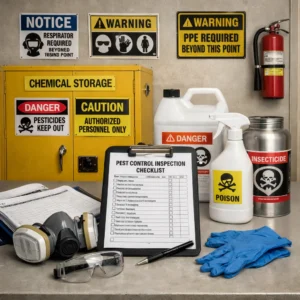
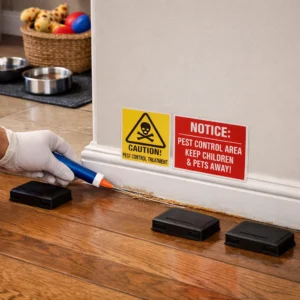
The treatment is applied carefully, focusing on affected areas rather than unnecessary spraying. Safety measures are followed throughout the process.
Step 5: Prevention guidance
After treatment, practical advice is given on how to reduce future risk, such as hygiene practices, moisture control, and small repairs.
Pricing transparency and what affects cost
Professional pest control pricing is not based on guesswork. Costs are influenced by several clear factors, and a transparent service explains these before starting work.
Common factors that affect pricing include:
- Type of pest involved
- Size and layout of the property
- Severity of the infestation
- Indoor versus outdoor treatment
- Access difficulty and safety requirements
Instead of offering a one-size-fits-all price, reputable services provide an estimate after inspection. This helps avoid hidden charges and ensures the treatment matches the actual problem.
DIY solutions versus professional treatment
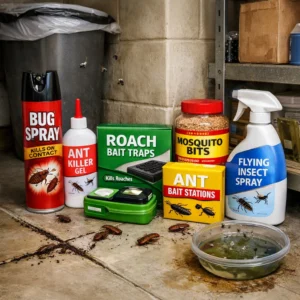
DIY pest control solutions can help in very early stages, but they have clear limitations.
When DIY may help
- Minor, early-stage pest activity
- Preventive measures such as cleaning and sealing gaps
- Temporary reduction of visible pests
When DIY often fails
- Pests return repeatedly
- Multiple rooms or units are affected
- Nests or breeding areas are hidden
- Health risks or property damage appear
Professional pest control becomes the safer choice when DIY attempts no longer control the situation effectively.
Safety considerations for families and pets
Safety is a major concern for anyone considering pest control. Professional services use approved methods designed to minimize risk when applied correctly.
Safety measures usually include:
- Clear preparation instructions before treatment
- Targeted application instead of broad spraying
- Protection of food preparation areas
- Guidance on re-entry time if needed
- Specific precautions for pets and children
Certifications and training ensure that technicians understand how to apply treatments responsibly.
Building trust through real-world results
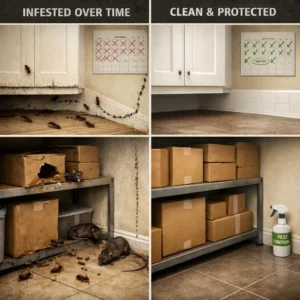
Trust in pest control services is often built through experience and visible results. Before-and-after outcomes, repeat customers, and local case examples help demonstrate effectiveness.
Common indicators of reliable service include:
- Clear documentation of treatment results
- Positive feedback from nearby properties
- Consistent service quality across visits
- Willingness to explain methods and follow-up steps
Frequently asked questions
Is pest control safe for my family?
When handled by trained professionals using approved methods, pest control is designed to be safe. Preparation and aftercare instructions further reduce risk.
How long does the treatment take?
The duration depends on the pest type and property size. Most standard treatments are completed within a few hours.
Will pests come back?
No treatment can guarantee zero pest activity forever. However, professional treatment combined with prevention steps significantly reduces recurrence.
Do I need to leave my home?
This depends on the treatment type. In many cases, short re-entry times or no relocation is required.
Knowing when to act
Pest problems rarely resolve on their own. Delaying action often leads to higher costs, greater damage, and increased health risks. Early inspection helps keep the problem manageable.
pest man pest control services are typically contacted when people want a structured, professional approach rather than repeated trial-and-error solutions. Quick consultation, especially via mobile contact options, helps address urgent concerns before they escalate.
Conclusion
Effective pest control is about more than removing pests. It involves correct identification, safe treatment, clear communication, and preventive guidance. By understanding common pest signs, knowing what to expect from the service process, and recognizing the limits of DIY solutions, property owners can make informed decisions and protect their living and working environments.