Pest problems often begin quietly. A strange smell in a cupboard, faint scratching sounds at night, small droppings near walls, or unexplained damage to packaging can easily be overlooked. Over time, however, these signs usually point to a growing issue that becomes harder to manage if ignored. This is where pest services play an important role, helping homeowners and businesses understand what they are dealing with and how serious the situation really is.
This article explains how pest services work in practical terms. It helps readers visually recognize common pests through clear comparisons, understand early warning signs such as smells, sounds, or damage patterns, and use a basic danger scale to decide whether a problem is a minor nuisance or requires urgent professional action. It also explains inspection, treatment, follow-up, and prevention processes, outlines what affects pricing without listing fixed numbers, clarifies the difference between DIY and professional approaches, and provides seasonal and preventive guidance to reduce future risk.
Table of Contents
ToggleRecognizing common pests through visual comparison
Correctly identifying a pest is the first step toward effective control. Many pests look similar at a glance, but their behavior, risks, and required treatment can be very different.
Cockroaches vs beetles
Cockroaches are usually flat-bodied, fast-moving insects with long antennae. They tend to hide in dark, warm, and moist areas such as kitchens, bathrooms, and drains. Beetles, on the other hand, often have harder shells, move more slowly, and are commonly found near stored food or outdoor lighting. Cockroaches usually indicate sanitation or moisture issues, while beetles may be linked to stored products or external entry.
Bed bugs vs fleas
Bed bugs are small, oval-shaped, and reddish-brown. They hide in mattresses, bed frames, and furniture seams and are usually active at night. Fleas are smaller, darker, and capable of jumping long distances. Fleas are often associated with pets, while bed bugs are linked to furniture, luggage, or shared living spaces.
Ants vs termites
Ants and termites are often confused. Ants typically have narrow waists and bent antennae, while termites have straight antennae and uniform bodies. Termites are far more dangerous because they feed on wood and can cause structural damage, whereas ants are usually attracted to food and moisture.
Rats vs mice
Rats are larger, with thicker tails and heavier bodies, and they tend to leave larger droppings. Mice are smaller, with slimmer bodies and finer droppings. Both pose health risks, but rats are more likely to cause significant structural and wiring damage.
Early signs that indicate pest activity
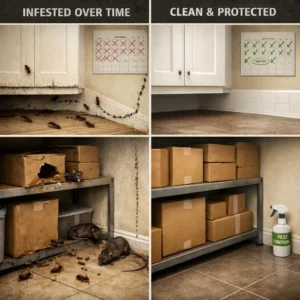
Pests are often present long before they are seen. Recognizing early warning signs can help prevent a small issue from becoming a major infestation.
Unusual smells
Strong, musty, or ammonia-like odors can indicate rodent nests or cockroach activity. Moldy smells may point to moisture problems that attract pests such as insects and mites.
Sounds in walls or ceilings
Scratching, gnawing, or scurrying noises—especially at night—often indicate rodents. Insects such as termites may produce faint clicking or rustling sounds inside wooden structures.
Damage patterns
Chewed packaging, gnawed wires, hollow-sounding wood, or small holes in walls and furniture are common signs of pest activity. Different pests leave distinct damage patterns that help with identification.
Droppings and tracks
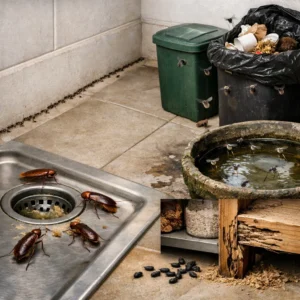
Small droppings, grease marks along walls, or visible trails can reveal where pests are moving and nesting.
A basic danger scale for pest problems
Not all pests require the same level of urgency. A simple danger scale can help decide when professional pest services are necessary.
Low risk: minor nuisance
Occasional sightings of ants, flies, or insects near doors or windows may fall into this category. These issues can often be managed with basic cleaning, sealing entry points, and monitoring.
Moderate risk: developing infestation
Repeated sightings, small droppings, or minor damage suggest a growing problem. At this stage, professional assessment is often recommended to prevent escalation.
High risk: urgent action required
Daytime pest activity, strong odors, structural damage, bites, allergic reactions, or rodents inside living or working areas indicate a serious issue. Immediate professional pest services are usually the safest option.
How pest services generally work
Professional pest services follow a structured process designed to control pests safely and reduce the likelihood of recurrence.
Inspection
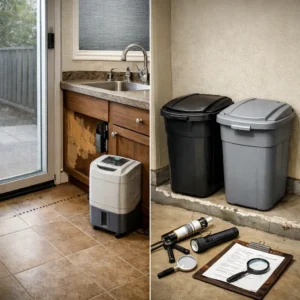
The process begins with a detailed inspection. Technicians identify the pest species, infestation level, entry points, and conditions that attract pests. This step is critical for choosing the right treatment.
Treatment
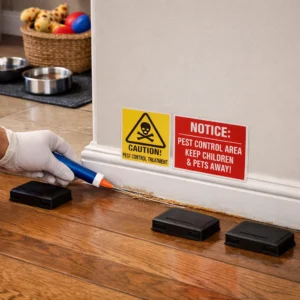
Treatment methods are selected based on the pest type and environment. Rather than general spraying, professionals use targeted approaches that focus on nests, breeding areas, and high-activity zones.
Follow-up
Follow-up visits may be recommended to ensure the treatment was effective and to address any remaining activity. Some pests require multiple stages of treatment.
Prevention guidance
Effective pest services include advice on sanitation, maintenance, and structural improvements to reduce future risk.
What affects the cost of pest services
Pest service pricing is influenced by several factors rather than a single fixed rate.
- Type of pest involved
- Size and layout of the property
- Severity of the infestation
- Indoor versus outdoor treatment
- Access difficulty and safety considerations
- Need for follow-up or ongoing monitoring
Understanding these factors helps set realistic expectations when requesting an inspection or estimate.
DIY approaches and their limitations
DIY pest control can be effective in very limited situations, especially at an early stage.
When DIY may be sufficient
- Isolated insect sightings
- Clearly identified entry points that can be sealed
- No signs of nesting or breeding
When DIY becomes ineffective or unsafe
- Repeated pest activity despite treatment
- Hidden nests inside walls or ceilings
- Rodents or termites
- Health risks such as bites or allergies
- Improper use of chemicals
At this point, professional pest services are usually safer and more effective.
Seasonal pest patterns and preventive guidance
Different pests are more active during certain times of the year.
Warm seasons
Insects such as cockroaches, ants, mosquitoes, and flies are more active in warmer months. Regular cleaning, moisture control, and waste management help reduce risk.
Cooler seasons
Rodents often seek shelter indoors during cooler periods. Sealing gaps, securing food storage, and monitoring storage areas are important preventive steps.
Integrated pest management and safety considerations
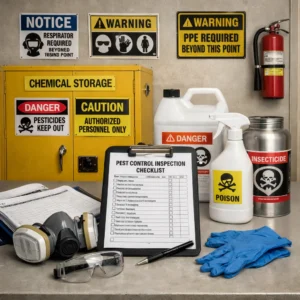
Modern pest services often follow integrated pest management practices. This approach combines inspection, targeted treatment, monitoring, and prevention to reduce reliance on chemicals.
Safety considerations include:
- Using approved products in controlled quantities
- Protecting food and sensitive areas
- Providing clear preparation and aftercare instructions
- Considering children, pets, and vulnerable individuals
When to seek a professional assessment
A professional assessment is recommended when pest activity persists, spreads, or poses health or property risks. Early assessment often prevents higher costs and greater disruption later.
Pest services help turn uncertainty into clarity by identifying the real problem and outlining practical next steps.
Conclusion
Pest problems vary in severity, but understanding what you are dealing with makes a significant difference. By recognizing pests visually, noticing early warning signs, using a basic danger scale, and understanding how pest services work, homeowners and businesses can make informed decisions. Combining preventive measures with professional assessment when needed helps keep environments safer, cleaner, and more resilient against future infestations.