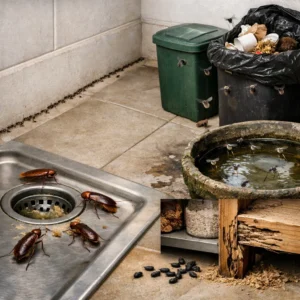
Pest problems rarely follow a predictable pattern. In many homes and businesses, the first signs appear quietly—small insects near sinks, faint noises in storage areas, unusual smells, or unexplained bites. Over time, these signs often grow into a persistent issue that affects hygiene, comfort, health, and even structural safety. This is where a reliable pest services company becomes important, not only to remove visible pests but to manage the problem in a way that prevents it from returning.
A professional pest services company is not just a reactive service that sprays chemicals and leaves. It operates as a long-term partner, combining inspection, identification, treatment, safety management, and prevention planning. This article explains how pest services companies work from an industry perspective, how to visually identify common pests and early infestation signs, why pest control is a year-round necessity, how safety and eco-friendly practices are handled, how pricing is structured with real numbers, what questions clients should ask technicians, and why ongoing maintenance is more effective than one-time treatments.
Table of Contents
ToggleVisual pest identification and early warning signs
One of the most common reasons infestations worsen is misidentification. Many pests look similar at first glance, yet require very different treatment approaches. A professional pest services company trains its technicians to identify pests accurately before any treatment begins.
Cockroaches vs beetles
Cockroaches are often confused with certain beetles. Cockroaches usually have flat bodies, long antennae, and move quickly toward dark, moist areas. Early signs include droppings that resemble black pepper, egg cases near appliances, and a musty odor in kitchens or bathrooms.
Ants vs termites
Ants and termites are frequently mistaken for each other, especially when winged. Ants typically have narrow waists and bent antennae, while termites have straight antennae and uniform body width. Mud tubes on walls or damaged wood are early termite indicators that require immediate professional attention.
Bed bugs vs mosquitoes or fleas
Bed bug bites are often mistaken for mosquito or flea bites. Bed bugs usually leave bite clusters or lines and hide in mattresses, bed frames, and furniture seams. Blood spots on sheets and tiny dark stains are common early signs.
Rats vs mice
Both rodents leave droppings, but size and shape differ. Rats leave larger, blunt droppings, while mice leave smaller, pointed ones. Gnaw marks on wires, packaging, or wood are early warnings that should never be ignored.
A pest services company uses visual inspection, monitoring tools, and experience to confirm pest identity before recommending treatment.
Pest seasonality and why control is year-round
Many people assume pests appear only during certain seasons. In reality, pest activity often follows seasonal patterns, but control must be continuous.
Seasonal trends typically include:
- Increased cockroach and ant activity during warmer months
- Higher mosquito presence near standing water during humid periods
- Rodents seeking shelter indoors during temperature changes
- Year-round bed bug activity due to human movement and shared spaces
Because indoor environments provide stable shelter, food, and warmth, pests do not disappear completely. This is why a pest services company emphasizes monitoring and prevention rather than one-time treatments.
Why pest control is not a one-time action
One of the biggest misconceptions is that pest control is a single event. While one treatment may reduce visible activity, it rarely addresses underlying causes such as entry points, moisture, or nesting sites.
Professional pest services companies focus on:
- Breaking pest life cycles
- Reducing attractants like food and moisture
- Sealing access points
- Monitoring activity over time
This approach explains why follow-up visits or maintenance plans exist—they are designed to prevent re-infestation rather than react to it.
Safety practices for families, pets, and employees
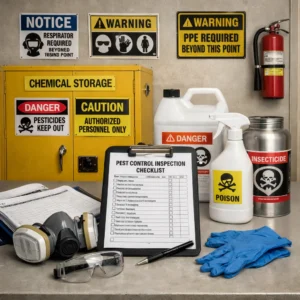
Safety is a core responsibility of any reputable pest services company. Treatments are selected and applied based on risk assessment, not convenience.
Standard safety practices include:
- Using municipality-approved and regulated products
- Applying treatments in targeted areas rather than broad spraying
- Providing preparation instructions before service
- Advising on re-entry times if required
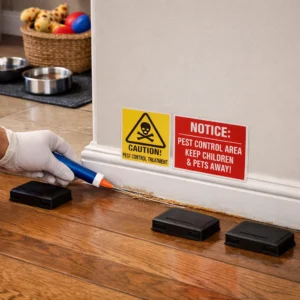
- Offering pet- and child-safe treatment options where suitable
Professionals also understand dosage control. Overuse of chemicals—common in DIY attempts—often causes health risks without improving effectiveness.
Eco-friendly and low-toxicity treatment options
Many modern pest services companies now offer eco-friendly or reduced-toxicity solutions. These options focus on controlling pests while minimizing impact on people and the environment.
Eco-conscious methods may include:
- Bait-based systems that target specific pests
- Physical exclusion and sealing methods
- Monitoring traps instead of chemical sprays
- Integrated pest management strategies
These approaches are particularly useful in homes with children or pets, as well as schools, clinics, and food-related businesses.
The basic science behind why treatments work or fail
Pest control is effective only when it aligns with pest biology and behavior. Treatments fail when they do not account for nesting habits, reproduction cycles, or movement patterns.
For example:
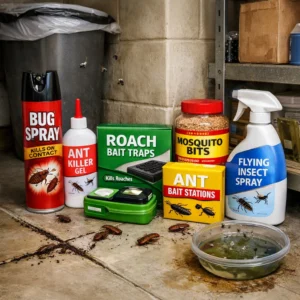
- Surface sprays may kill visible insects but leave nests untouched
- Incorrect bait placement can push pests deeper into walls
- Wrong chemical selection may cause pest resistance
A pest services company relies on understanding these factors to choose the correct treatment strategy.
How pest services companies operate as an industry
From an industry perspective, pest services companies operate through structured workflows designed to manage risk and ensure consistency.
Typical operations include:
- Initial inspection and assessment
- Customized treatment planning
- Application by trained technicians
- Documentation and compliance reporting
- Follow-up and monitoring
This structured approach allows companies to deliver predictable results while maintaining safety and regulatory compliance.
How pricing is structured and what affects cost
Pricing is one of the most common questions clients have. A professional pest services company does not use guesswork pricing.
Key factors that affect cost include:
- Type of pest
- Property size and layout
- Infestation severity
- Indoor versus outdoor treatment
- Need for follow-up visits
For residential insect control such as cockroaches, ants, or bed bugs, basic apartment pricing often starts from AED 119 for studio units, increasing gradually for larger apartments. This usually includes inspection, treatment, and basic prevention advice.
Rodent control typically starts from AED 79 for studio apartments, with additional costs for bait station installation, usually AED 55 per unit.
Commercial pest control pricing is commonly calculated by area. Small commercial spaces may start from AED 120 for areas up to 50 sqm, with costs increasing based on size and risk level.
All prices represent basic pest control treatment. Final pricing is always confirmed after inspection and approved before work begins.
Questions clients should ask a pest services company
Asking the right questions helps ensure transparency and effectiveness.
Important questions include:
- What pest species have you identified?
- What treatment method will be used and why?
- Is the treatment safe for children and pets?
- What preparation is required?
- Are follow-up visits included or recommended?
Post-service care and prevention tips
Post-treatment care plays a major role in long-term success.
Practical prevention tips include:
- Keeping food sealed and areas clean
- Fixing leaks and reducing moisture
- Sealing cracks and entry points
- Reducing clutter and unnecessary storage
- Scheduling periodic inspections
A pest services company often provides tailored advice based on the specific property.
Why ongoing maintenance works better than reactive treatment
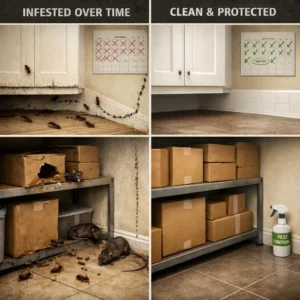
Ongoing maintenance allows early detection and intervention before infestations grow. This approach reduces cost, disruption, and health risk over time.
Maintenance plans are especially useful for:
- Restaurants and food businesses
- Residential buildings with shared spaces
- Warehouses and storage facilities
- Homes with previous infestations
A practical next step toward long-term control
Pest problems rarely disappear permanently without a structured approach. While early DIY actions may help, recurring or spreading infestations usually require professional involvement.
First Station Pest Control Services operates as a pest services company that focuses on inspection-led treatment, transparent pricing, safety-first methods, and long-term prevention. For those unsure whether professional service is needed yet, using the WhatsApp or Call button allows a calm discussion to understand risks, costs, and the most suitable next step.
Conclusion
A pest services company plays a critical role in protecting health, property, and daily comfort. By understanding pest identification, seasonality, safety practices, pricing structures, and the value of ongoing maintenance, homes and businesses can move from reactive pest control to proactive long-term protection.