When searching for pest treatment cost, most people are looking for an estimate of how much they will need to spend to rid their property of pests. Whether it’s for ants, rodents, bed bugs, termites, or any other pest, understanding pricing can help you make informed decisions about your pest control needs. This article will walk you through the typical costs of pest treatments, the factors that influence those costs, and why professional services often provide better value than DIY solutions. Additionally, we’ll highlight the hidden costs of DIY pest control, the red flags in low-ball quotes, and how warranties and guarantees can provide value to the consumer.
Table of Contents
ToggleUnderstanding Pest Treatment Costs
Pricing for pest control services varies depending on several factors, including the type of pest, the size of the property, and the extent of the infestation. Below is a general overview of typical pest treatment costs in residential and commercial settings:
Ballpark Pricing for Common Pests
While the exact cost of pest treatment depends on a variety of factors, here are some typical price ranges for common pest treatments:
| Pest Type | Estimated Cost (AED) |
|---|---|
| Ants | AED 119 – AED 179 (depending on unit size) |
| Rodents (Rats and Mice) | AED 79 – AED 219 (based on apartment size and number of bait stations) |
| Bed Bugs | AED 119 – AED 287 (based on the number of rooms treated) |
| Termites | AED 300 – AED 1300 (depending on apartment size and treatment method) |
| General Insect Control (Cockroaches, Flies, Mosquitoes) | AED 119 – AED 238 (based on apartment size) |
| Outdoor Treatment (Garden and Yard Areas) | AED 150 – AED 290 (based on area size) |
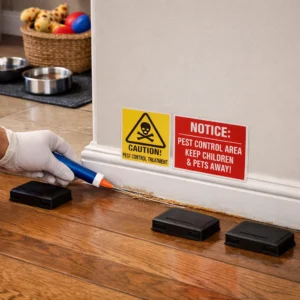
These prices represent basic pest control treatments and may increase depending on the infestation level and size of the property. More complex issues, such as termite infestations or severe bed bug problems, may require a more extensive treatment, increasing the cost accordingly.
The Four Major Price Drivers in Pest Treatment Cost
Several factors contribute to the final price of pest control services. Understanding these price drivers will help you better manage expectations and make decisions accordingly:
1. Property Size
One of the biggest factors that affect pest treatment cost is the size of the property. Larger properties require more extensive treatment, more time, and more products. For instance, treating a 1-bedroom apartment will typically cost less than treating a 5-bedroom villa. If the pest infestation is spread across multiple areas of a property, this can also increase the cost.
2. Type of Pest
The type of pest you are dealing with directly influences the cost of treatment. Some pests are easier to control and treat, while others require more specialized methods or chemicals. For example, rodents and ants are generally easier to deal with than termites or bed bugs, which often need multiple treatments, more intensive application of chemicals, and follow-up services.
3. Severity of Infestation
The extent of the infestation plays a critical role in determining the cost. A small number of pests found in a specific area will cost less to treat than a widespread infestation that has affected multiple rooms or areas. For instance, if bed bugs are confined to one room, treatment will be cheaper. However, if they’ve spread across several rooms or an entire building, the price will increase accordingly.
4. Frequency of Treatment
In some cases, pest control may be a one-time service, but for recurring pest problems, treatments may need to be scheduled regularly. Ongoing maintenance plans for pest control are often offered at a discount and can help prevent future infestations. For example, monthly visits for rodent control or quarterly termite inspections are common in commercial spaces.
The Hidden Costs of DIY Pest Control
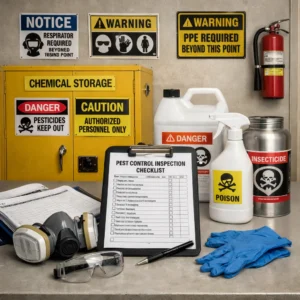
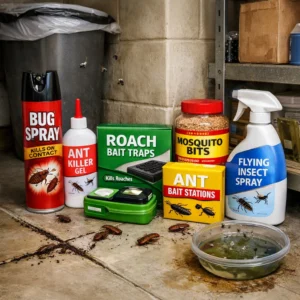
DIY pest control may initially seem like a more affordable option, but it often ends up costing more in the long run. Here are some of the hidden costs associated with DIY pest control:
- Store-bought Sprays: While they may offer immediate relief, store-bought sprays often fail to address the root cause of the infestation. Chemicals may kill visible pests, but they don’t target hidden nests or long-term sources of the problem.
- Damage to Property: DIY methods can lead to property damage, such as accidentally applying the wrong chemicals to sensitive areas, or poorly handling pest-control tools that can cause damage.
- Time Spent: DIY pest control requires a lot of time spent researching the right products, applying them, and managing treatments. Additionally, the time spent cleaning and reapplying treatments can lead to wasted hours.
- Potential Health Risks: Improper use of chemicals can expose you and your family to harmful substances, especially if DIY methods are not done with the proper knowledge or precautions.
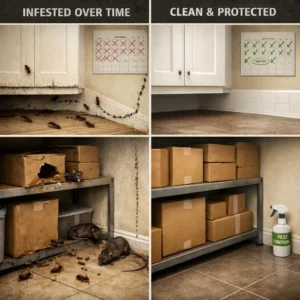
In many cases, what seems like a cost-saving approach actually results in more money being spent due to ineffective results, resulting in ongoing treatment or damage repairs.
How to Spot a Bad Quote
When looking for pest control, one thing to watch out for is “low-ball” pricing. Some companies offer unrealistically low quotes, promising a quick solution at an incredibly low price. Here’s why this should raise a red flag:
- Unrealistic low prices: A reputable company will offer a clear and transparent breakdown of pricing. A price that seems too low might indicate that the service is either using ineffective methods or cutting corners.
- Missed exclusions: Low prices might not cover everything, such as follow-up visits or extra treatments if the pests return. Always ask for a detailed list of what is and isn’t included.
- Short-term solutions: Some low-cost providers may only offer a quick fix rather than a comprehensive treatment. This may result in pests returning shortly after treatment.
Always ask for a detailed quote that includes inspections, treatments, chemicals used, and follow-up procedures. Transparent and realistic pricing is a sign of a reliable company.
What to Expect from Professional Pest Control Guarantees and Warranties
Reputable pest control companies offer guarantees and warranties to give customers peace of mind. These typically include:
- Service guarantees: Most companies will offer a guarantee on their work, meaning if the pests return within a certain period, they will return to re-treat the problem at no extra charge.
- Follow-up visits: Some providers offer follow-up visits to ensure that the pests are fully under control. This is especially common for ongoing treatments like rodent control or termites.
- Maintenance plans: Regular inspections or treatments scheduled on a monthly or quarterly basis are often available for businesses or high-risk areas.
Professional services that offer a guarantee usually stand by their methods and are committed to ensuring the problem is resolved. It’s important to ask for the terms of the guarantee and what steps will be taken if pests return after treatment.
Pre-Treatment Checklist to Help Reduce Costs
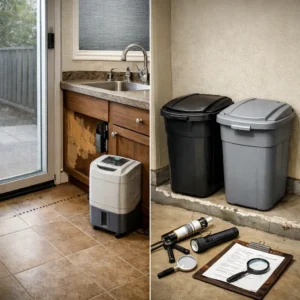
To help reduce the overall cost of pest treatment, there are a few steps you can take before the pest control provider arrives. These actions help ensure that the pest control treatment is as effective as possible, reducing the amount of time and product required:
- Declutter: Remove unnecessary items, particularly around areas that may be affected by pests, such as the kitchen, pantry, and bathroom. This makes it easier for the technician to inspect and treat the affected areas.
- Identify the pest: If possible, try to identify the type of pest you are dealing with before calling the provider. This can help them bring the appropriate treatment, saving time and money.
- Fix obvious entry points: Seal gaps in windows, doors, and pipes where pests may be entering. This will help prevent future infestations and reduce the need for additional treatments.
- Communicate any past treatments: Let the pest control service know if you’ve tried any DIY methods or other treatments so they can adjust their plan accordingly.
Comparing DIY vs Professional Pest Control Costs
While DIY pest control may seem cheaper initially, it often ends up costing more in the long run. Here’s a comparison between the costs associated with DIY methods and professional pest control:
| Method | Typical Costs (AED) | Effectiveness |
|---|---|---|
| DIY (sprays, traps, and home remedies) | AED 50 – AED 200 (based on products) | Varies widely; usually ineffective for long-term control |
| Professional pest control services | AED 119 – AED 1300 (based on property size and infestation) | High effectiveness, longer-term results, guaranteed |
While DIY may seem like a cheaper solution, it’s often ineffective for large or recurring infestations. Professional services offer guaranteed results, greater effectiveness, and long-term prevention.
Conclusion
Pest treatment cost is a significant factor when choosing pest control services, but it’s essential to focus on value, not just the lowest price. Professional pest control provides better long-term results and peace of mind, with warranties, guarantees, and effective treatments. While DIY methods may work temporarily, they often end up costing more in time, effort, and repeat treatments. Always ask for detailed quotes, understand what’s included in the service, and choose licensed providers who can deliver reliable results.