Pest problems can escalate quickly, especially when pests are invading your home or business at an alarming rate. A swift response is crucial to reduce discomfort, minimize health risks, and prevent long-term property damage. But how can you tell when quick fixes are enough and when you need professional pest control? This article provides actionable steps to take immediately, a pest identification guide, speed vs. safety tips, a comparison table of quick pest control methods, and long-term prevention strategies.
Table of Contents
ToggleQuick Pest Control: Immediate Steps for Fast Action
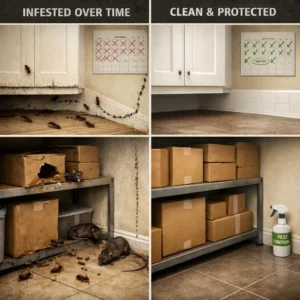
When pests appear suddenly, it can be overwhelming. However, there are immediate actions you can take to stop them from spreading. Think of it as a “First Aid” for pest infestations. Below is a quick checklist to control the problem before it escalates.
- Seal Entry Points: Identify and close any cracks, gaps, or openings in doors, windows, and walls. Pests like cockroaches, ants, and rodents often enter through these spaces.
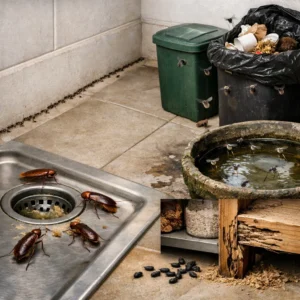
- Clear Standing Water: Water attracts pests such as mosquitoes and ants. Check under sinks, around air conditioning units, and in bathrooms. Fix leaks and dry up moisture.
- Remove Food Sources: Store food in sealed containers and clean up crumbs or spills immediately. Pests like cockroaches, rodents, and ants are attracted to food.
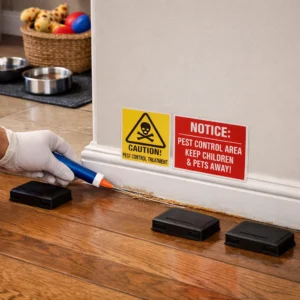
- Set Traps or Bait Stations: If you’re dealing with rodents, set up traps or bait stations to catch them quickly. These can help control the pest population in the short term.
- Use Non-toxic Repellents: Natural repellents like essential oils (peppermint, lavender) can deter insects without harmful chemicals.
Pest Identification Guide
Correctly identifying the pest is the first step in any pest control effort. Below is a simple guide to help you recognize common pests in your home. Identifying the pest properly will help you choose the best treatment method.
Common Pests and Their Signs
- Cockroaches: Dark, oval-shaped, and fast-moving. They leave droppings behind, which look like black pepper.
- Ants: Tiny insects, typically black or red, often seen in long trails. They are attracted to food sources.
- Rodents (Mice and Rats): Small to medium-sized creatures with fur and long tails. Look for droppings, gnaw marks, and visible paths along walls.
- Bed Bugs: Small, reddish-brown, oval-shaped insects that hide in furniture, cracks, and mattresses. Bites often appear in rows.
- Termites: White or light brown with translucent wings. They often cause wood damage, leaving small holes in furniture or walls.
For high-quality photos and more details on pest identification, use the “Pest Identifier” tool on our website.
Speed vs. Safety: Choosing the Right Solution
When you’re dealing with a pest problem, speed is important, but safety should always come first—especially when children and pets are involved. Below is a guide on how to balance quick solutions with safe alternatives.
Safety Considerations for Pets and Children
- Non-toxic Options: Natural repellents like essential oils (peppermint, tea tree) can be used safely around pets and children.
- Contact Sprays: If you need to use chemical sprays, ensure that you choose ones labeled as safe for homes with children and pets. Always follow the instructions carefully.
- Traps: Non-toxic traps for rodents and insects can be a safe, effective solution in high-risk areas.
- Professional Help: If the problem is severe or chemicals are required, always consider a licensed pest control provider who uses pet- and child-safe chemicals and methods.
Speed vs. Safety: Quick Fixes for Specific Pests
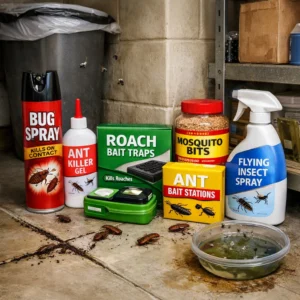
Depending on the type of pest you’re dealing with, quick fixes will vary. Below is a comparison of the most common rapid-response pest control methods.
Comparison Table: Rapid-Response Pest Control Methods
| Pest Control Method | Effectiveness | Safety | Best For |
|---|---|---|---|
| Bait Stations | Effective for rodents, slow-acting | Safe for homes, if used correctly | Rodents, cockroaches |
| Contact Sprays | Fast results, kills on contact | Can be toxic, use with care | Flies, mosquitoes, ants |
| Natural Repellents | Moderately effective, repels rather than kills | Completely safe | Flies, mosquitoes, ants |
| Sticky Traps | Effective for pests that crawl | Completely safe for pets and children | Roaches, ants, rodents |
| Professional Pest Control | Highly effective, long-term control | Safe when professionals use approved methods | Severe infestations, termites |
When to Call a Professional for Pest Control
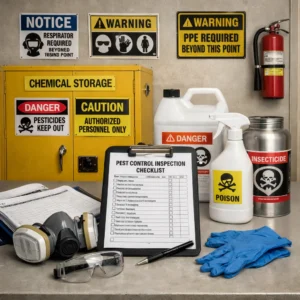
While DIY methods can help address small issues, there are times when calling a professional is the best solution. Below are scenarios when professional intervention is necessary:
- When the infestation is too large or widespread
- When DIY methods fail to control the issue
- When the type of pest requires specialized treatment (e.g., termites)
- When health or safety risks are involved
- When a long-term solution and follow-up service are needed
Long-Term Prevention: Addressing Root Causes
Once you’ve controlled the current pest issue, it’s time to look at long-term prevention. By addressing the root causes, you can ensure pests don’t return. Here are some common prevention steps:
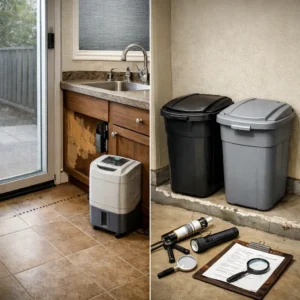
- Moisture Control: Pests like ants, cockroaches, and termites are attracted to moisture. Fix any leaks and use dehumidifiers to reduce humidity in areas like basements, kitchens, and bathrooms.
- Sealing Entry Points: Caulk gaps in windows and doors, seal cracks in walls, and repair holes in ceilings. This helps prevent pests from entering your home or office.
- Cleanliness: Regular cleaning, especially in food storage areas, helps reduce pest attraction. Ensure that all food is stored in sealed containers and that food scraps are cleaned up immediately.
- Proper Waste Disposal: Ensure that waste bins are tightly sealed and emptied regularly. Pests like rodents, flies, and cockroaches are often attracted to trash.
By making these long-term adjustments, you can greatly reduce the likelihood of pests returning.
One-Week Check-Up: Ensuring the Fix Worked
After implementing quick fixes and preventive measures, it’s important to check in a week later to ensure the problem is under control. You can:
- Look for any new pest sightings
- Check for signs of activity around entry points
- Inspect traps to see if they have caught any pests
If you still notice pests or if the problem recurs, it may be time to call a professional pest control service for further inspection.
Interactive Features: Pest Identifier and Cleaning Checklist
To make pest control even easier, we’ve created interactive tools:
- Pest Identifier Quiz: Use this tool to confirm the type of pest you’re dealing with based on physical characteristics and signs.
- Pest Prevention Cleaning Checklist: Download our cleaning checklist to help you maintain a pest-free environment long-term.
Conclusion: Quick Pest Control and Long-Term Solutions
Quick pest control steps can help you address immediate concerns and reduce the impact of an infestation. However, professional intervention is the safest and most effective way to handle larger or recurring pest issues. Remember, the best way to avoid future infestations is by identifying and addressing the root causes—like moisture and entry points. Regular check-ups, a proactive approach to cleanliness, and early detection will keep your home or business pest-free in the long run.