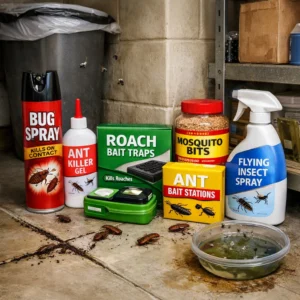
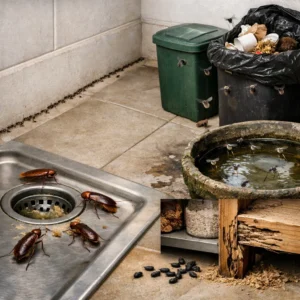
What is pest and pest control? When pests start affecting our daily lives, they become more than just a nuisance. They cause discomfort, damage to property, and in some cases, health risks. This article will help explain what pests are, how they impact our health and property, and how pest control services work to manage and eliminate these issues. Additionally, we will explore common signs of pest infestations, practical prevention steps, and when it’s time to rely on professional pest control services.
Table of Contents
ToggleWhat is a Pest?
A pest is any animal or insect that causes damage or inconvenience to human health, crops, property, or even animals. The term “pest” refers not to a specific species but to the harmful nature of certain creatures within our environment. While some animals can coexist with humans without any problems, others compete with us for food, shelter, and other resources. The harm they cause often makes them undesirable and dangerous in certain situations.
Common examples of pests include insects like cockroaches, bed bugs, ants, termites, and mosquitoes, as well as rodents such as rats and mice. Other animals, like pigeons and squirrels, can also become pests, especially in urban environments.
What is Pest Control?
Pest control refers to the management or regulation of a species defined as a pest, usually because they are seen to be detrimental to a person’s health, the ecology, or the economy. Pest control can be achieved through a variety of methods, which may involve chemical treatments, natural remedies, or a combination of both. The goal of pest control is to reduce the impact of pests by eliminating their presence in human spaces, thus minimizing damage and health risks.
There are various forms of pest control, including:
- Chemical Pest Control: Using pesticides or chemicals to kill or repel pests.
- Biological Pest Control: Introducing natural predators, parasites, or pathogens to control pest populations.
- Physical Pest Control: Using barriers, traps, or mechanical methods to prevent pests from accessing areas.
- Integrated Pest Management (IPM): A holistic approach that combines different strategies to manage pests in an environmentally sustainable way.
In many cases, pest control begins with identifying the type of pest, the level of infestation, and the potential risks associated with that particular pest.
Types of Pests That Affect Health and Property
Pests can be broadly categorized based on the damage they cause and the risks they present. Some pests affect human health, while others damage structures or property. Here’s an overview of common pests in each category:
Insects
Insects are one of the most common pests in homes and businesses. Some of the most common pest insects include:
- Cockroaches: Known for spreading bacteria and allergens, cockroaches are often found in kitchens and bathrooms. They are one of the most common pests in urban environments, particularly in high-density living spaces.
- Bed Bugs: Bed bugs cause itching, allergic reactions, and can lead to sleepless nights. These pests are notorious for hiding in mattresses, couches, and behind wallpaper, making them difficult to eradicate.
- Ants: Ants are not only a nuisance but can also contaminate food and other items. Some species, like fire ants, can be harmful to humans through their painful stings.
- Termites: Termites are among the most destructive pests. They feed on wood and can severely damage the structural integrity of a building if left unchecked.
- Mosquitoes: These pests are known for their itchy bites and their role in spreading diseases like malaria, dengue, and the Zika virus.
- Flies: Flies can spread diseases by contaminating food and surfaces with bacteria they carry on their bodies and legs.
Rodents
Rodents are a significant concern for homes, offices, restaurants, and warehouses. The most common rodent pests are:
- Rats: Rats cause serious damage to property, contaminate food, and carry diseases such as leptospirosis and salmonella. They often chew on wires, insulation, and structural elements of buildings.
- Mice: Mice are smaller than rats but cause similar damage. They contaminate food, spread diseases, and chew on wires, insulation, and wood.
Other Pests
Other pests such as birds and larger animals can also become a problem. For example, pigeons can create messes and damage property with their droppings, while squirrels may invade attics and chew through wires and insulation.
Recognizable Signs of Infestation
Recognizing the signs of a pest infestation is essential for timely intervention. Each type of pest has distinct indicators that homeowners and businesses should look out for:
Cockroaches
Signs of cockroach infestations include:
- Visible cockroaches, especially at night
- Dark streaks or droppings, particularly in hidden areas
- Unpleasant musty odor
- Damaged food packaging or chewed wires
Bed Bugs
Signs of bed bugs include:
- Red, itchy bite marks on the skin
- Blood stains on bed sheets or mattresses
- Small, rust-colored spots or eggs on furniture or carpets
Ants
Ant infestations are often visible by the long trails they leave. Look for:
- Ants marching along walls, floors, or counters
- Small piles of dirt or debris near their entry points
- Food and other items being taken away by ants
Rodents
Signs of rodent infestations include:
- Gnaw marks on food packaging, furniture, or electrical wires
- Rodent droppings near food or along walls
- Noises in walls or ceilings, especially at night
Termites
Signs of termite activity include:
- Visible mud tubes along walls, floors, or ceilings
- Hollowed-out wood or visible wood damage
- Flying termites (swarmers) during certain seasons
The Risks of Pests: Health and Structural Damage
Pests are more than just an inconvenience. They can pose significant risks to human health and property:
Health Risks
Pests such as cockroaches, bed bugs, and mosquitoes can transmit various diseases. For instance:
- Cockroaches are linked to asthma, especially in children, and they can carry bacteria that lead to food poisoning.
- Bed bugs cause itching, rashes, and allergic reactions. In rare cases, their bites can lead to secondary infections.
- Mosquitoes are well-known for spreading diseases such as malaria, dengue, and Zika virus.
Structural Risks
Other pests, particularly rodents and termites, can cause significant damage to property:
- Rats and mice chew through insulation, wires, and wooden structures, causing long-term damage.
- Termites can destroy wooden beams, doors, and furniture, leading to costly repairs.
Why Timely Pest Control Matters
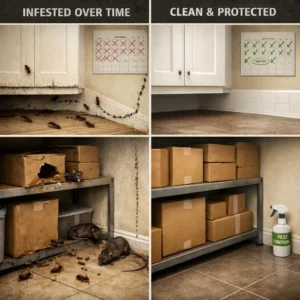
When it comes to pest control, time is of the essence. Delayed intervention can result in:
- Increased health risks from prolonged exposure to pests
- Escalated infestation size, making it more expensive to treat
- Further structural damage that could lead to costly repairs
- Worsening hygiene conditions, particularly in food-related businesses
Preventing Pest Problems: What You Can Do
Prevention is always better than treatment. While professional pest control is essential for large infestations, there are steps homeowners and business owners can take to minimize risk:
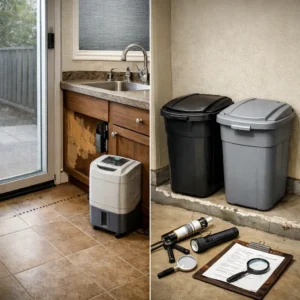
- Seal cracks and gaps in walls, windows, and doors
- Store food in airtight containers and clean up food crumbs promptly
- Fix leaks and remove standing water sources
- Regularly clean and declutter areas that are prone to pest activity
DIY Pest Control vs Professional Services
While DIY pest control methods can sometimes help manage minor issues, they are often insufficient for larger infestations. Professional pest control services are necessary when:
- The infestation is widespread and difficult to reach
- The problem persists despite DIY efforts
- The pests are causing significant damage or health concerns
Professional services offer the advantage of trained technicians who can identify the root cause of infestations and provide long-term solutions. They also use safer and more effective chemicals that are not available for general consumer use.
Integrated Pest Management (IPM)
IPM is an eco-friendly and sustainable approach to pest control that combines multiple strategies to manage pests while minimizing harm to humans, pets, and the environment.
IPM includes:
- Preventing pest access
- Using non-chemical methods when possible
- Only applying chemicals when necessary and in a targeted manner
IPM ensures that pest control is effective, safe, and sustainable in the long term.
Safety Considerations for Families and Pets
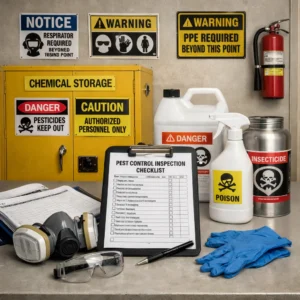
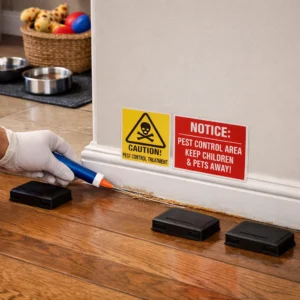
Many pest control treatments can be harmful if not applied correctly, especially in homes with children and pets. Professional services prioritize safety by:
- Using low-toxicity chemicals and eco-friendly options when possible
- Providing clear instructions on re-entry times
- Ensuring food areas are properly protected during treatments
Service Follow-Ups and Guarantees
Most reputable pest control companies offer follow-up visits or maintenance plans. These services are important for:
- Ensuring the infestation is fully under control
- Reassessing the effectiveness of treatments
- Providing additional services as needed
Guarantees depend on the severity of the infestation and the services provided, but a good provider will always stand behind their work.
Next Steps for Dealing with Pest Issues
If you’re dealing with pests, don’t wait. Ignoring the problem can lead to bigger risks and more expensive solutions later on. For homes and businesses in Sharjah, First Station Pest Control offers reliable, professional services designed to meet your specific needs. Whether you’re dealing with a small infestation or a larger issue, the team is ready to provide fast, safe, and effective pest control. Click on the WhatsApp or Call button to get in touch and schedule an inspection today!
Conclusion
Understanding what pests are, how they affect health and property, and knowing when professional pest control is necessary can save you time, money, and stress. Whether it’s tackling a small issue with a DIY approach or addressing a more significant problem with professional services, timely action makes all the difference. Don’t wait for pests to take over—control pest control with a reliable, trained professional who can ensure a safer, pest-free environment for you and your loved ones.