What is pest control? At first glance, pest control might seem like something as simple as spraying chemicals to get rid of unwanted bugs. However, pest control goes far beyond just using pesticides. It involves a structured and methodical approach aimed at preventing, managing, and eradicating pests in an effective and sustainable way. This article explores the full scope of pest control, from traditional methods to the more integrated and eco-friendly approaches that ensure long-term results.
Table of Contents
ToggleThe Importance of Pest Control
Effective pest control is necessary to maintain both the health of residents and the integrity of the property. While pests might seem like a minor nuisance at first, their effects can lead to serious problems if left unchecked. Pest control involves a combination of preventive measures and eradication techniques designed to limit the presence of pests without causing harm to humans, pets, or the environment.
Integrated Pest Management (IPM)
One of the most effective ways to control pests is through Integrated Pest Management (IPM). IPM is a more holistic approach to pest control that uses a combination of biological, physical, and chemical methods to manage pests in a sustainable manner. IPM focuses on:
- Preventing pest infestations before they start
- Using less harmful chemicals only when necessary
- Monitoring pest activity to ensure treatments are effective
- Promoting environmentally friendly pest management techniques
IPM is particularly useful because it minimizes the reliance on pesticides, making it safer for humans and pets, while also being highly effective in controlling pests.
Prevention vs Eradication
There is a fundamental difference between pest prevention and pest eradication. Prevention involves taking proactive steps to avoid infestations before they start, while eradication focuses on eliminating an existing pest problem. Both are equally important for maintaining a pest-free home or business.
Prevention includes steps such as:
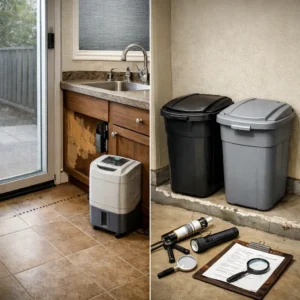
- Sealing cracks and gaps where pests can enter
- Keeping food sealed and properly stored
- Proper waste management and cleaning routines
- Regular inspections to detect early signs of pests
Eradication is often needed when an infestation has already occurred. It involves treatments such as pesticide application, trapping, and exclusion to remove the pests and prevent them from returning.
The Risks of Pest Infestations
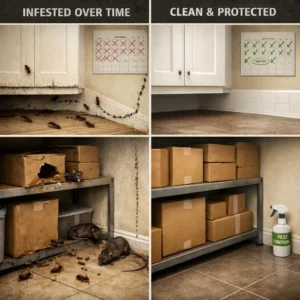
Pest infestations are more than just an inconvenience. They pose significant risks to health and property, making pest control an essential part of property maintenance. Here’s a breakdown of some of the risks pests can pose:
Health Risks
Some pests carry diseases that can spread to humans or pets. For example:
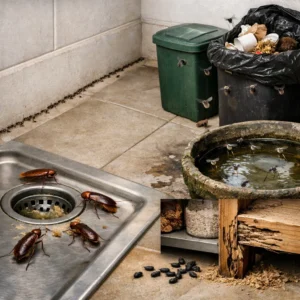
- Roaches: Cockroaches are known to spread bacteria that can lead to illnesses like food poisoning, asthma, and allergic reactions.
- Ticks: Ticks can carry Lyme disease, which can lead to severe health complications if left untreated.
- Mosquitoes: Mosquitoes are responsible for diseases such as malaria, dengue fever, and Zika virus.
- Rodents: Rats and mice can carry diseases like leptospirosis, salmonella, and hantavirus, all of which can be transmitted through droppings, urine, or saliva.
Property Damage
Pests don’t only affect human health—they can also cause significant property damage. Some common pests that destroy property include:
- Termites: Termites feed on wood, and over time, they can cause extensive structural damage to homes, furniture, and other wooden structures.
- Rodents: Mice and rats can chew through wiring, insulation, and even furniture, leading to costly repairs.
- Ants: Certain species of ants, like carpenter ants, can cause damage to wooden structures and furniture.
Common Pests and the Threats They Pose
Insects
Insects are the most common pests encountered in homes and businesses. Some of the most common and troublesome include:
- Ants: Ants can invade food storage, and certain species like carpenter ants can damage wood.
- Bed Bugs: Bed bugs are often found in bedding, furniture, and upholstery, and they cause itching, allergic reactions, and sleep disturbances.
- Cockroaches: Roaches can be found in kitchens and bathrooms, spreading disease-causing bacteria and allergens.
Rodents
Rodents such as rats and mice are highly adaptable and reproduce quickly. They can chew through wires, insulation, and even furniture. They also pose significant health risks due to their potential to carry diseases.
Wood-Destroying Pests
Wood-destroying pests, most notably termites and carpenter ants, can cause severe damage to buildings. Termites alone are responsible for billions of dollars in damages every year. They often go unnoticed until substantial damage has already occurred.
Wildlife
Wildlife pests, such as raccoons, opossums, and squirrels, are often found in attics, basements, or wall voids. These animals can be very disruptive, and their droppings and nesting can create hygiene problems. They may also damage insulation, ducts, and wiring.
DIY vs Professional Pest Control
While DIY pest control methods can work for minor infestations, they often fall short when dealing with more severe or complex pest problems. Here’s a comparison between DIY and professional pest control:
When DIY Works
DIY pest control can be effective for:
- Small, localized infestations
- Preventive measures like sealing cracks and cleaning areas
- Using traps for rodents or flies
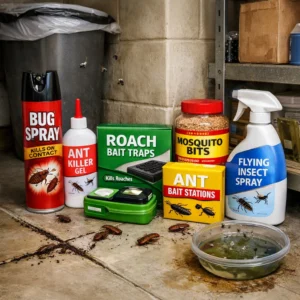
- DIY sprays for ants, cockroaches, and some insects
When to Call a Professional
Professional pest control is required when:
- The infestation is widespread or severe
- Hidden nests or breeding zones are present
- Health risks (like those associated with rodents or bed bugs) are a concern
- There is significant property damage or risk of further damage (e.g., termites)
- DIY treatments fail to provide long-term relief
Professional pest control services not only remove pests but also implement preventive strategies that help avoid recurrence. When you hire a licensed professional, you can rest assured that treatments will be applied correctly and safely.
Steps Involved in a Professional Pest Control Visit
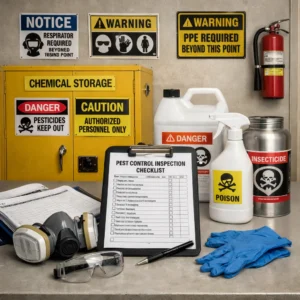
A professional pest control service usually follows a structured process to ensure comprehensive treatment and long-term control. The steps involved typically include:
- Inspection: The pest control technician conducts a thorough inspection of the premises to identify pest species, entry points, nests, and potential risks.
- Treatment Plan: Based on the inspection, the technician develops a treatment plan that targets the pest species and infestation severity.
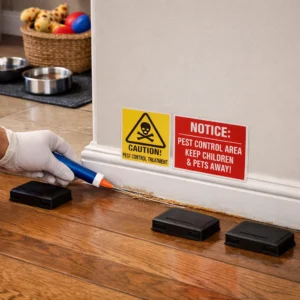
- Treatment Application: Treatment is applied according to the plan using safe, effective methods and products.
- Follow-up Visits: Depending on the situation, follow-up visits may be scheduled to ensure that the problem is fully eradicated and that pests do not return.
Eco-Friendly and Non-Toxic Treatment Options
For high-intent searches, it’s essential to mention that many pest control services now offer eco-friendly or non-toxic treatment options. These methods are designed to reduce health risks associated with chemical exposure while still being effective at controlling pests.
Eco-friendly pest control often involves:
- Targeted applications that reduce pesticide use
- Non-toxic or low-toxicity products that are safe for families and pets
- Integrated Pest Management (IPM) that emphasizes prevention and control over chemical spraying
Typical Pricing for Pest Control Services
The cost of professional pest control varies depending on factors such as pest type, property size, and infestation severity. Here’s a breakdown of typical pricing:
- Residential Pest Control: For small apartments, pest control services start from AED 119 for studio units. Larger apartments or homes may cost up to AED 287 for 5-bedroom units.
- Commercial Pest Control: Small commercial spaces start from AED 120 for areas up to 50 sqm, with prices increasing based on space size and complexity.
- Specialized Pest Control: Services such as termite treatment, rodent control, or bed bug treatments are priced based on the infestation size. For example, termite treatment for a 2-bedroom apartment may start from AED 550, and rodent control starts from AED 79.
All prices are for basic pest control treatment, and the final price is determined after a professional inspection to assess the specific needs of the property.
For the most current pricing details, visit the official pricing page on First Station Pest Control’s website to confirm the latest rates and services.
When to Seek Professional Pest Control
DIY pest control is suitable for small, isolated problems, but larger infestations, health concerns, or extensive property damage require professional intervention.
Professional pest control services are not just about removing pests—they involve identifying the root cause of the problem, treating it safely, and ensuring that pests do not return.
Conclusion
Effective pest control requires a combination of early intervention, professional expertise, and ongoing monitoring. Whether you’re dealing with an active infestation or preventing future problems, a trusted provider ensures safe and effective solutions for your home or business. Professional pest control services provide peace of mind, long-term control, and health protection for your family, employees, and pets. When in doubt, contacting a professional is the safest, most effective way to solve your pest problems for good.