Pest problems often do not start with something obvious. In many cases, damage is already happening long before insects or rodents are seen. This is why many property owners, buyers, and businesses eventually ask what is pest inspection and why it matters even when everything looks normal on the surface. A pest inspection is not just about confirming the presence of pests, but about identifying hidden risks that can quietly affect structures, health, and long-term property value.
This article explains what is pest inspection beyond a simple definition. It covers why inspections matter for homeowners, buyers, and businesses, how a professional inspection is typically carried out, how it differs from a general home inspection, what information a pest inspection report usually provides, and how to think about inspection cost versus long-term value.
Table of Contents
ToggleWhat is pest inspection and why it goes beyond visible pests
At its core, a pest inspection is a systematic evaluation of a property to identify current pest activity, signs of past infestations, and conditions that could allow pests to thrive in the future. However, understanding what is pest inspection properly means recognizing that its main purpose is to uncover what cannot be easily seen.
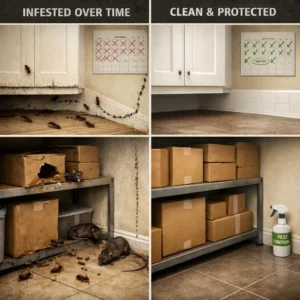
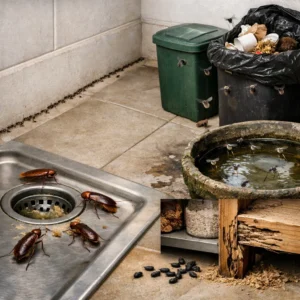
Many pests are considered “silent threats.” Termites, for example, can remain hidden inside walls, floors, or wooden structures for years while causing serious damage. Rodents may nest inside ceilings or crawlspaces without being seen. Even insects like cockroaches and ants often move through hidden pathways such as drains, wall voids, and service ducts.
A professional pest inspection focuses on these hidden risks rather than just surface-level signs. It looks for evidence of activity, damage patterns, entry points, moisture sources, and environmental conditions that attract pests.
Why pest inspections matter even when pests are not visible
One of the most common misconceptions is that a pest inspection is only necessary when pests are clearly visible. In reality, inspections are often most valuable when there are no obvious signs.
Understanding what is pest inspection helps explain why it is important in situations such as:
- Before buying or selling a property
- During routine property maintenance
- When a building is older or has undergone renovations
- After water leaks, flooding, or moisture issues
- In businesses that must meet hygiene or compliance standards
Early detection allows problems to be addressed before they become costly repairs. For buyers, an inspection provides insight into potential risks that may not appear during a standard viewing. For businesses, it helps prevent disruptions, compliance issues, and reputational damage.
Who should consider a pest inspection
Pest inspections are useful for a wide range of property stakeholders, not just homeowners dealing with infestations.
Homeowners
For homeowners, a pest inspection helps protect the structure and long-term value of the property. It can identify issues such as termite damage, rodent activity, or conditions that attract pests before they escalate.
Property buyers
Buyers often ask what is pest inspection because they want to avoid unexpected repair costs after purchase. An inspection provides transparency about the property’s condition, especially regarding wood-destroying organisms.
Property sellers
Sellers can use pest inspections to address issues proactively, reduce negotiation risks, and demonstrate transparency.
Businesses and commercial property managers
Restaurants, offices, warehouses, hotels, schools, and healthcare facilities rely on pest inspections to maintain hygiene standards, protect inventory, and meet regulatory requirements.
The general pest inspection process
While the exact process can vary depending on the property type and pest risks, a professional pest inspection typically follows a structured approach.
Exterior inspection
The inspection often begins outside the property. This includes examining:
- Building foundations and exterior walls
- Cracks, gaps, and expansion joints
- Wooden structures such as fences or decks
- Drainage systems and water runoff areas
- Landscaping and soil-to-structure contact
Exterior conditions often reveal entry points and moisture sources that attract pests.
Interior inspection
Inside the property, inspectors focus on common pest hotspots such as:
- Kitchens and food storage areas
- Bathrooms and laundry rooms
- Basements or storage spaces
- Utility rooms and service areas
Signs such as droppings, grease marks, damaged materials, or unusual odors may indicate pest activity.
Attics, crawlspaces, and hidden areas
Many serious pest issues originate in areas that are rarely accessed. Attics, crawlspaces, ceiling voids, and wall cavities are common nesting or movement zones for pests.
Inspectors look for:
- Rodent nesting materials
- Termite mud tubes or damaged wood
- Insect activity near insulation
- Moisture buildup or leaks
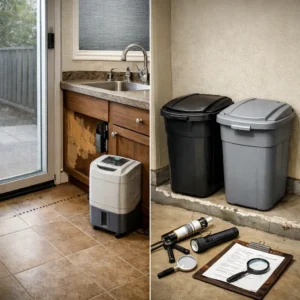
Moisture and environmental checks
Moisture is a key factor in pest activity. Pest inspections often include checking for leaks, condensation, poor ventilation, or drainage issues that create favorable conditions for pests and mold.
How pest inspections differ from general home inspections
Many people confuse pest inspections with general home inspections, but they serve different purposes.
A general home inspection typically focuses on:
- Structural integrity
- Electrical systems
- Plumbing and HVAC
- Visible defects or safety concerns
In contrast, understanding what is pest inspection highlights its specialized focus. Pest inspections concentrate specifically on biological threats such as insects, rodents, and wood-destroying organisms.
Pest inspectors are trained to identify subtle signs of infestation, damage patterns, and environmental conditions that general inspectors may not evaluate in detail.
Focus on wood-destroying organisms
One of the most critical aspects of a pest inspection is the evaluation of wood-destroying organisms, particularly termites.
Termites can cause extensive structural damage while remaining hidden for long periods. Pest inspections look for:
- Hollow or damaged wood
- Discoloration or blistering surfaces
- Mud tubes or shelter tunnels
- Past repair signs that may indicate previous activity
This focus is especially important for buyers, lenders, and insurers who want to assess structural risk.
What a pest inspection report typically includes
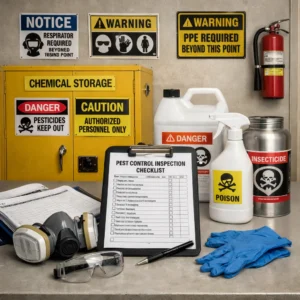
A professional pest inspection concludes with a detailed report. Understanding what is pest inspection also means knowing how to read and use this report.
A typical pest inspection report includes:
- Identification of active infestations
- Evidence of past pest activity or damage
- Areas that could not be accessed during inspection
- Conditions that attract or support pests
- Recommendations for treatment or prevention
The report provides a snapshot of pest-related risks at the time of inspection, helping owners or buyers make informed decisions.
Compliance and documentation needs
For businesses and certain property transactions, pest inspection reports may be required for compliance or documentation purposes.
These reports help demonstrate that reasonable steps have been taken to manage pest risks, which is especially important in regulated industries such as food service, hospitality, healthcare, and education.
Inspection pricing in general terms
Many people asking what is pest inspection also want to understand cost. Pest inspection pricing varies depending on factors such as property size, inspection scope, accessibility, and regional standards.
In general terms, inspection costs are relatively modest compared to treatment or repair expenses. Pricing may differ between residential and commercial properties and may increase if specialized equipment or extended access is required.
Some inspections are offered as standalone services, while others are included as part of a broader pest control plan.
Cost versus value: why inspections save money long term
From a value perspective, pest inspections are an investment rather than an expense. Early detection of issues such as termite activity, moisture problems, or rodent nesting can prevent far more expensive repairs later.
For example:
- Repairing structural termite damage can cost significantly more than inspection and early treatment
- Replacing contaminated insulation due to rodents is far more expensive than early detection
- Business downtime due to pest-related closures can exceed inspection costs many times over
Understanding what is pest inspection helps clarify why proactive inspections are often the most cost-effective approach.
When a pest inspection is especially recommended
A pest inspection is particularly important in situations such as:
- Before finalizing a property purchase
- After long periods of vacancy
- Following water damage or leaks
- When planning renovations or extensions
- As part of routine maintenance for businesses
In these cases, inspections help reduce uncertainty and prevent unexpected issues.
A practical next step after understanding what is pest inspection
Knowing what is pest inspection is only the first step. The real value comes from acting on the findings and addressing risks before they escalate.
Professional pest inspection services provide clarity, documentation, and expert guidance tailored to the specific property. Whether the goal is prevention, compliance, or preparation for a transaction, inspections help protect structures, occupants, and long-term value.
Conclusion
What is pest inspection goes far beyond checking for visible insects. It is a structured process designed to uncover hidden threats, assess risk, and support informed decisions. By understanding the inspection process, its purpose, and its long-term value, property owners, buyers, and businesses can take proactive steps to protect their investments and avoid costly surprises later.